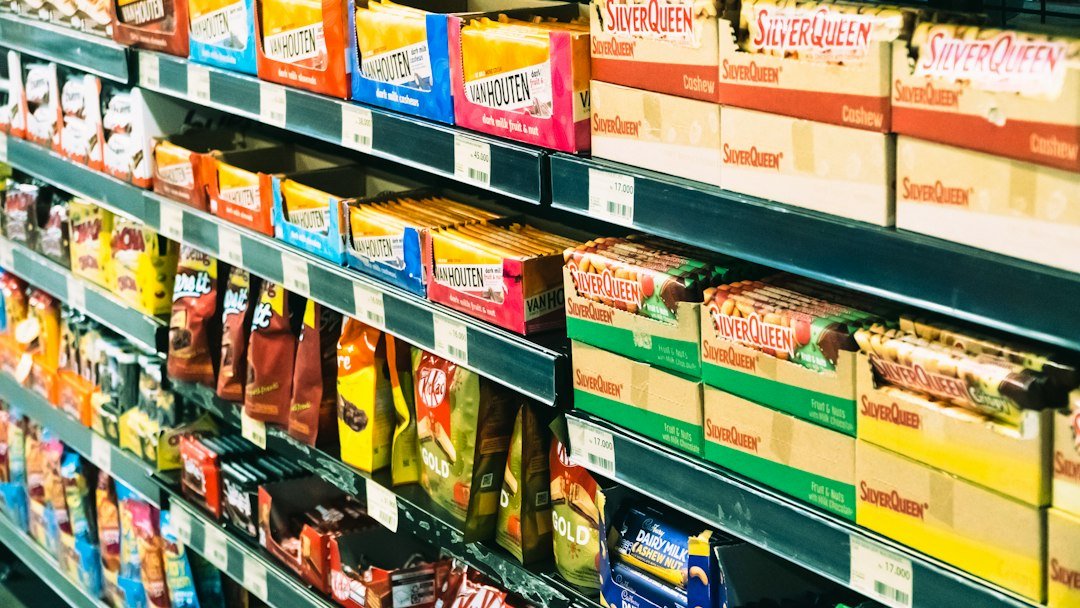
You step off the subway in Seoul, it’s 10 p.m., and a glowing CU or GS25 sign beckons from across the street. Inside: rows of triangle-shaped rice snacks, self-serve ramen stations steaming away, golden corn dogs rotating under a heat lamp, and a fridge wall lined with pastel-colored drinks. This is the world of Korean convenience store snacks — and for most travelers, it becomes one of the most memorable parts of their trip.
After every trip to Korea, the number one thing many visitors talk about isn’t temples or palaces — it’s the snacks. That’s not a coincidence. Foreign customer sales at major chains like GS25 have surged year-on-year, driven largely by food and drink purchases, and CU has reported triple-digit growth in foreign transactions, fueled by global interest in Korean convenience food culture. These stores aren’t just pit stops — they’re cultural touchpoints.
The Classics You’ll See Everywhere: Korean Convenience Store Snacks 101
Walk into any CU, GS25, or 7-Eleven in Korea and certain items are virtually guaranteed to be there. These are the snacks that locals reach for instinctively and travelers quickly become obsessed with.
Samgak-gimbap (삼각김밥), or triangle kimbap, is probably the most iconic Korean convenience store item. It’s a triangular rice ball wrapped in seaweed, filled with ingredients like tuna mayo, bulgogi (marinated beef), kimchi, or spicy pork. The genius is in the packaging: a layered wrapper keeps the seaweed crisp until you’re ready to eat, and you peel it off in three pull-tab steps. If it’s your first time, look for the numbered arrows on the wrapper — they make the process surprisingly satisfying once you get it right.
Banana milk is another staple that surprises first-timers with how good it actually is. Sold in a distinctive chubby bottle, it’s a sweet, lightly flavored milk drink that’s been a beloved part of Korean daily life for decades. It doesn’t taste artificial — think of it as a very gentle, creamy banana flavor. It pairs beautifully with almost anything savory from the same store.
- Samgak-gimbap — triangular seaweed rice balls in a variety of savory fillings
- Banana milk — iconic chubby-bottle sweet milk drink, a Korean classic
- Choco snacks — chocolate-dipped biscuit sticks, chocolate pies, and cookie-based sweets in endless seasonal varieties
- Flavored chips — sweet-and-savory combinations like honey butter, onion, and various spicy flavors dominate the chip aisle
- Canned and bottled coffee — a refrigerated wall of ready-to-drink coffee options, from sweet milk coffee to unsweetened Americano
The chip and chocolate snack sections rotate frequently with limited-edition and seasonal flavors, so what you see today might not be there next month. That’s part of the fun — browsing the snack wall is always a small adventure.
Hot Food You Actually Eat In-Store
Korean convenience stores are not just for packaged snacks. They’re full-on meal destinations, and the hot food section is where things get really interesting for travelers used to the grab-and-go model of convenience stores back home.
The self-serve instant ramen station is a rite of passage. You pick a cup or bowl of ramyeon (Korean instant noodles) from the shelf — there are always multiple spice levels and flavor types — and use the hot water dispenser mounted on a machine near the register to fill it. Wait a few minutes, add the seasoning packet, and you have a steaming bowl of noodles for a very small amount of money. Many stores have chopsticks and utensil dispensers right next to the machine.
Korean corn dogs (hotteok-style or regular battered sausage on a stick) are another hot item you’ll often spot rotating in a glass warmer near the register. These are different from American corn dogs — the batter tends to be thicker and chewier, sometimes coated in panko crumbs or even sugar for a sweet-savory contrast. Grab one on your way out and eat it while walking.
- Cup ramyeon at the hot water station — choose your noodle, fill with hot water, season, and eat at the in-store table
- Corn dogs — thick-battered, chewy, sometimes sugar-dusted; a very Korean spin on the classic
- Ready-made dosirak (lunchboxes) — rice with side dishes like kimchi and fish, microwaveable in about 90 seconds
- Steamed buns and dumplings — kept warm in a steamer unit; fillings range from red bean paste to pork and kimchi
- Microwaveable rice bowls and pasta — grab from the refrigerated section, heat in the in-store microwave, eat at a table
Almost every Korean convenience store has a microwave near the register that customers are welcome to use for any refrigerated item they purchase. Ask the cashier or just point at the food and then the microwave — they’ll understand immediately. Many stores also have small tables and stools, either inside or just outside the door, where eating in is completely normal and expected.
How to Eat Like a Local at a Korean Convenience Store
There’s a whole unspoken rhythm to convenience store eating in Korea that’s worth knowing before your first visit. Picture yourself sitting by the Han River, banana milk in one hand, a steaming cup of ramyeon in the other — that’s not some fantasy, it’s a typical Tuesday night for a lot of Koreans. The culture around convenience store meals is casual, communal, and completely judgment-free.
Here are a few practical things that will make your experience smoother:
- Utensils are free — chopsticks, forks, and spoons are usually at a self-serve station near the register or hot food area
- Condiment packets — soy sauce, ketchup, and mustard packets are often available at no extra cost near the hot food section
- The microwave is for customers — you’re not imposing by using it; just heat and enjoy
- Sitting in is encouraged — in-store or outdoor tables exist specifically for this purpose; linger as long as you like
- Pay attention to the wrapper on samgak-gimbap — numbered pull tabs (1, 2, 3) keep the seaweed crunchy; pull them in order
One category that often surprises travelers is the ready-made lunchbox (dosirak). Some stores collaborate with well-known chefs and food personalities to create dosirak-style meals featuring rice, meat or fish, and traditional side dishes like kimchi — designed to feel home-cooked but ready in minutes. For a real meal at a fraction of restaurant prices, these are worth grabbing.
A Quick Reference: What to Grab and Why
If you’re short on time or feeling overwhelmed by the options, use this as your starting point. These are the categories most worth exploring on a first visit to any Korean convenience store.
| Category | What It Is | Best For |
|---|---|---|
| Samgak-gimbap | Triangular seaweed rice ball with savory fillings | Quick, filling snack or light meal |
| Cup ramyeon | Instant noodles made at the in-store hot water station | Warm, budget-friendly meal any time of day |
| Banana milk | Sweet banana-flavored milk in a signature chubby bottle | A classic Korean drink experience, pairs with anything |
| Corn dog | Thick-battered sausage or cheese on a stick, often panko-coated | Hot, satisfying street-food-style snack on the go |
| Flavored chips | Sweet-savory Korean chip varieties (honey butter, spicy, onion, etc.) | Snacking and souvenirs — they travel well |
| Dosirak (lunchbox) | Microwaveable rice-and-side-dish lunchbox | A proper, balanced meal without finding a restaurant |
| Choco snacks | Chocolate pies, biscuit sticks, and seasonal chocolate treats | Sweet cravings and easy gifts to bring home |
Korean convenience stores reward curiosity. The best strategy is simply to pick one new item each visit and build from there — most things cost very little, so experimenting carries almost no risk. By day three of your trip, you’ll have your own personal ranking and a few firm favorites. If you’re also exploring Korean culture beyond the convenience store, our Beginner’s Guide to the Korean Skincare Routine is another great entry point into everyday Korean life and what locals actually use and love.
Photo by Ishaq Robin on Unsplash
Leave a Reply