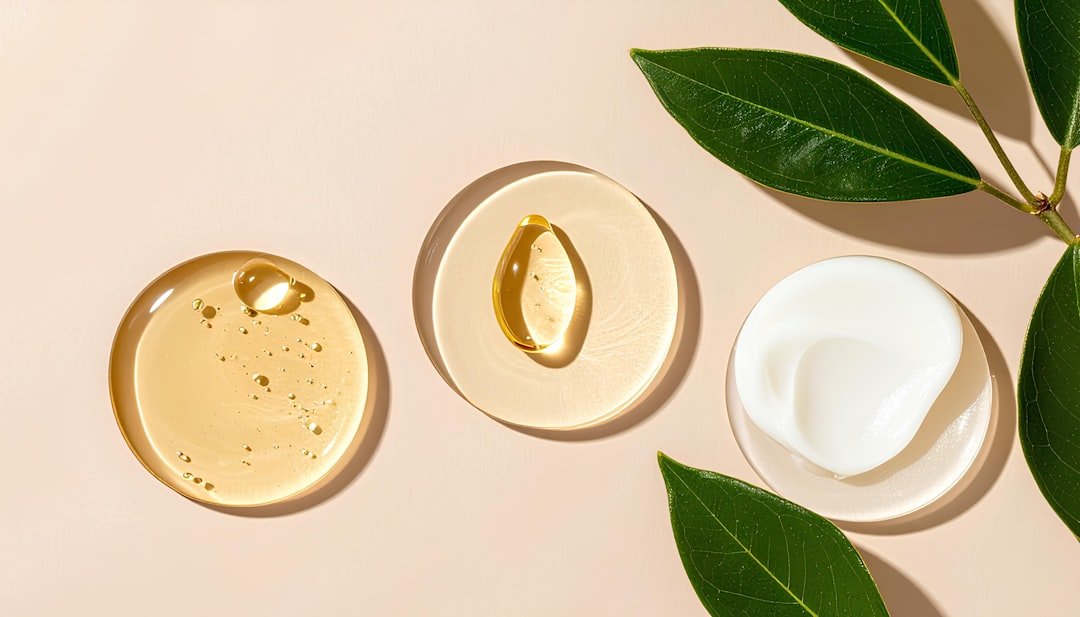
Starting a Korean skincare routine doesn’t mean you need 10 different products. If you’re new to K-beauty, the best place to begin is with a gentle cleanser, moisturizer, and sunscreen.
The most important thing is knowing which products to use, in what order, and which steps are actually necessary.
This beginner’s guide explains a simple Korean skincare routine for morning and night, how to layer optional products, and what Korean sunscreen labels mean.
1. Korean Skincare Routine Order: Morning vs. Night
A basic Korean skincare routine can be simple. You don’t need a toner, essence, and serum every day to take care of your skin.
| Step | Morning (AM) | Evening (PM) |
|---|---|---|
| 1 | Gentle cleanser or water rinse | Cleanser; remove makeup first if needed |
| 2 | Toner or serum (optional) | Toner or serum (optional) |
| 3 | Moisturizer | Moisturizer |
| 4 | Sunscreen SPF 30+ | No sunscreen needed |
Morning: Cleanse → Moisturize → Sunscreen
Evening: Remove makeup if needed → Cleanse → Moisturize
These are the essential steps for beginners. Additional products can be introduced gradually based on your skin’s needs.
Morning Korean Skincare Routine
Step 1. Cleanse gently
Use a mild facial cleanser to remove oil and impurities. Some people with dry or sensitive skin may prefer rinsing with water in the morning.
Step 2. Apply moisturizer
Choose a moisturizer that suits your skin type. Lightweight lotions may feel more comfortable on oily skin, while richer creams can help dry skin retain moisture.
Step 3. Apply sunscreen
Finish with a broad-spectrum sunscreen with SPF 30 or higher.
Apply it generously before sun exposure and reapply approximately every two hours when outdoors, or after swimming or sweating.
Night Korean Skincare Routine
Step 1. Remove makeup and cleanse
If you wear heavy makeup or water-resistant sunscreen, you may benefit from using a makeup remover before a gentle cleanser.
Step 2. Apply an optional treatment
A hydrating toner or serum can be added if your skin needs it. Follow the product instructions, especially when using active ingredients.
Step 3. Moisturize
Finish with a moisturizer to help prevent moisture loss overnight.
You don’t need to use every available skincare product to build an effective routine.
2. How to Layer Korean Skincare Products
One of the most common beginner questions is how to layer Korean skincare products correctly.
A typical order is:
Cleanser → Toner → Essence → Serum → Moisturizer → Sunscreen (AM only)
However, toner, essence, and serum are optional.
- Toner: Often provides lightweight hydration after cleansing.
- Essence: Usually has a lightweight texture and may contain moisturizing ingredients.
- Serum: Often focuses on specific skincare concerns, depending on its ingredients.
- Moisturizer: Helps retain moisture and maintain skin comfort.
- Sunscreen: Provides daytime protection against UV radiation.
A common approach is to apply lighter products before heavier creams, but the manufacturer’s instructions should take priority.
There is also no universal rule requiring you to wait a specific number of seconds between skincare layers.
Beginner tip: Introduce one new product at a time so it’s easier to recognize irritation or determine whether a product suits your skin.
3. Do You Need the Korean 10-Step Skincare Routine?
The famous Korean 10-step skincare routine is popular, but it isn’t a requirement.
Using more products does not automatically produce better results.
For most beginners, three product categories are enough to build a foundation:
- Gentle cleanser — removes oil, dirt, and impurities.
- Moisturizer — helps reduce moisture loss.
- Sunscreen — helps protect skin from UV exposure during the day.
You can add an essence, serum, or other treatment later if you have a specific skincare concern.
The American Academy of Dermatology also recommends keeping skincare routines practical and avoiding unnecessary products that may irritate the skin.
4. Korean Skincare Routine by Skin Type
The best Korean skincare routine depends on your skin’s needs, not the number of steps.
Dry Skin
Dry skin may feel tight, flaky, or rough.
Choose a gentle cleanser and a moisturizer that helps retain moisture. Richer creams may be more comfortable during cold or dry weather.
Oily Skin
Oily skin often appears shiny, particularly around the forehead, nose, and chin.
A lightweight moisturizer and gentle cleanser can be useful. Avoid harsh cleansing or skipping moisturizer simply because your skin produces oil.
Sensitive Skin
Sensitive skin may sting, burn, or become irritated after using certain products.
Keep your routine simple, consider fragrance-free products, and introduce new skincare items gradually.
Combination Skin
Combination skin includes both oily and dry areas.
A lightweight moisturizer may suit oilier areas, while drier areas may benefit from a richer formula.
5. Korean Sunscreen Labels: What Do SPF50+ and PA++++ Mean?
If you’re shopping for Korean skincare products, you’ll often see sunscreen labels such as SPF50+ PA++++.
SPF and PA refer to different aspects of sun protection.
| Label | Meaning |
|---|---|
| SPF | Indicates protection against UVB-related sunburn |
| PA | Indicates the level of UVA protection |
| PA+ to PA++++ | Higher grades indicate greater UVA protection |
| SPF50+ PA++++ | Combines an SPF rating with a high UVA protection grade |
SPF50+ does not mean that sunscreen blocks all UV radiation or provides all-day protection.
South Korea’s Ministry of Food and Drug Safety (MFDS) provides guidance on proper sunscreen use, including applying an adequate amount and reapplying during prolonged outdoor activity.
For daily skincare, choose broad-spectrum SPF 30 or higher and use it correctly.
6. Korean Skincare Terms Beginners Should Know
Korean product packaging often uses terms that may be unfamiliar to international shoppers.
| Korean | English Meaning |
|---|---|
| 수분크림 | Moisturizing cream |
| 토너 | Toner |
| 에센스 | Essence |
| 세럼 | Serum |
| 클렌징오일 | Cleansing oil |
| 자외선차단제 | Sunscreen |
| 약산성 | Mildly acidic |
| 민감성 피부 | Sensitive skin |
| 지성 피부 | Oily skin |
| 건성 피부 | Dry skin |
Understanding these terms can make shopping at Korean beauty stores, including Olive Young, easier.
However, a product labeled 약산성 (mildly acidic) isn’t automatically suitable for sensitive skin. Check the ingredients and product directions before purchasing.
7. Common Korean Skincare Mistakes to Avoid
Even a simple skincare routine can cause problems if products are used incorrectly.
Using too many products at once
Adding several products simultaneously makes it difficult to identify which one causes irritation.
Double cleansing when it isn’t necessary
Double cleansing may help remove heavy makeup or water-resistant sunscreen, but not everyone needs two cleansers every night.
Skipping moisturizer because you have oily skin
Oily skin still needs appropriate moisturizing care.
Applying sunscreen only once during long outdoor activities
Sunscreen should be reapplied according to the product directions, particularly during prolonged outdoor exposure.
Following trends instead of your skin’s needs
Popular Korean products aren’t automatically right for everyone. Ingredients, skin tolerance, and consistent use matter more.
Frequently Asked Questions
What is the correct Korean skincare routine order?
For beginners, the basic morning order is cleanser, moisturizer, and sunscreen. At night, cleanse and moisturize. Optional treatments generally fit between cleansing and moisturizing, depending on product instructions.
How many skincare steps do beginners need?
A simple routine can start with three product categories: cleanser, moisturizer, and daytime sunscreen.
Do I need toner and essence?
No. Toners and essences are optional products. You can add them depending on your skin’s needs and preferences.
Is double cleansing necessary every night?
Not necessarily. Double cleansing may help remove heavy makeup or water-resistant sunscreen, but a single gentle cleanser may be sufficient for some people.
Is Korean skincare better than Western skincare?
Neither is automatically better. The right ingredients, suitability for your skin, and consistent use are more important than where a product is made.
Final Thoughts
A Korean skincare routine for beginners doesn’t have to be complicated or expensive.
Start with gentle cleansing, moisturizing, and daytime sun protection. Once your basic routine works for you, add optional products gradually.
Understanding the correct order, choosing products for your skin type, and reading sunscreen labels can help you build a practical routine without unnecessary steps.
Sources
- American Academy of Dermatology — Skin Care on a Budget
- American Academy of Dermatology — Applying Skincare Products in the Correct Order
- American Academy of Dermatology — Understanding Sunscreen Labels
- South Korea Ministry of Food and Drug Safety — Sunscreen Guidance
This article provides general skincare information and is not a substitute for professional medical advice.
Leave a Reply