Category: Beauty & Shopping

  • Korea Tax Refund for Tourists: What the 15,000, 1,000,000 and 5,000,000 Won Limits Mean

    Korea Tax Refund for Tourists: What the 15,000, 1,000,000 and 5,000,000 Won Limits Mean

    You’re standing at the register with a basket full of sunscreen and sheet masks. A cashier asks whether you want a tax refund, and the process involves your passport and sometimes the airport. If you’ve ever felt lost in that moment, you’re not alone. The Korea tax refund system has real limits attached to specific won amounts, and knowing what they mean before you shop saves you time at checkout and at the airport.

    This isn’t a store-by-store guide. If you want store-level shopping tips for a popular beauty chain, our Olive Young shopping guide covers that separately. Here, we’re focused on the numbers and the routes.

    The Basics of a Korea Tax Refund

    Foreign tourists can get the value-added tax (VAT) refunded on qualifying purchases made at participating Tax Free stores. The minimum purchase is 15,000 won per receipt. This is a change worth noting: the threshold was lowered from 30,000 won, so if you come across an older travel guide that still says 30,000 won, that information is outdated.

    A few conditions apply no matter which refund route you use:

    • Goods must be new, unopened, and unused when you leave the country.
    • You must take the items out of Korea within three months of the purchase date.
    • A physical passport is required at the store. A photo of your passport is often not accepted.
    • Long-term residents generally do not qualify for tourist tax refunds, so check with the store or customs if your status is unclear.

    Three Routes for Your Korea Tax Refund

    Once your purchase qualifies, you choose how to actually receive the money. There are three routes, and each one has its own purchase limit.

    Route Where Purchase limit What to know
    Immediate refund (in store) At the checkout counter 15,000 won minimum, under 1,000,000 won per payment; 5,000,000 won total per trip Tax is deducted on the spot. A payment of exactly 1,000,000 won does not qualify.
    Airport or port refund Refund kiosk or counter at departure No limit during the stay Used for purchases of 1,000,000 won or more, or for stores without immediate refund. All companies are accepted here.
    Downtown refund booth City refund counters before your flight Up to 6,000,000 won per receipt Only handles its own company’s refunds. You still need to report at the airport customs counter on departure.

    Notice that the airport route has no stay-long purchase cap, which is why it’s the fallback for bigger spending. The downtown option lets you take the refund before your flight, but you still report at the airport.

    How to Choose the Right Korea Tax Refund Route

    With three options on the table, picking one is mostly about your receipt amount and what the store offers.

    • Small and medium purchases at a store offering immediate refund: take it at checkout, it’s the simplest option.
    • A single payment of 1,000,000 won or more: use the airport or port route instead.
    • Store doesn’t offer immediate refund: ask for the refund receipt and claim the amount at the airport before you fly out.

    If you plan to use the airport route, build in extra time. Customs needs to confirm the goods are actually leaving Korea, so complete your refund step before checking your bags, and keep the purchased items accessible for inspection. Some travel guides suggest adding roughly 30 to 60 minutes on top of your normal airport buffer, which is a reasonable cushion rather than a fixed rule.

    Don’t Expect the Full 10 Percent Back

    Here’s where expectations often go wrong. The VAT rate itself is 10 percent, but the amount you actually receive through a Korea tax refund is lower than that full rate.

    The refund is less than the full VAT, and different sources report different effective rates. Rather than promising a specific number, the safer approach is simply this: budget for a partial refund, not a full 10 percent return on your receipt total.

    Common Mistakes That Cost Tourists Their Refund

    Common problems include the following. Keep these in mind while you shop and pack:

    • Opening or using the item before you leave Korea — refund eligibility requires it to stay unused.
    • Forgetting the three-month window between purchase and departure.
    • Assuming a payment of exactly 1,000,000 won qualifies for the in-store immediate refund (it doesn’t — the limit is strictly under that amount).
    • Showing up without a physical passport, since photos are often not accepted at the counter.
    • Arriving at the airport without extra time for the customs confirmation and kiosk steps.

    None of these mistakes are complicated to avoid once you know they exist.

    Tax refund rules and purchase limits can change over time, and this guide reflects the structure as it currently stands. Before your trip, it’s worth checking the current VisitKorea tax refund guidance, or asking the store or customs directly, just to confirm nothing has shifted since you last read about it.

    Photo by Jonathan Phillips on Unsplash
  • A First-Timer’s Guide to Shopping at Olive Young in Korea (Tax Refund Included)

    A First-Timer’s Guide to Shopping at Olive Young in Korea (Tax Refund Included)

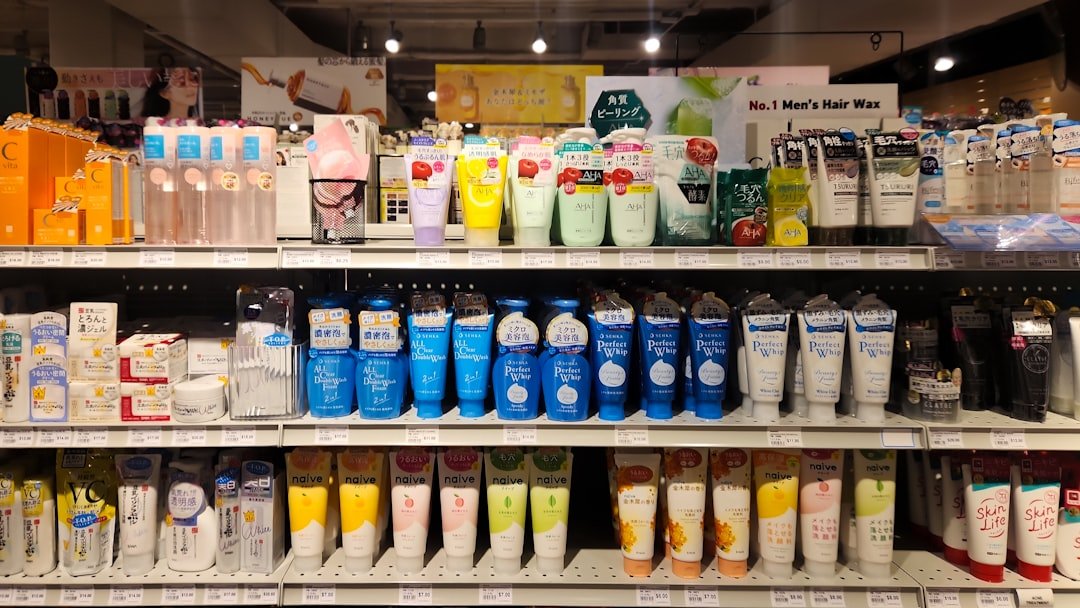
    You just landed in Seoul, and someone already told you to hit Olive Young before you unpack. Shopping at Olive Young has become a near-mandatory stop for visitors to Korea, and once you see the shelves, it’s easy to understand why.

    The stores are everywhere, the products are endless, and the staff are used to tourists with questions. But walking in without a plan can turn into an hour of wandering, unsure what’s worth grabbing or how the tax refund actually works.

    Here’s the practical rundown: what the store actually is, how the tax refund process works, and a few tips that make the first visit less overwhelming.

    What Is Olive Young, Exactly?

    Olive Young is a large Korean chain that sells skincare, makeup, body care, and health products all under one roof. Think of it as a cross between a drugstore and a beauty department store.

    What makes it interesting for beauty fans is the mix of brands. Alongside familiar names, you’ll find shelves full of smaller Korean indie brands, some of which can be hard to find outside Korea.

    • Skincare: cleansers, toners, serums, masks, sunscreen
    • Makeup: base products, color cosmetics, tools
    • Body and hair care items
    • Health and wellness products like vitamins and supplements
    • Small seasonal or limited sections near the entrance

    If you’re new to the logic behind Korean skincare products, it helps to understand the basic routine before you start filling a basket. This Beginner’s Guide to the Korean Skincare Routine breaks down the steps and the reasoning behind them, so you know what you’re actually looking for.

    Tax Refund Basics When Shopping at Olive Young

    Tax refunds are a popular perk for international visitors shopping at Olive Young. Eligible tourists can get the value-added tax refunded on qualifying purchases, which can add up if you’re buying a lot.

    There are two common ways this works in Korean stores. Both are widely used, but not every store offers both options.

    Method How It Works
    Immediate refund Tax is deducted directly at the checkout counter, so you pay a lower price on the spot.
    Post-purchase refund You request a Tax Free receipt, then claim the refund later at the airport or a refund kiosk.

    A few conditions apply no matter which method you use. Keep these in mind before you shop.

    • You must present your original physical passport. A photo of your passport is often refused.
    • Items generally need to stay unused and unopened to qualify for a refund.
    • Purchases should be made within roughly three months of your departure date.
    • Long-term residents or people earning local income may not qualify at all.
    • A minimum purchase amount usually applies, but the exact figure can vary. Ask the store staff to confirm the current minimum before you check out.

    Not Every Olive Young Store Offers Tax Refunds

    This part surprises a lot of first-timers. Tax refund service isn’t automatic just because you’re in a big chain store.

    Only participating stores offer it, and it usually comes down to location and size. Large branches in busy tourist districts like Myeongdong, Hongdae, and Gangnam commonly support tax refunds, while small neighborhood locations sometimes don’t.

    • Look for a Tax Refund or Tax Free sign near the entrance or checkout.
    • If you don’t see one, just ask a staff member before you pay.
    • Tourist-area branches often have staff who speak some English, Chinese, or Japanese, which makes this easier.
    • If a store doesn’t offer refunds, a larger branch in a tourist district may.

    One more thing worth remembering: tax refund rules can change over time. Check the current rules with the store staff or the official refund operator shortly before your trip, rather than relying on older information you find online.

    Smart Shopping Tips for First-Time Visitors

    Once the tax refund logistics are sorted, the fun part is actually browsing. A few habits make the experience smoother, especially if it’s your first time in a Korean beauty store.

    • Many products have testers available, so use them before committing to a purchase.
    • Compare a few similar products side by side instead of buying everything you see on your first pass.
    • Ask staff for recommendations based on your skin type or concern. especially at tourist-area branches.
    • Keep your receipt and any Tax Free documents together until you’ve completed the refund process.
    • If you’re visiting multiple locations, Promotions can change from time to time, so check what’s on offer at the store you visit.

    Shopping at Olive Young works best when you treat it as a browsing experience first and a shopping trip second. Take your time, read labels, and don’t feel pressured to fill your basket in one visit.

    If you’re building a full Korea itinerary around beauty and lifestyle stops, it’s worth pairing this with other cultural experiences too, like understanding jjimjilbang etiquette before your first Korean sauna visit. Beauty culture in Korea extends well beyond the store shelves.

    Photo by Zoshua Colah on Unsplash

  • Korean Skincare Routine for Beginners: Simple AM & PM Steps

    Korean Skincare Routine for Beginners: Simple AM & PM Steps

    Starting a Korean skincare routine doesn’t mean you need 10 different products. If you’re new to K-beauty, the best place to begin is with a gentle cleanser, moisturizer, and sunscreen.

    The most important thing is knowing which products to use, in what order, and which steps are actually necessary.

    This beginner’s guide explains a simple Korean skincare routine for morning and night, how to layer optional products, and what Korean sunscreen labels mean.

    1. Korean Skincare Routine Order: Morning vs. Night

    A basic Korean skincare routine can be simple. You don’t need a toner, essence, and serum every day to take care of your skin.

    StepMorning (AM)Evening (PM)
    1Gentle cleanser or water rinseCleanser; remove makeup first if needed
    2Toner or serum (optional)Toner or serum (optional)
    3MoisturizerMoisturizer
    4Sunscreen SPF 30+No sunscreen needed

    Morning: Cleanse → Moisturize → Sunscreen

    Evening: Remove makeup if needed → Cleanse → Moisturize

    These are the essential steps for beginners. Additional products can be introduced gradually based on your skin’s needs.

    Morning Korean Skincare Routine

    Step 1. Cleanse gently

    Use a mild facial cleanser to remove oil and impurities. Some people with dry or sensitive skin may prefer rinsing with water in the morning.

    Step 2. Apply moisturizer

    Choose a moisturizer that suits your skin type. Lightweight lotions may feel more comfortable on oily skin, while richer creams can help dry skin retain moisture.

    Step 3. Apply sunscreen

    Finish with a broad-spectrum sunscreen with SPF 30 or higher.

    Apply it generously before sun exposure and reapply approximately every two hours when outdoors, or after swimming or sweating.

    Night Korean Skincare Routine

    Step 1. Remove makeup and cleanse

    If you wear heavy makeup or water-resistant sunscreen, you may benefit from using a makeup remover before a gentle cleanser.

    Step 2. Apply an optional treatment

    A hydrating toner or serum can be added if your skin needs it. Follow the product instructions, especially when using active ingredients.

    Step 3. Moisturize

    Finish with a moisturizer to help prevent moisture loss overnight.

    You don’t need to use every available skincare product to build an effective routine.

    2. How to Layer Korean Skincare Products

    One of the most common beginner questions is how to layer Korean skincare products correctly.

    A typical order is:

    Cleanser → Toner → Essence → Serum → Moisturizer → Sunscreen (AM only)

    However, toner, essence, and serum are optional.

    • Toner: Often provides lightweight hydration after cleansing.
    • Essence: Usually has a lightweight texture and may contain moisturizing ingredients.
    • Serum: Often focuses on specific skincare concerns, depending on its ingredients.
    • Moisturizer: Helps retain moisture and maintain skin comfort.
    • Sunscreen: Provides daytime protection against UV radiation.

    A common approach is to apply lighter products before heavier creams, but the manufacturer’s instructions should take priority.

    There is also no universal rule requiring you to wait a specific number of seconds between skincare layers.

    Beginner tip: Introduce one new product at a time so it’s easier to recognize irritation or determine whether a product suits your skin.

    3. Do You Need the Korean 10-Step Skincare Routine?

    The famous Korean 10-step skincare routine is popular, but it isn’t a requirement.

    Using more products does not automatically produce better results.

    For most beginners, three product categories are enough to build a foundation:

    1. Gentle cleanser — removes oil, dirt, and impurities.
    2. Moisturizer — helps reduce moisture loss.
    3. Sunscreen — helps protect skin from UV exposure during the day.

    You can add an essence, serum, or other treatment later if you have a specific skincare concern.

    The American Academy of Dermatology also recommends keeping skincare routines practical and avoiding unnecessary products that may irritate the skin.

    4. Korean Skincare Routine by Skin Type

    The best Korean skincare routine depends on your skin’s needs, not the number of steps.

    Dry Skin

    Dry skin may feel tight, flaky, or rough.

    Choose a gentle cleanser and a moisturizer that helps retain moisture. Richer creams may be more comfortable during cold or dry weather.

    Oily Skin

    Oily skin often appears shiny, particularly around the forehead, nose, and chin.

    A lightweight moisturizer and gentle cleanser can be useful. Avoid harsh cleansing or skipping moisturizer simply because your skin produces oil.

    Sensitive Skin

    Sensitive skin may sting, burn, or become irritated after using certain products.

    Keep your routine simple, consider fragrance-free products, and introduce new skincare items gradually.

    Combination Skin

    Combination skin includes both oily and dry areas.

    A lightweight moisturizer may suit oilier areas, while drier areas may benefit from a richer formula.

    5. Korean Sunscreen Labels: What Do SPF50+ and PA++++ Mean?

    If you’re shopping for Korean skincare products, you’ll often see sunscreen labels such as SPF50+ PA++++.

    SPF and PA refer to different aspects of sun protection.

    LabelMeaning
    SPFIndicates protection against UVB-related sunburn
    PAIndicates the level of UVA protection
    PA+ to PA++++Higher grades indicate greater UVA protection
    SPF50+ PA++++Combines an SPF rating with a high UVA protection grade

    SPF50+ does not mean that sunscreen blocks all UV radiation or provides all-day protection.

    South Korea’s Ministry of Food and Drug Safety (MFDS) provides guidance on proper sunscreen use, including applying an adequate amount and reapplying during prolonged outdoor activity.

    For daily skincare, choose broad-spectrum SPF 30 or higher and use it correctly.

    6. Korean Skincare Terms Beginners Should Know

    Korean product packaging often uses terms that may be unfamiliar to international shoppers.

    KoreanEnglish Meaning
    수분크림Moisturizing cream
    토너Toner
    에센스Essence
    세럼Serum
    클렌징오일Cleansing oil
    자외선차단제Sunscreen
    약산성Mildly acidic
    민감성 피부Sensitive skin
    지성 피부Oily skin
    건성 피부Dry skin

    Understanding these terms can make shopping at Korean beauty stores, including Olive Young, easier.

    However, a product labeled 약산성 (mildly acidic) isn’t automatically suitable for sensitive skin. Check the ingredients and product directions before purchasing.

    7. Common Korean Skincare Mistakes to Avoid

    Even a simple skincare routine can cause problems if products are used incorrectly.

    Using too many products at once

    Adding several products simultaneously makes it difficult to identify which one causes irritation.

    Double cleansing when it isn’t necessary

    Double cleansing may help remove heavy makeup or water-resistant sunscreen, but not everyone needs two cleansers every night.

    Skipping moisturizer because you have oily skin

    Oily skin still needs appropriate moisturizing care.

    Applying sunscreen only once during long outdoor activities

    Sunscreen should be reapplied according to the product directions, particularly during prolonged outdoor exposure.

    Following trends instead of your skin’s needs

    Popular Korean products aren’t automatically right for everyone. Ingredients, skin tolerance, and consistent use matter more.

    Frequently Asked Questions

    What is the correct Korean skincare routine order?

    For beginners, the basic morning order is cleanser, moisturizer, and sunscreen. At night, cleanse and moisturize. Optional treatments generally fit between cleansing and moisturizing, depending on product instructions.

    How many skincare steps do beginners need?

    A simple routine can start with three product categories: cleanser, moisturizer, and daytime sunscreen.

    Do I need toner and essence?

    No. Toners and essences are optional products. You can add them depending on your skin’s needs and preferences.

    Is double cleansing necessary every night?

    Not necessarily. Double cleansing may help remove heavy makeup or water-resistant sunscreen, but a single gentle cleanser may be sufficient for some people.

    Is Korean skincare better than Western skincare?

    Neither is automatically better. The right ingredients, suitability for your skin, and consistent use are more important than where a product is made.

    Final Thoughts

    A Korean skincare routine for beginners doesn’t have to be complicated or expensive.

    Start with gentle cleansing, moisturizing, and daytime sun protection. Once your basic routine works for you, add optional products gradually.

    Understanding the correct order, choosing products for your skin type, and reading sunscreen labels can help you build a practical routine without unnecessary steps.


    Sources

    This article provides general skincare information and is not a substitute for professional medical advice.