Updated: November 11, 2026
Are your apartment windows covered in water every morning during the Korean winter?
Wipe the water away, check your indoor humidity, and ventilate your home regularly. Winter condensation often occurs when warm, humid indoor air meets a cold window surface.
If moisture keeps collecting around the window frame, it can also create conditions for mold.
Here are six things to check before the problem gets worse.
Why Do Apartment Windows Get Wet in Winter?
Window condensation (결로) happens when moisture in indoor air turns into water droplets on a cold surface.
You may notice:
- Water droplets on the inside of the glass
- Wet window frames or sills
- Damp wallpaper near a window
- Dark spots developing around the frame
Condensation is not necessarily a sign that your window is broken.
However, repeated moisture or staining can also indicate a ventilation, insulation, or water-leak problem.
1. Wipe Away Condensation Before It Builds Up
Check your windows in the morning, especially after a cold night.
If water has collected on the glass or sill, wipe it away with a clean, absorbent cloth.
Dry the corners of the frame as well. Water left around seals and adjacent surfaces can contribute to persistent dampness.
If condensation returns every morning, wiping alone is not enough. You also need to address the moisture and temperature conditions causing it.
2. Check Your Indoor Humidity
High indoor humidity makes condensation more likely on cold windows.
The U.S. Centers for Disease Control and Prevention (CDC) recommends keeping indoor humidity no higher than 50% to help prevent mold growth.
A small hygrometer can help you monitor humidity throughout the day.
If humidity stays high, consider a dehumidifier or improving ventilation.
Remember that humidity can change after cooking, showering, or drying laundry indoors.
3. Ventilate Your Apartment During Winter
Keeping every window closed all winter can allow indoor moisture to accumulate.
The Korea Energy Agency recommends short, frequent ventilation periods of approximately 5–10 minutes as part of its winter condensation-prevention guidance.
When outdoor conditions are suitable:
- Open windows briefly to exchange indoor air.
- Allow moist air to escape.
- Close the windows again rather than leaving them open for an extended period.
- Repeat when needed, particularly after moisture-producing activities.
Check outdoor air quality and weather conditions before opening windows.
4. Reduce Moisture From Everyday Activities
Cooking, showering, and drying clothes indoors can increase indoor humidity.
Try these practical steps:
- Use the kitchen exhaust fan while cooking.
- Run bathroom ventilation during and after showers.
- Avoid leaving wet towels piled up.
- Dry laundry in a well-ventilated area.
- Check whether humidifier use is pushing indoor humidity too high.
According to the CDC, controlling moisture and improving airflow are important steps in preventing indoor mold.
5. Check Cold Window Frames and Poor Insulation
If condensation appears repeatedly in the same corner, check whether the frame or surrounding wall feels unusually cold.
Poor insulation and cold surface temperatures can contribute to condensation.
Look for:
- Gaps around the window frame
- Damaged seals
- Damp wallpaper beside the window
- Water that continues appearing even when indoor humidity is controlled
The Korea Energy Agency identifies insulation and ventilation as important factors in condensation prevention.
If you rent your apartment, report persistent dampness or suspected building defects to your landlord or building management office.
Do not remove window components or attempt structural repairs yourself.
6. What If Mold Has Already Appeared?
If you notice mold around the window, address both the visible growth and the moisture source.
The CDC advises cleaning mold from hard surfaces with suitable cleaning products or soap and water, then drying the area thoroughly.
Never mix bleach with ammonia or other household cleaners. Follow the product’s instructions and ventilate appropriately.
Mold affecting wallpaper, insulation, or a large area may require professional assessment rather than simple surface cleaning.
If the problem keeps returning, document the affected area and contact your landlord or management office.
Condensation or a Water Leak?
Not every wet window is caused by condensation.
| What you notice | What to check |
|---|---|
| Droplets inside the window on cold mornings | Indoor humidity and ventilation |
| Water appears during or after rain | Possible window-frame leak |
| Wallpaper remains damp | Moisture source, insulation, or leak |
| Dark spots continue spreading | Mold and persistent dampness |
These are clues, not a confirmed diagnosis.
If water is entering the building or the damage is increasing, request an inspection.
Korean Phrases for Your Landlord
If you rent an apartment in Korea, these phrases may help:
| English | Korean |
|---|---|
| There is condensation on the window. | 창문에 결로가 생겨요. |
| Water collects around the window frame. | 창틀에 물이 고여요. |
| Mold is growing around the window. | 창문 주변에 곰팡이가 생겼어요. |
| Could you check the window insulation? | 창문 단열 상태를 확인해 주실 수 있나요? |
You can also send this message:
“안녕하세요. 겨울철에 창문 결로가 심하고 창틀 주변이 계속 젖어 있어요. 확인 부탁드립니다.”
This means your windows have severe winter condensation and the surrounding frame stays damp, so you are requesting an inspection.
Frequently Asked Questions
Is window condensation normal in Korean apartments?
It can occur during cold weather, particularly when warm indoor air meets cold glass. Persistent moisture should still be addressed.
Does turning up the heating solve condensation?
Not necessarily. Condensation depends on surface temperature and indoor moisture. Heating alone will not fix high humidity, a water leak, or inadequate insulation.
For other heating problems, see our guide to Heating Not Working but Hot Water Is in a Korean Apartment.
Can I prevent condensation by keeping windows closed?
Keeping windows closed all the time can trap moisture indoors. Appropriate ventilation helps reduce it.
Related Guides
- Heating Not Working but Hot Water Is? What to Check in a Korean Apartment
- High Gas Bill in Korea? 5 Things to Check Before Paying
Final Checklist
If your windows get wet during a Korean winter:
- Remove standing moisture from the glass and frame.
- Measure indoor humidity.
- Ventilate briefly and regularly when conditions allow.
- Manage moisture from cooking, showering, and laundry.
- Check persistent dampness, insulation, and possible leaks.
- Report recurring mold or building defects.
The goal is not simply to wipe the windows every morning. It is to reduce the moisture conditions that allow condensation and mold to return.
Official Sources
- Korea Energy Agency — Winter Heating and Condensation Prevention: https://min24.energy.or.kr/consult/info/view4.do
- CDC — Mold: https://www.cdc.gov/mold-health/about/
- CDC — 8 Tips to Clean Mold: https://www.cdc.gov/mold-health/communication-resources/8-tips-to-clean-mold.html
Information checked on November 11, 2026. Building conditions, ventilation systems, and insulation vary by property.
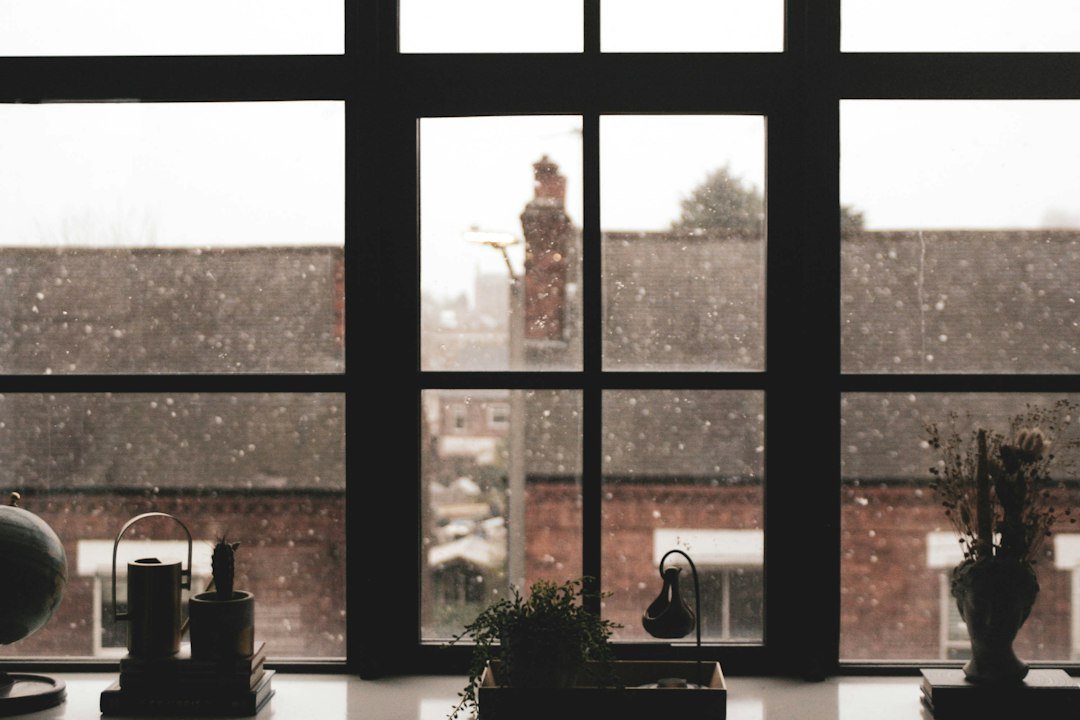
Photo by Ash Willson on Unsplash