Category: Korean Food

  • Types of Kimchi: A Beginner’s Guide to Korean Varieties

    Types of Kimchi: A Beginner’s Guide to Korean Varieties

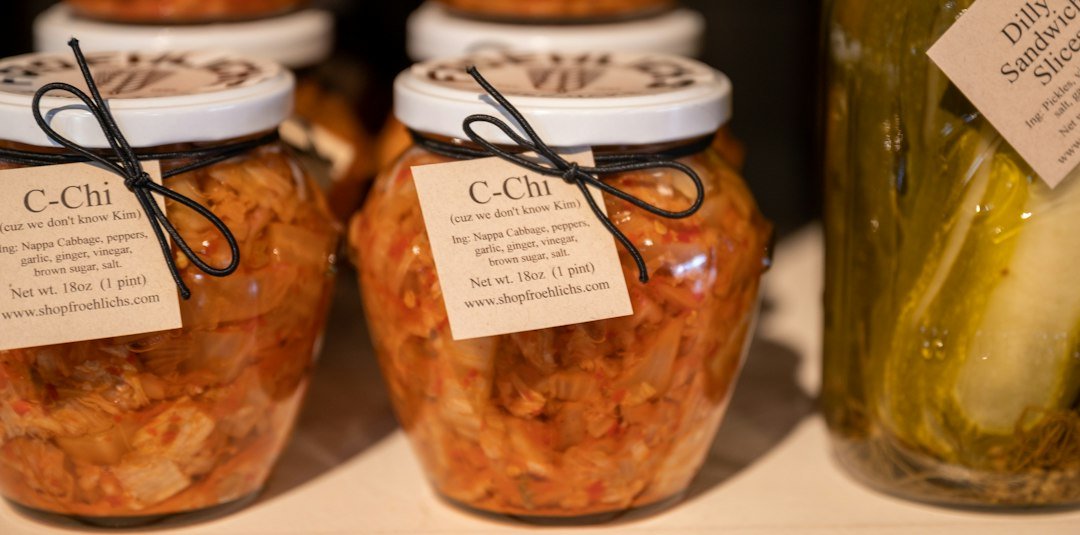
    Kimchi is a dish of preserved vegetables seasoned with spices and fermented seafood, and there are far more types of kimchi than the spicy red cabbage side dish most people picture first. According to UNESCO, kimchi has been a staple across social classes and regions in Korea, and it is also something households traditionally share with each other. The practice of making large batches in late autumn, called kimjang, was inscribed on UNESCO’s Representative List in 2013.

    What Is Kimchi, and How Many Types of Kimchi Exist?

    The World Institute of Kimchi explains that kimchi starts with salting raw vegetables, such as cabbage or radish. The institute also notes that a Codex Alimentarius international standard for kimchi was certified in 2001.

    One detail the institute highlights is that kimchi is the only food with both a primary and a secondary fermentation step.

    As for numbers, The Korea Times reported in 2022, with help from the World Institute of Kimchi, that there are more than 200 types of kimchi in Korea according to experts. Ingredients and regional habits shape each version. The same report mentions other examples like cucumber, water parsley, dandelion, pumpkin, and tomato kimchi, which shows how wide the category really is.

    Eight Types of Kimchi Every Beginner Should Know

    Britannica and Visit Seoul both describe a smaller set of well-documented varieties. Here are eight worth knowing before your next Korean meal.

    Type Main ingredient What sets it apart
    Baechu kimchi Napa cabbage Salted, rinsed, and coated in seasoning with red pepper flakes; can be eaten fresh and juicy or aged and more sour
    Baek kimchi Radish, chestnuts, and fruit (no chili) Made with garlic, chives, radish, chestnuts, and fruit like Korean pear and jujube, in a fruit-tinged brine
    Kkakdugi Korean radish (mu) Cubed, juicy, and crunchy; Britannica says it is traditionally eaten with seolleongtang (ox bone soup)
    Chonggak kimchi Small white radish with greens Prepared whole with its “ponytail” greens; seasoned with chili flakes, ginger, garlic, and green onion
    Oi sobagi Small cucumbers Stuffed with chopped vegetables; crisp and spicy; Britannica says it is best in summer and keeps only a few days
    Nabak kimchi Radish, carrot, green onion, napa cabbage Mildly spicy pear-based brine; Britannica says it is ready in a few days and pairs with oily or grilled food
    Dongchimi Salted radish in water Peppers, garlic, ginger, and Korean pear in a fizzy, sweet-sour liquid, drunk alone or used as a cold-noodle base
    Gat kimchi Korean mustard leaves and stems Made with pickled anchovy sauce, chili, garlic, onion, and ginger; sharp and pungent

    Cabbage, Radish, Water-Based, and Leafy: How the Types of Kimchi Compare

    Grouping these eight varieties by main ingredient makes the lineup easier to remember.

    • Cabbage-based: baechu kimchi is the classic napa cabbage version. Baek kimchi is a chili-free kimchi made with garlic, chives, radish, chestnuts, and fruit.
    • Radish-based: kkakdugi and chonggak kimchi both use radish, cubed in one case and left whole with greens in the other.
    • Cucumber and water-based: oi sobagi uses cucumber, while nabak kimchi and dongchimi rely on a watery, pear-sweetened brine.
    • Leafy: gat kimchi stands apart for its use of mustard leaves instead of cabbage or radish.

    Texture and serving style vary by group. Kkakdugi is described as crunchy, and dongchimi is a sweet-sour liquid that can be drunk on its own.

    Regional Kimchi, Fish Sauce, and Vegan Options

    A 2004 Korea JoongAng Daily article described several kimchi traditions tied to specific regions, though local practices may have changed since then. It mentioned Dolsan mustard leaf kimchi from Jeolla, Hamyang sesame leaf kimchi from Gyeongsang, and Gamdongjeot radish kimchi from Seoul.

    The same article covered Chojeong Yaksu dongchimi from Cheongju in Chungcheong, and myeongtae (pollock) kimchi from Yangyang in Gangwon, which uses pollock broth instead of fish sauce. These regional names give a sense of how varied kimchi-making can be across the country.

    Many types of kimchi use fish sauce or other seafood in the seasoning, which matters for readers with dietary restrictions. Britannica notes that Buddhist temple kimchi is prepared as a vegan version, leaving out garlic, onions, leeks, and chives as well as animal products. If you need to avoid fish sauce or alliums, it’s worth asking the restaurant directly or checking the label before ordering.

    A Few Tips Before You Try More Types of Kimchi

    Don’t expect every kimchi to taste the same once you move past the cabbage version. Water-based types like nabak kimchi and dongchimi are served in a liquid, and nabak is mildly spicy while dongchimi is sweet-sour. Gat kimchi is described as sharp and pungent, while baek kimchi has no chili at all.

    If you’re curious about how kimchi fits into a bigger meal, our kimjang bossam guide covers how freshly made kimchi gets served alongside boiled pork. And if raw seafood dishes interest you too, our ganjang gejang explainer looks at another Korean dish built on curing and seasoning.

    Keep in mind that recipes and preferences differ from household to household, and from region to region. What one family calls their kimchi may look and taste different a town over.

    Photo by Herry Sutanto on Unsplash
  • Ganjang Gejang: Soy-Marinated Raw Crab, Explained

    Ganjang Gejang: Soy-Marinated Raw Crab, Explained

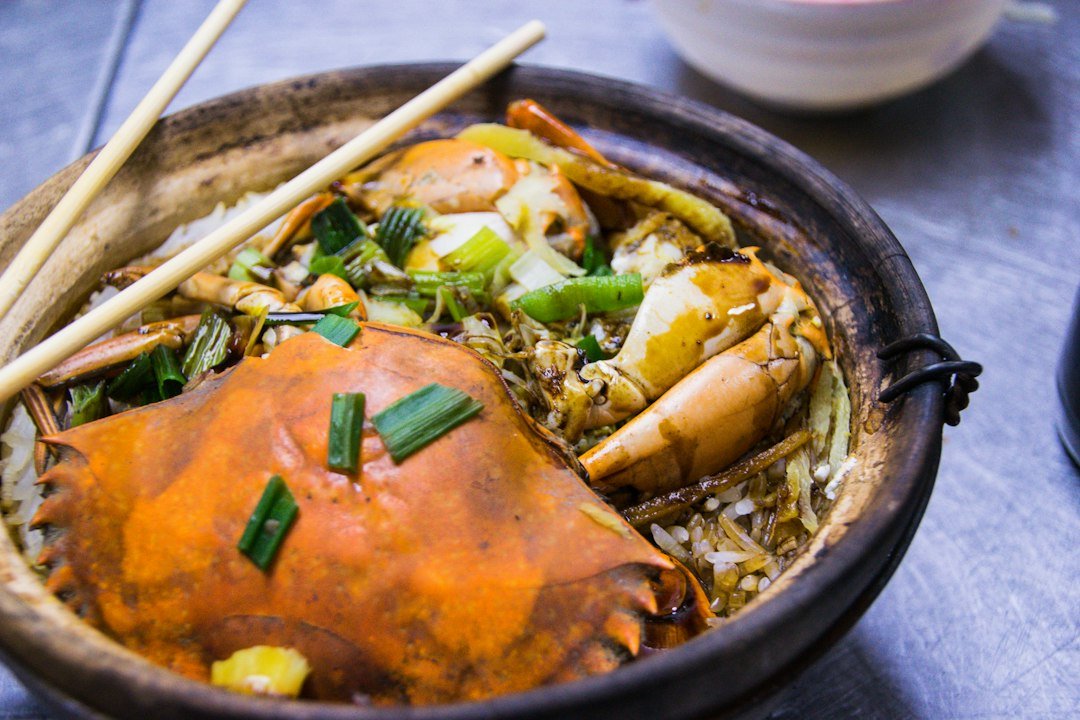
    Ganjang gejang is a Korean dish made by curing raw crab in a mild soy sauce based brine. It is eaten with steamed rice. According to The Korea Herald, the dish traditionally uses fresh blue crabs, known in Korean as kkotge.

    The Korea Herald notes that ganjang gejang began as a regional specialty in Korea’s coastal provinces. Over time, it became popular across the country.

    The Korea Herald (2018) describes the general method in broad terms: the soy brine is strained, boiled, and poured over the crabs several times across a few days. This post does not give exact amounts or timing.

    Seoul Economic Daily, citing TasteAtlas, describes the dish simply as blue crab marinated in a soy sauce that has been boiled with various ingredients, then aged. The crab itself is raw.

    Why Ganjang Gejang Is Called a “Rice Thief”

    Koreans have a nickname for this dish: bapdoduk, which translates to “rice thief.”

    The Korea Herald (2018) gives two reasons the nickname fits ganjang gejang. First, the salty brine pairs with rice, so people eat extra rice to balance the saltiness. Second, the dish is simply hard to stop eating once you start.

    • Bapdoduk means “rice thief” in Korean
    • Salty brine encourages eating more rice alongside it

    Seoul Economic Daily adds that the combination of savory soy sauce and sweet crab meat is what earned the dish this reputation.

    Ganjang Gejang vs. Yangnyeom Gejang

    There are two main versions of marinated crab in Korea. TasteAtlas, as cited by Seoul Economic Daily, distinguishes them by their base: soy sauce or spicy chili sauce.

    Ganjang gejang uses the soy based brine described above. Yangnyeom gejang swaps that brine for a spicy red sauce. The Korea Herald (2018) notes that for yangnyeom gejang, crabs are opened and cut into pieces before marinating, so the sauce coats the meat evenly.

    Type What It Is
    Ganjang Gejang Raw crab cured in a soy sauce based brine
    Yangnyeom Gejang Crab cut into pieces and marinated in spicy red sauce


    How Ganjang Gejang Is Eaten

    The Korea Herald (2024) says this dish is mainly eaten with rice. It calls the top shell the best part of the meal, where roe and tomalley, the creamy brown substance inside the shell, mix with a spoonful of rice.

    The Korea Herald (2013) offers a few practical tips worth knowing before you try it. Diners are advised to save a spoonful or two of rice specifically for the top shell. Meat is sucked from the shell, and claws are broken open with a cracker.

    • Save some rice for mixing with roe and tomalley in the top shell
    • Meat is sucked directly from the shell
    • Claws are typically cracked open with a tool
    • The Korea Herald (2018) notes restaurants often provide plastic gloves, since the brine can leave a smell on hands

    These are habits described by The Korea Herald, not universal rules. Practices can differ from one restaurant to another.

    When Is Ganjang Gejang in Season?

    According to The Korea Herald (2018), female crabs carrying roe are considered best in late spring. In autumn, preference shifts toward male crabs, which are fatter at that time of year. The Korea Herald (2013) also points to autumn as a good season for male crabs.

    That said, the 2018 article also mentions that frozen crabs are used today as well. This means ganjang gejang can be found year round, not only during these peak windows.

    • Late spring: female crabs with roe, according to The Korea Herald
    • Autumn: fatter male crabs, according to The Korea Herald
    • Frozen crab use means the dish is available outside these seasons too

    Why Ganjang Gejang Is in the News

    Seoul Economic Daily reported on July 6, 2026, that TasteAtlas ranked ganjang gejang first in its World Best Crab Dishes list, released in June 2026. The dish reportedly scored 4.2 out of 5 on that list.

    The same report notes that foreigners have traditionally been hesitant about eating raw crab.

    The Korea Herald (2024) offers a related observation: the bold, raw, and slightly briny flavors of ganjang gejang may be an acquired taste for some people. That’s worth keeping in mind if you’re trying it for the first time.

    A Note for First-Timers

    Ganjang gejang is served raw. If you have questions about eating raw seafood, it’s worth asking the restaurant directly or checking official health guidance in your situation.

    If you are curious about another Korean dish, our kimjang bossam guide covers boiled pork eaten with fresh kimchi.

    Not everyone will love ganjang gejang right away, and that’s fine. Flavor preferences vary, and so do how individual restaurants prepare and serve it.

    Photo by Vernon Raineil Cenzon on Unsplash

  • Kimjang Bossam: Why Boiled Pork Meets Fresh Kimchi

    Kimjang Bossam: Why Boiled Pork Meets Fresh Kimchi

    Every late autumn, many Korean households make kimchi in large batches for the long winter. This tradition is called kimjang, and UNESCO added it to its Representative List of the Intangible Cultural Heritage of Humanity in 2013. In many households, a pot of boiled pork joins the table that day. That dish is the star of this post: kimjang bossam.

    What Is Kimjang?

    Kimjang is the making and sharing of kimchi in large quantities, a community tradition. UNESCO describes it as a late-autumn custom that helps households have enough kimchi for the long winter. According to Korea JoongAng Daily, kimjang usually takes place between November and December.

    • Kimjang centers on making baechu kimchi, a napa cabbage kimchi.
    • It is traditionally a group activity rather than a solo kitchen task.

    Great British Chefs describes kimjang as the day when Korean families make a large batch of baechu kimchi together, and notes that it is traditional afterward to drink makgeolli, a milky rice wine, while eating suyuk and fresh kimchi. That “afterward” meal is where kimjang bossam comes in.

    Suyuk and Bossam: Two Different Words for the Same Table

    Suyuk and bossam are closely related, but they are not quite the same thing. Getting this straight makes the rest of kimjang day easier to follow.

    Suyuk is the boiled pork itself, typically shoulder or belly cut into slices. Bossam, according to SBS Food, refers to the way that meat is eaten: wrapped in a salted cabbage leaf or lettuce leaf, rather than the meat on its own.

    • Suyuk = the boiled pork.
    • Bossam = the act of wrapping that pork (plus kimchi) in a leaf before eating it.
    • Korea’s government media outlet KOCIS notes that bossam once referred to a Gaeseong-style kimchi dish, but the word is now commonly used for kimchi served together with boiled pork.

    So when people talk about “eating bossam” on kimjang day, they usually mean taking a piece of suyuk, adding a bit of freshly made kimchi, and wrapping both in a cabbage leaf. KOCIS describes this exact combination: a slice of pork and fresh kimchi wrapped together in a salted napa cabbage leaf.

    Why Pork Shows Up on Kimjang Day

    It’s a fair question: why boiled pork, specifically, on a day that is all about cabbage kimchi? Herald Business, a Korean press outlet, reported in October 2025 that suyuk is a dish that regularly appears when people gather for kimjang. The article also cited a Korean kimchi master who lists suyuk alongside kimjang kimchi among her recommended food pairings.

    One Korean food writer explains the practical reason behind this. On kimjang day, the salted cabbage and seasoned radish are already being prepared as part of the kimchi-making process itself. That means only the pork needs to be boiled.

    • Customs can vary by region and by family, and no single source covers every regional difference.
    • Kimjang bossam should not be assumed to be the only food served on kimjang day, just a common one.

    How Kimjang Bossam Is Eaten

    The pork is served with fresh kimchi, called baechu-geotjeori, made that same day.

    The eating method follows a simple pattern: take a salted napa cabbage leaf, add a slice of suyuk, top it with a bit of fresh kimchi, and wrap it up before eating. Wrapping meat in a leaf before eating it is a habit that shows up elsewhere in Korean dining too, and if you want the fuller picture of how leaf-wrapping works at the grill, our Korean BBQ etiquette guide covers it in more detail.

    • The wrapping leaf is typically a salted napa cabbage leaf.
    • Lettuce can also be used as the wrapping leaf, per SBS Food.
    • Great British Chefs mentions makgeolli as a traditional drink to go with this meal.
    What What it is
    Kimjang kimchi Large batch of baechu (napa cabbage) kimchi made and shared on kimjang day
    Suyuk Boiled pork, usually shoulder or belly, served in sliced pieces
    Bossam The way suyuk is eaten: wrapped with fresh kimchi in a salted cabbage or lettuce leaf

    Where to Learn More: Museum Kimchikan

    For a deeper look at kimjang culture, Museum Kimchikan in Insa-dong, Seoul, is dedicated to kimchi and kimjang traditions. According to its official English site, the museum is open Tuesday to Sunday from 10:00 to 18:00, with last admission at 17:30.

    It is closed on Mondays, January 1, Lunar New Year holidays, Chuseok holidays, and Christmas Day. The museum’s English site also features an online exhibition called “Essential Guide to Kimjang.” Programs, prices, and English-language availability can change, so check the official site or contact the museum directly before planning a visit.

    Kimjang bossam isn’t a fixed recipe with one correct way of doing things. It’s a custom that bends to whatever each family or region has always done around their kimchi tubs, and that variation is part of what makes it worth experiencing firsthand.

    Photo by Iuliia Pilipeichenko on Unsplash

  • Korea’s Matsutake Mushroom Season: Why Prices Hit Records in 2026

    Korea’s Matsutake Mushroom Season: Why Prices Hit Records in 2026

    Walk through a Korean market in late September and you might spot a small wooden crate of oddly shaped mushrooms with a price tag that makes you do a double take. That’s likely songi-beoseot, Korea’s beloved pine mushroom, and you’ve stumbled into the middle of matsutake mushroom season. This year, that price tag has a reason.

    A hot, dry spell cut the harvest. Top-grade wholesale auction prices in Yangyang broke records twice in 2026, on September 30 and October 4.

    Why Matsutake Mushroom Season Brings Such Wild Price Swings

    Unlike most mushrooms sold in Korea, matsutake cannot be commercially cultivated. They only grow naturally at the roots of living pine trees, in the wild, with no way to farm them at scale.

    That means every single mushroom on the market was hand-foraged. Experienced foragers head into mountain forests in the early morning, searching the forest floor for mushrooms pushing up through pine roots.

    Because the harvest depends so heavily on that year’s weather and soil conditions, supply can shift dramatically from one season to the next. A cooler, wetter autumn can bring an abundant harvest, while a dry or unusually warm one can leave foragers with very little.

    • No large-scale farming is possible — every mushroom is wild and hand-picked
    • Growth depends on specific temperature and humidity conditions near pine roots
    • Supply changes year to year, so price can vary significantly from one season to the next
    • Prices can even shift week to week within the same season

    This is exactly why matsutake is considered one of the most expensive seasonal ingredients in Korea. There’s simply no way to guarantee a steady supply.

    Matsutake Mushroom Season Timeline: Why Prices Hit Records This Year

    The matsutake mushroom season in Korea runs roughly from September through October, a short window compared to many other autumn foods. If you’re already planning an autumn trip, it’s worth pairing this with Korea’s other seasonal highlights, like the timing covered in Korea’s fall foliage guide.

    The days around Chuseok, Korea’s harvest festival that falls in late September or October depending on the lunar calendar, are generally seen as the peak of the season. If you want the background on this holiday, our Chuseok explainer covers what it’s all about.

    Period What’s Happening
    Early September Season begins, supply still limited
    Around Chuseok Peak demand as a gift and festive ingredient
    Right after Chuseok In a typical year, prices tend to settle after the pre-Chuseok peak. In 2026, prices stayed high.
    Early October 2026 Record auction prices were recorded, but Yangyang’s auction season ended earlier than usual.

    In 2026, Yangyang’s top-grade matsutake auction price reached 1,623,700 won per kilogram on September 30, then set a new record of 1,711,700 won on October 4.

    A shortage of rainfall reduced the harvest, while demand remained strong even after Chuseok. Yangyang’s 2026 auction season also ended about three weeks earlier than the previous year.

    These were Grade 1 wholesale auction prices, not retail prices. What shoppers pay can vary significantly by grade, vendor, and trading date.

    How to Spot Good Quality Matsutake

    If you come across matsutake at a market stall or on a restaurant menu, a few visual cues can help you judge quality even without any prior experience.

    • The cap should still be round and unopened, not flared out flat
    • The stem should look white, firm, and dense
    • Avoid mushrooms with a soft or hollow-feeling stem, which suggests they’re past their best

    A closed cap generally signals a younger, fresher mushroom, since matsutake caps open up as they age. Firmness in the stem is also a quick, practical way to judge quality on the spot.

    Matsutake vs. Everyday Mushrooms in Korea

    It helps to put matsutake in context next to the mushrooms Koreans cook with on a regular basis. Shiitake mushrooms, called pyogo-beoseot in Korean, and oyster mushrooms, known as neutari-beoseot, show up constantly in everyday dishes like soups, stir-fries, and grilled side dishes.

    Both are widely available and commonly used precisely because they can be farmed reliably. Matsutake sits at the opposite end of that spectrum, prized partly because it can’t be mass-produced the same way.

    If you’re curious about other Korean dining customs while you’re exploring seasonal food, our guide to Korean BBQ etiquette is a useful companion read for navigating restaurant menus in general.

    A Few Practical Notes Before You Go Looking

    Since matsutake mushroom season depends entirely on nature’s timing, availability can differ from what you might expect based on the calendar alone. A cold snap or heavy rain can shift the peak days earlier or later than usual.

    If you’re planning a trip specifically to try it, checking closer to your travel dates is more reliable than relying on general season dates alone. Traditional markets and some larger grocery stores tend to carry matsutake during the season.

    • Ask vendors directly about the day’s harvest, since quality can change daily
    • Expect price tags to vary noticeably by grade, size, and even the week you visit
    • Don’t assume the most expensive-looking mushroom is automatically the best; check the cap and stem yourself

    Because supply is unpredictable by nature, there’s no fixed price you can expect to see. Treat any number you’re quoted as specific to that day, that vendor, and that year’s harvest.

    Trying matsutake during its short window is less about hunting for a bargain and more about catching a genuinely seasonal experience. Prices and availability vary quite a bit, so it’s worth checking with a local market or restaurant once you’re actually in Korea and closer to your travel dates.

    Sources and References

    Photo by Ihor Kovalchuk on Unsplash

  • Korean Convenience Store Snacks: A Practical Guide for First-Time Visitors

    Korean Convenience Store Snacks: A Practical Guide for First-Time Visitors

    You step off the subway in Seoul, it’s 10 p.m., and a glowing CU or GS25 sign beckons from across the street. Inside: rows of triangle-shaped rice snacks, self-serve ramen stations steaming away, golden corn dogs rotating under a heat lamp, and a fridge wall lined with pastel-colored drinks. This is the world of Korean convenience store snacks — and for most travelers, it becomes one of the most memorable parts of their trip.

    After every trip to Korea, the number one thing many visitors talk about isn’t temples or palaces — it’s the snacks. That’s not a coincidence. Foreign customer sales at major chains like GS25 have surged year-on-year, driven largely by food and drink purchases, and CU has reported triple-digit growth in foreign transactions, fueled by global interest in Korean convenience food culture. These stores aren’t just pit stops — they’re cultural touchpoints.

    The Classics You’ll See Everywhere: Korean Convenience Store Snacks 101

    Walk into any CU, GS25, or 7-Eleven in Korea and certain items are virtually guaranteed to be there. These are the snacks that locals reach for instinctively and travelers quickly become obsessed with.

    Samgak-gimbap (삼각김밥), or triangle kimbap, is probably the most iconic Korean convenience store item. It’s a triangular rice ball wrapped in seaweed, filled with ingredients like tuna mayo, bulgogi (marinated beef), kimchi, or spicy pork. The genius is in the packaging: a layered wrapper keeps the seaweed crisp until you’re ready to eat, and you peel it off in three pull-tab steps. If it’s your first time, look for the numbered arrows on the wrapper — they make the process surprisingly satisfying once you get it right.

    Banana milk is another staple that surprises first-timers with how good it actually is. Sold in a distinctive chubby bottle, it’s a sweet, lightly flavored milk drink that’s been a beloved part of Korean daily life for decades. It doesn’t taste artificial — think of it as a very gentle, creamy banana flavor. It pairs beautifully with almost anything savory from the same store.

    • Samgak-gimbap — triangular seaweed rice balls in a variety of savory fillings
    • Banana milk — iconic chubby-bottle sweet milk drink, a Korean classic
    • Choco snacks — chocolate-dipped biscuit sticks, chocolate pies, and cookie-based sweets in endless seasonal varieties
    • Flavored chips — sweet-and-savory combinations like honey butter, onion, and various spicy flavors dominate the chip aisle
    • Canned and bottled coffee — a refrigerated wall of ready-to-drink coffee options, from sweet milk coffee to unsweetened Americano

    The chip and chocolate snack sections rotate frequently with limited-edition and seasonal flavors, so what you see today might not be there next month. That’s part of the fun — browsing the snack wall is always a small adventure.

    Hot Food You Actually Eat In-Store

    Korean convenience stores are not just for packaged snacks. They’re full-on meal destinations, and the hot food section is where things get really interesting for travelers used to the grab-and-go model of convenience stores back home.

    The self-serve instant ramen station is a rite of passage. You pick a cup or bowl of ramyeon (Korean instant noodles) from the shelf — there are always multiple spice levels and flavor types — and use the hot water dispenser mounted on a machine near the register to fill it. Wait a few minutes, add the seasoning packet, and you have a steaming bowl of noodles for a very small amount of money. Many stores have chopsticks and utensil dispensers right next to the machine.

    Korean corn dogs (hotteok-style or regular battered sausage on a stick) are another hot item you’ll often spot rotating in a glass warmer near the register. These are different from American corn dogs — the batter tends to be thicker and chewier, sometimes coated in panko crumbs or even sugar for a sweet-savory contrast. Grab one on your way out and eat it while walking.

    • Cup ramyeon at the hot water station — choose your noodle, fill with hot water, season, and eat at the in-store table
    • Corn dogs — thick-battered, chewy, sometimes sugar-dusted; a very Korean spin on the classic
    • Ready-made dosirak (lunchboxes) — rice with side dishes like kimchi and fish, microwaveable in about 90 seconds
    • Steamed buns and dumplings — kept warm in a steamer unit; fillings range from red bean paste to pork and kimchi
    • Microwaveable rice bowls and pasta — grab from the refrigerated section, heat in the in-store microwave, eat at a table

    Almost every Korean convenience store has a microwave near the register that customers are welcome to use for any refrigerated item they purchase. Ask the cashier or just point at the food and then the microwave — they’ll understand immediately. Many stores also have small tables and stools, either inside or just outside the door, where eating in is completely normal and expected.

    How to Eat Like a Local at a Korean Convenience Store

    There’s a whole unspoken rhythm to convenience store eating in Korea that’s worth knowing before your first visit. Picture yourself sitting by the Han River, banana milk in one hand, a steaming cup of ramyeon in the other — that’s not some fantasy, it’s a typical Tuesday night for a lot of Koreans. The culture around convenience store meals is casual, communal, and completely judgment-free.

    Here are a few practical things that will make your experience smoother:

    • Utensils are free — chopsticks, forks, and spoons are usually at a self-serve station near the register or hot food area
    • Condiment packets — soy sauce, ketchup, and mustard packets are often available at no extra cost near the hot food section
    • The microwave is for customers — you’re not imposing by using it; just heat and enjoy
    • Sitting in is encouraged — in-store or outdoor tables exist specifically for this purpose; linger as long as you like
    • Pay attention to the wrapper on samgak-gimbap — numbered pull tabs (1, 2, 3) keep the seaweed crunchy; pull them in order

    One category that often surprises travelers is the ready-made lunchbox (dosirak). Some stores collaborate with well-known chefs and food personalities to create dosirak-style meals featuring rice, meat or fish, and traditional side dishes like kimchi — designed to feel home-cooked but ready in minutes. For a real meal at a fraction of restaurant prices, these are worth grabbing.

    A Quick Reference: What to Grab and Why

    If you’re short on time or feeling overwhelmed by the options, use this as your starting point. These are the categories most worth exploring on a first visit to any Korean convenience store.

    Category What It Is Best For
    Samgak-gimbap Triangular seaweed rice ball with savory fillings Quick, filling snack or light meal
    Cup ramyeon Instant noodles made at the in-store hot water station Warm, budget-friendly meal any time of day
    Banana milk Sweet banana-flavored milk in a signature chubby bottle A classic Korean drink experience, pairs with anything
    Corn dog Thick-battered sausage or cheese on a stick, often panko-coated Hot, satisfying street-food-style snack on the go
    Flavored chips Sweet-savory Korean chip varieties (honey butter, spicy, onion, etc.) Snacking and souvenirs — they travel well
    Dosirak (lunchbox) Microwaveable rice-and-side-dish lunchbox A proper, balanced meal without finding a restaurant
    Choco snacks Chocolate pies, biscuit sticks, and seasonal chocolate treats Sweet cravings and easy gifts to bring home

    Korean convenience stores reward curiosity. The best strategy is simply to pick one new item each visit and build from there — most things cost very little, so experimenting carries almost no risk. By day three of your trip, you’ll have your own personal ranking and a few firm favorites. If you’re also exploring Korean culture beyond the convenience store, our Beginner’s Guide to the Korean Skincare Routine is another great entry point into everyday Korean life and what locals actually use and love.

    Photo by Ishaq Robin on Unsplash

  • Korean BBQ Etiquette: How to Order and Eat Like a Local

    Korean BBQ Etiquette: How to Order and Eat Like a Local

    You sit down at a Korean BBQ restaurant. A grill sits embedded right in the center of the table, tongs are placed to the side, and a dozen small dishes are already fanned out before you’ve even opened the menu. If you’ve never done this before, it can feel like everyone around you knows exactly what to do. Korean BBQ etiquette isn’t a rigid set of rules, but understanding the flow of the meal makes the whole experience click into place.

    How Ordering Works: Portions, Cuts, and What to Expect

    Korean BBQ etiquette starts before the meat even hits the grill. You order meat by the portion (인분, inbun), not by individual pieces. One portion typically serves one to two people, and most tables order two or more portions of a single cut. If you’re a group of four, ordering two to three portions of one or two cuts is a natural starting point.

    Gogigui (고기구이), which literally means “grilled meat,” covers a range of cuts you’ll see on most menus. Popular choices include samgyeopsal (thick-cut pork belly), chadolbaegi (thinly shaved beef brisket), and galbi (marinated short ribs). Marinated cuts like galbi tend to have a sweeter, richer flavor. Unmarinated cuts let you taste the meat itself, often dipped in sesame oil and salt at the table.

    • Order by portion (인분), not by piece
    • Two or more portions per cut is standard for a table
    • Unmarinated cuts: dip in sesame oil + salt
    • Marinated cuts: often eaten as-is or with ssamjang
    • To get a server’s attention, a polite “여기요!” (yeogi-yo!) meaning “over here!” works well; servers expect this and won’t think it’s rude

    Banchan: The Free Side Dishes

    The banchan (반찬), the small side dishes that arrive automatically, are free and refillable. Kimchi, pickled radish, bean sprouts, spinach, sliced garlic, and green onion salad are all common. Asking for seconds is completely normal, and no one will think you’re being greedy.

    At the Grill: Who Cooks, and How

    In many Korean BBQ restaurants, a staff member grills the meat for you, at least at first. In others, the table handles it themselves, and one person often takes charge of the grill. Most people let that person work without interfering once they’ve taken over. If dining with Koreans, this role often falls to the eldest or the host.

    The key tool is the tongs. Staff sometimes use scissors too, snipping meat into bite-sized pieces right on the grill. Tongs are for grilling, and chopsticks are for eating. Locals consider it unhygienic to touch raw or cooking meat with personal chopsticks, and you’ll notice they never do it.

    • Use tongs for grilling, chopsticks only for eating
    • Staff may use scissors to cut meat on the grill — this is normal
    • Don’t constantly rearrange or flip the meat; let it sear and develop a crust before turning it over
    • It’s tempting to load everything onto the grill at once. Doing so lowers the temperature and cooks unevenly, so grill in small batches instead
    • If you’re unsure whether to grill yourself, just ask — people appreciate the consideration

    One easy-to-miss point: don’t blow your nose at the table. The smoke, heat, and spice can make the urge strike, but Korean dining culture considers this quite rude. Step away from the table if needed.

    ✅ Do ❌ Don’t
    Use tongs to handle meat on the grill Use your personal chopsticks to touch raw or cooking meat
    Grill in small batches for even cooking Pile all the meat onto the grill at once
    Let meat sear before flipping Flip constantly or rearrange without coordination
    Pour drinks for others before yourself Pour your own drink before others’ glasses are filled
    Step away from the table to blow your nose Blow your nose at the table

    The Ssam Wrap: Korean BBQ Etiquette at Its Most Delicious

    If there’s one ritual that defines Korean BBQ etiquette, it’s the ssam (쌈), wrapping grilled meat in a leafy green. A ssam combines grilled meat, rice, sauce, and banchan, all wrapped in a fresh lettuce leaf. It’s one of the most authentic ways to eat Korean BBQ. Perilla leaves (kkaennip, 깻잎) are another common option. They carry a slightly more herbal, anise-like flavor compared to the mild crunch of green leaf lettuce.

    To build a proper ssam, take a lettuce or perilla leaf in your palm. Add a small piece of grilled meat, a pinch of rice, and a thin slice of raw garlic. Finish with a small dab of ssamjang, a thick, savory paste made from fermented soybean paste and chili paste. Fold the wrap and eat it in one bite. Most people avoid taking multiple bites because the wrap can fall apart; if yours feels too large, just make a smaller one.

    • Lettuce (상추, sangchu): mild, most common ssam leaf
    • Perilla leaf (깻잎, kkaennip): herbal, slightly stronger flavor
    • Ssamjang: the classic dipping paste — savory, slightly spicy, earthy
    • Add sliced raw garlic and a small piece of kimchi for the full local experience
    • Eat the whole wrap in one bite — fold it fully before putting it in your mouth

    Drinking Etiquette: Pouring for Others

    Drinking etiquette is worth knowing too, especially if soju or beer is on the table. Korean dining culture considers it polite to pour drinks for others first, especially in a group. If someone pours you a drink, hold your glass with both hands to show respect. You don’t pour your own drink. Instead, you wait for someone at the table to do it for you, and you do the same in return.

    How to Finish the Meal: The Starchy Finale

    One thing many first-time visitors miss entirely is how a Korean BBQ meal is supposed to end. The grilled meat feels like the main event, but Koreans see it as just the buildup to the real closer. They usually close a BBQ meal with something starchy or brothy: doenjang jjigae (soybean-paste stew), naengmyeon (cold noodles, especially after beef), or fried rice made in the leftover fat.

    Naengmyeon (냉면) is thin, chewy buckwheat noodles served cold, either in an icy beef broth (mul naengmyeon) or tossed in a spicy sauce (bibim naengmyeon). Some people order naengmyeon to share at the end of the meal instead of rice. They enjoy the cool, icy noodles after the hot, greasy BBQ. Doenjang jjigae is a bubbling soybean-paste stew, rich and deeply savory, traditionally served in a stone pot alongside rice.

    • Order the stew or noodles when the meat feels like almost enough, not after you’re already full
    • Naengmyeon: cold buckwheat noodles, often shared between the table
    • Doenjang jjigae: fermented soybean-paste stew with tofu and vegetables, pairs naturally with rice
    • Some restaurants offer fried rice cooked directly in the leftover grill fat — a smoky, savory treat worth trying
    • Restaurants usually charge for rice (공기밥, gonggi-bap) separately, and it may not come with the meat automatically

    This closing ritual reflects something important about Korean dining culture. For Koreans, the focus of every meal is rice and stew or soup, with side dishes alongside. Even at a BBQ restaurant, the grilled meat is almost an accompaniment to rice, not the other way around. Understanding this shifts the whole meal from a series of random dishes into something with a real shape and rhythm.

    Korean BBQ is one of those experiences that rewards a bit of preparation. The rules aren’t strict, but knowing the flow lets you relax and actually enjoy it. If you’re planning a trip to Korea and want to go deeper into local food and culture, you might also enjoy exploring A Beginner’s Guide to the Korean Skincare Routine, another area where knowing the logic behind the steps makes everything feel more intuitive. Korea tends to reward that kind of curiosity.

    Photo by Daniel on Unsplash