Walk through a Korean market in late September and you might spot a small wooden crate of oddly shaped mushrooms with a price tag that makes you do a double take. That’s likely songi-beoseot, Korea’s beloved pine mushroom, and you’ve stumbled into the middle of matsutake mushroom season. This year, that price tag has a reason.
A hot, dry spell cut the harvest. Top-grade wholesale auction prices in Yangyang broke records twice in 2026, on September 30 and October 4.
Why Matsutake Mushroom Season Brings Such Wild Price Swings
Unlike most mushrooms sold in Korea, matsutake cannot be commercially cultivated. They only grow naturally at the roots of living pine trees, in the wild, with no way to farm them at scale.
That means every single mushroom on the market was hand-foraged. Experienced foragers head into mountain forests in the early morning, searching the forest floor for mushrooms pushing up through pine roots.
Because the harvest depends so heavily on that year’s weather and soil conditions, supply can shift dramatically from one season to the next. A cooler, wetter autumn can bring an abundant harvest, while a dry or unusually warm one can leave foragers with very little.
- No large-scale farming is possible — every mushroom is wild and hand-picked
- Growth depends on specific temperature and humidity conditions near pine roots
- Supply changes year to year, so price can vary significantly from one season to the next
- Prices can even shift week to week within the same season
This is exactly why matsutake is considered one of the most expensive seasonal ingredients in Korea. There’s simply no way to guarantee a steady supply.
Matsutake Mushroom Season Timeline: Why Prices Hit Records This Year
The matsutake mushroom season in Korea runs roughly from September through October, a short window compared to many other autumn foods. If you’re already planning an autumn trip, it’s worth pairing this with Korea’s other seasonal highlights, like the timing covered in Korea’s fall foliage guide.
The days around Chuseok, Korea’s harvest festival that falls in late September or October depending on the lunar calendar, are generally seen as the peak of the season. If you want the background on this holiday, our Chuseok explainer covers what it’s all about.
| Period | What’s Happening |
|---|---|
| Early September | Season begins, supply still limited |
| Around Chuseok | Peak demand as a gift and festive ingredient |
| Right after Chuseok | In a typical year, prices tend to settle after the pre-Chuseok peak. In 2026, prices stayed high. |
| Early October 2026 | Record auction prices were recorded, but Yangyang’s auction season ended earlier than usual. |
In 2026, Yangyang’s top-grade matsutake auction price reached 1,623,700 won per kilogram on September 30, then set a new record of 1,711,700 won on October 4.
A shortage of rainfall reduced the harvest, while demand remained strong even after Chuseok. Yangyang’s 2026 auction season also ended about three weeks earlier than the previous year.
These were Grade 1 wholesale auction prices, not retail prices. What shoppers pay can vary significantly by grade, vendor, and trading date.
How to Spot Good Quality Matsutake
If you come across matsutake at a market stall or on a restaurant menu, a few visual cues can help you judge quality even without any prior experience.
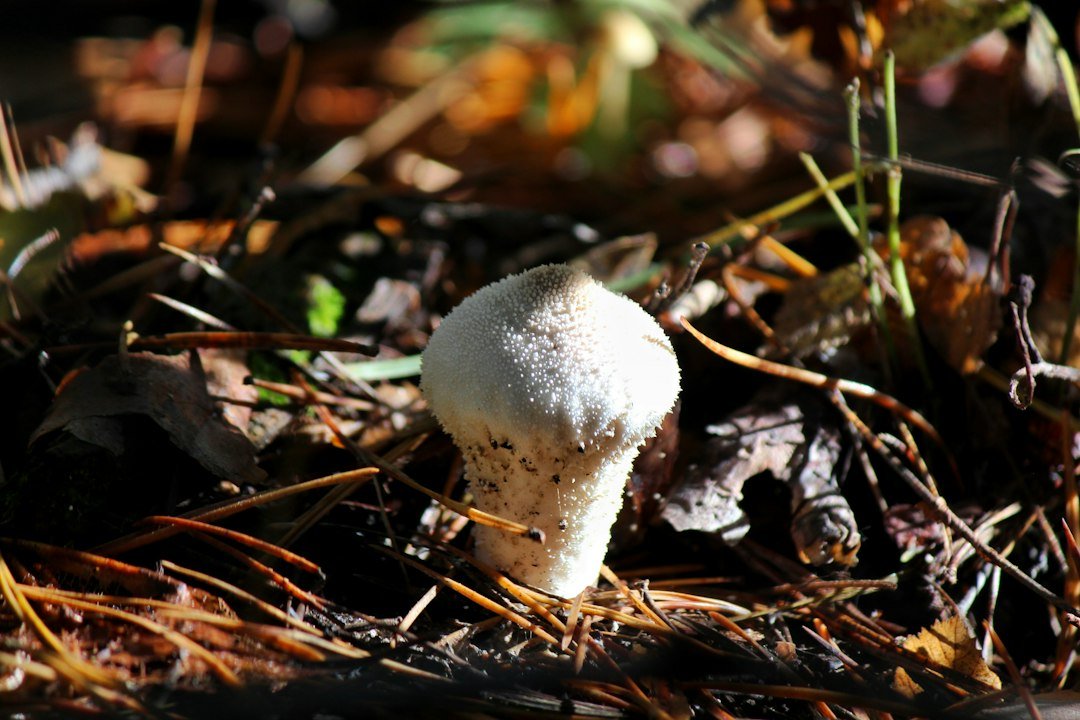
- The cap should still be round and unopened, not flared out flat
- The stem should look white, firm, and dense
- Avoid mushrooms with a soft or hollow-feeling stem, which suggests they’re past their best
A closed cap generally signals a younger, fresher mushroom, since matsutake caps open up as they age. Firmness in the stem is also a quick, practical way to judge quality on the spot.
Matsutake vs. Everyday Mushrooms in Korea
It helps to put matsutake in context next to the mushrooms Koreans cook with on a regular basis. Shiitake mushrooms, called pyogo-beoseot in Korean, and oyster mushrooms, known as neutari-beoseot, show up constantly in everyday dishes like soups, stir-fries, and grilled side dishes.
Both are widely available and commonly used precisely because they can be farmed reliably. Matsutake sits at the opposite end of that spectrum, prized partly because it can’t be mass-produced the same way.
If you’re curious about other Korean dining customs while you’re exploring seasonal food, our guide to Korean BBQ etiquette is a useful companion read for navigating restaurant menus in general.
A Few Practical Notes Before You Go Looking
Since matsutake mushroom season depends entirely on nature’s timing, availability can differ from what you might expect based on the calendar alone. A cold snap or heavy rain can shift the peak days earlier or later than usual.
If you’re planning a trip specifically to try it, checking closer to your travel dates is more reliable than relying on general season dates alone. Traditional markets and some larger grocery stores tend to carry matsutake during the season.
- Ask vendors directly about the day’s harvest, since quality can change daily
- Expect price tags to vary noticeably by grade, size, and even the week you visit
- Don’t assume the most expensive-looking mushroom is automatically the best; check the cap and stem yourself
Because supply is unpredictable by nature, there’s no fixed price you can expect to see. Treat any number you’re quoted as specific to that day, that vendor, and that year’s harvest.
Trying matsutake during its short window is less about hunting for a bargain and more about catching a genuinely seasonal experience. Prices and availability vary quite a bit, so it’s worth checking with a local market or restaurant once you’re actually in Korea and closer to your travel dates.