Blog

  • Boiler Won’t Turn On in Korea: What to Check Before Calling Service

    Boiler Won’t Turn On in Korea: What to Check Before Calling Service

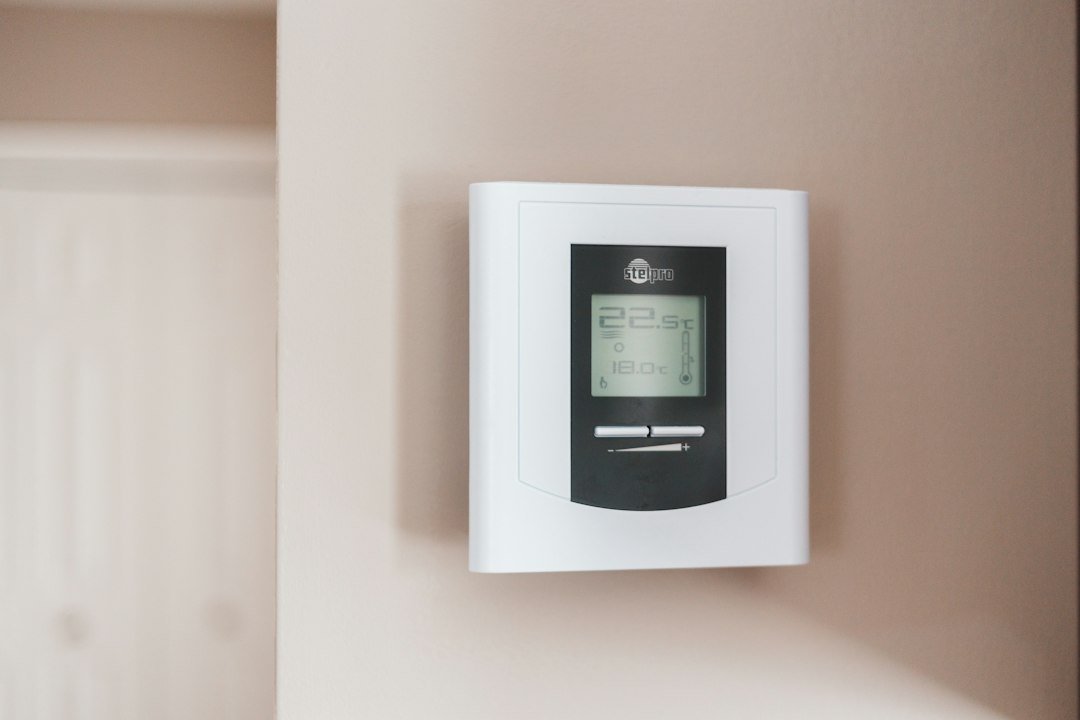
    If your boiler won’t turn on, start by looking at the room thermostat on your wall. Before calling a repair line, there are a few simple things worth checking on your own.

    This guide walks through a few basic checks. None of them require opening the boiler. If something feels off at any point, stop and call a professional instead.

    Boiler Won’t Turn On? Start With the Thermostat and Plug

    The first thing to check is the thermostat screen. See whether it’s completely dark, and separately, whether the boiler unit itself is still running or making any sound. A dark thermostat does not always mean the whole boiler is off — sometimes it’s just the display panel.

    Next, look at the power plug if your boiler has one you can reach. Check that it’s pushed firmly into the outlet.

    • If the plug or outlet shows burn marks, moisture, or a burning smell, do not touch it.
    • Ask a professional to look at it instead.
    • If everything looks normal, move on to the breaker.

    Check the Breaker and Outlet Before Calling Anyone

    Go to your home’s breaker panel and look for the switch connected to the boiler. Check whether the breaker has tripped.

    If it keeps tripping, don’t keep resetting it. Contact an electrician.

    If the outlet itself looks fine, try plugging in a small, safe appliance to test it.

    • If that small appliance doesn’t work either, the problem may be the outlet or the electricity supply to that line.
    • If the appliance works fine but the boiler still won’t turn on, the unit itself likely needs inspection.
    • Either way, this is the point where calling for service makes sense.

    One more thing: don’t open or take apart the boiler yourself, even if you feel confident. Readers who want to understand how the heating system is supposed to work day to day might find How to Use Korean Ondol Floor Heating: The Boiler Panel Explained useful as background.

    What Your Symptoms Might Mean

    Here’s a simple way to read what you’re seeing, written cautiously since only a technician can confirm the actual cause.

    Situation What it suggests Next step
    No power at all (thermostat and unit both dark) Could be the plug, outlet, or breaker Work through the plug, breaker, and outlet checks above
    Power on but not heating May be an issue with the unit itself rather than power supply Contact your boiler brand’s support line for inspection

    Related Boiler Troubleshooting Guides

    Boiler has power but shows an error code?
    Check the meaning of your error code by brand and model.
    Korean Boiler Error Codes: Navien, Kiturami, Rinnai & Daesung

    Boiler is on, but there’s no hot water?
    Follow these checks to identify possible hot water problems.
    No Hot Water in a Korean Apartment? 5 Things to Check First

    Water or heating stopped during freezing weather?
    Check whether frozen pipes could be causing the problem.
    Frozen Pipes in Korea: No Water or Heat? What to Do

    When Not to Check It Yourself

    Some signs mean you should stop checking anything and act immediately. If you smell gas, don’t operate any electrical switches.

    • Don’t use a lighter or any flame.
    • Get everyone out of the space right away.
    • Once you’re outside and safe, contact your gas supplier, or call 119, Korea’s fire and emergency number.

    Burn marks, moisture, or a burning smell at a plug or outlet are also a stop sign. In that case, skip the remaining checks entirely and call a professional instead of continuing on your own.

    Who to Call: Boiler Brand Support Lines in Korea

    Look at the boiler unit or the thermostat for a printed brand name — this tells you which line to call. These are all Korean-language phone lines, and the official websites are in Korean too.

    If you don’t speak Korean, it may help to have a Korean-speaking friend, coworker, or landlord nearby when you call.

    Brand Phone Notes
    Kyungdong Navien (경동나비엔) 1588-1144 Support line operates 365 days, 24 hours, per the official page. The Korean site (navienhouse.com/support) has A/S request, self-diagnosis, 1:1 inquiry, live chat, and branch-finder menus.
    Kiturami (귀뚜라미) 1588-9000 A self-diagnosis page is available on the Korean site at krb.co.kr/self.
    Rinnai Korea (린나이) 1544-3651 The Korean support page notes that visits are a paid service, and advises calling ahead before a visit.
    Daesung Celtic (대성쎌틱) 1588-8577 Hours are 9:00 to 18:00, with a lunch break from 12:00 to 13:00. The FAQ page is at celtic.co.kr, and a KakaoTalk chat channel is also offered.

    Before You Call: A Quick Checklist

    Having a few details ready can make the call easier, especially if you need help translating.

    • The brand name printed on the unit or thermostat.
    • The model name, also usually printed on the unit.
    • When the problem started, as specifically as you can recall.
    • Which of the checks above you’ve already tried.
    • Whether you noticed any gas smell, burn marks, or moisture anywhere near the boiler.

    This guide reflects information checked from official brand support pages as of October 15, 2026. Service hours, phone numbers, and site details can change, so it’s worth confirming the latest information directly on each brand’s official support page before you call.

    Photo by Erik Mclean on Unsplash
  • T-money Card: How to Buy, Top Up and Use It in Korea

    T-money Card: How to Buy, Top Up and Use It in Korea

    If you’re planning a first trip to Korea, a T-money card is one of the things to sort out before you ride the subway or a bus. It’s a rechargeable card you tap on a reader to pay for transit. This guide covers where to buy one, how to top it up, where it works and what to do with leftover balance before you fly home.

    What Is a T-money Card?

    A T-money card is a rechargeable transit card. According to VISITKOREA, the Korea Tourism Organization’s official travel site, this information was last updated in August 2026 and may change, so it’s worth checking before your trip.

    The card itself costs between 3,000 and 5,000 won, with 5,000 won listed as the general price. You load money onto it before using it, then tap the card on a reader to pay.

    • Works on subways and buses in Korea
    • Can be used for purchases at shops showing the T-money logo

    Where to Buy and Top Up a T-money Card

    You can pick up a T-money card at convenience stores, including GS25, CU, 7-Eleven and MINISTOP — the same stores worth browsing for Korean convenience store snacks while you’re there. It’s also available at passenger service centers inside Seoul Metro stations on lines 1 through 8.

    Topping up is a separate step from buying the card. Subway ticket machines can add money to a card you already own, up to a maximum of 500,000 won, but VISITKOREA notes they can’t sell you a new card.

    Travelers under 18 should mention their date of birth when buying the card at a store. Registering it this way allows access to reduced fares tied to age.

    • Buy at convenience stores or subway passenger service centers
    • Top up at subway ticket machines, up to 500,000 won
    • Machines top up balance only — they don’t sell new cards
    • Under-18 travelers: register date of birth for reduced fares

    Where Your T-money Card Works

    Beyond subways and city buses, VISITKOREA lists several other places the card works. It can be used on toll roads, public phones, vending machines and at shops displaying the T-money logo.

    Transit coverage extends to taxis, express buses, intercity buses and trains in some cases. Some of these may require a separate fare payment on top of the card, so check before you board rather than assuming it’s automatically covered.

    Transfer discounts exist between connecting rides on the T-money card system. VISITKOREA doesn’t list a specific discount amount or time window in its current update, so confirm the details if this matters for your itinerary.

    Getting a Refund

    Before leaving Korea, you can return any unused balance on your T-money card. According to VISITKOREA, where you do this depends on how much money is left.

    • Balance over 50,000 won: refund at T-money Town (Seoul Station, Exit 10)
    • Balance under 50,000 won: refund at convenience stores

    VISITKOREA’s current update doesn’t list a refund fee, so check the terms at the point of refund before assuming the full amount comes back.

    Tourist Alternatives to a Standard T-money Card

    If you expect to ride a lot in a short time, Korea also offers a few passes built on the T-money system. Here’s what VISITKOREA lists for each option.

    Card Price What VISITKOREA Says
    Mpass (T-money tourist card) 1 day 15,000 won; 2 days 23,000; 3 days 30,500; 5 days 47,500; 7 days 64,500 Up to 20 trips a day on Seoul Metro, Seoul buses and the airport railroad (direct express excluded). Valid 30 days from issue. Cash only. 3,000 won off if bought after 5 p.m. Issued and returned at T-money Town.
    Climate Card Card 3,000 won; passes: 1 day 5,000; 2 days 8,000; 3 days 10,000; 5 days 15,000; 7 days 20,000 Unlimited rides on Seoul Metro (excluding the Shinbundang Line and GTX) and Seoul city buses, including night buses. Cash or Korean-issued cards only. Exiting outside the coverage area costs extra. The 30-day pass option ended October 1, 2026, per VISITKOREA. Travelers without a Korean bank account must visit T-money headquarters for refunds.
    EZL From 4,000 won Sold at GS25, CU, 7-Eleven and Emart24. Refundable in store if the balance is under 20,000 won.
    WOWPASS 5,000 won Requires a passport to issue. Supports 15 currencies.

    The options differ in price, where they work and how you pay or get a refund, so compare the table against your own plans before buying.

    A Quick Checklist for First-Timers

    • Buy your T-money card at a convenience store or Seoul Metro passenger service center
    • Top up the balance before heading to the platform or bus stop
    • Tap in when boarding and tap out when leaving, every time
    • Refund any leftover balance before departure — the location depends on how much is left

    Cards, prices and terms around the T-money card system can change over time. VISITKOREA last updated this information in August 2026, so confirm current details on the VISITKOREA website or at the point of sale before you travel.

    Photo by Jin-Woo Lee on Unsplash

  • Types of Kimchi: A Beginner’s Guide to Korean Varieties

    Types of Kimchi: A Beginner’s Guide to Korean Varieties

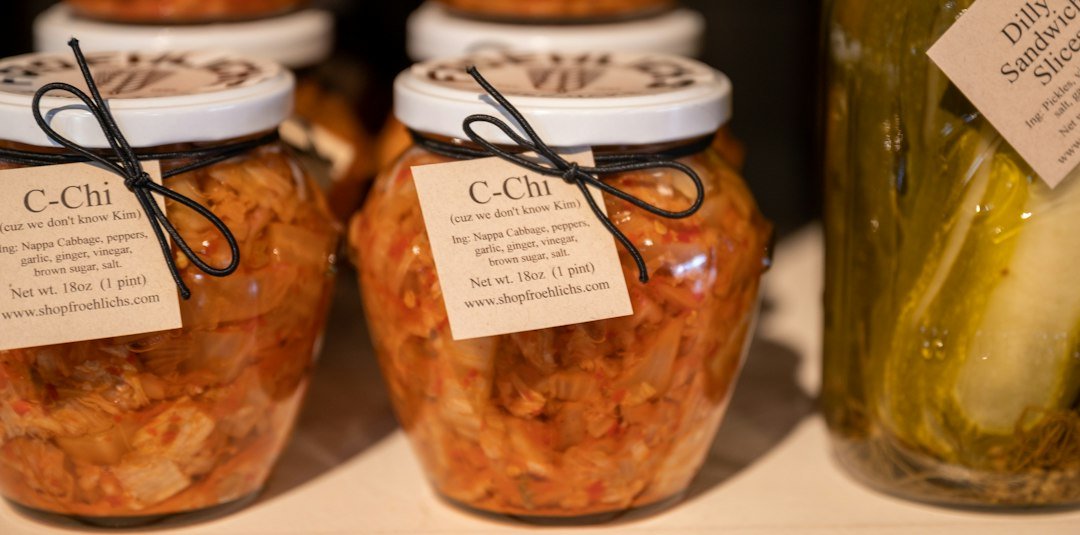
    Kimchi is a dish of preserved vegetables seasoned with spices and fermented seafood, and there are far more types of kimchi than the spicy red cabbage side dish most people picture first. According to UNESCO, kimchi has been a staple across social classes and regions in Korea, and it is also something households traditionally share with each other. The practice of making large batches in late autumn, called kimjang, was inscribed on UNESCO’s Representative List in 2013.

    What Is Kimchi, and How Many Types of Kimchi Exist?

    The World Institute of Kimchi explains that kimchi starts with salting raw vegetables, such as cabbage or radish. The institute also notes that a Codex Alimentarius international standard for kimchi was certified in 2001.

    One detail the institute highlights is that kimchi is the only food with both a primary and a secondary fermentation step.

    As for numbers, The Korea Times reported in 2022, with help from the World Institute of Kimchi, that there are more than 200 types of kimchi in Korea according to experts. Ingredients and regional habits shape each version. The same report mentions other examples like cucumber, water parsley, dandelion, pumpkin, and tomato kimchi, which shows how wide the category really is.

    Eight Types of Kimchi Every Beginner Should Know

    Britannica and Visit Seoul both describe a smaller set of well-documented varieties. Here are eight worth knowing before your next Korean meal.

    Type Main ingredient What sets it apart
    Baechu kimchi Napa cabbage Salted, rinsed, and coated in seasoning with red pepper flakes; can be eaten fresh and juicy or aged and more sour
    Baek kimchi Radish, chestnuts, and fruit (no chili) Made with garlic, chives, radish, chestnuts, and fruit like Korean pear and jujube, in a fruit-tinged brine
    Kkakdugi Korean radish (mu) Cubed, juicy, and crunchy; Britannica says it is traditionally eaten with seolleongtang (ox bone soup)
    Chonggak kimchi Small white radish with greens Prepared whole with its “ponytail” greens; seasoned with chili flakes, ginger, garlic, and green onion
    Oi sobagi Small cucumbers Stuffed with chopped vegetables; crisp and spicy; Britannica says it is best in summer and keeps only a few days
    Nabak kimchi Radish, carrot, green onion, napa cabbage Mildly spicy pear-based brine; Britannica says it is ready in a few days and pairs with oily or grilled food
    Dongchimi Salted radish in water Peppers, garlic, ginger, and Korean pear in a fizzy, sweet-sour liquid, drunk alone or used as a cold-noodle base
    Gat kimchi Korean mustard leaves and stems Made with pickled anchovy sauce, chili, garlic, onion, and ginger; sharp and pungent

    Cabbage, Radish, Water-Based, and Leafy: How the Types of Kimchi Compare

    Grouping these eight varieties by main ingredient makes the lineup easier to remember.

    • Cabbage-based: baechu kimchi is the classic napa cabbage version. Baek kimchi is a chili-free kimchi made with garlic, chives, radish, chestnuts, and fruit.
    • Radish-based: kkakdugi and chonggak kimchi both use radish, cubed in one case and left whole with greens in the other.
    • Cucumber and water-based: oi sobagi uses cucumber, while nabak kimchi and dongchimi rely on a watery, pear-sweetened brine.
    • Leafy: gat kimchi stands apart for its use of mustard leaves instead of cabbage or radish.

    Texture and serving style vary by group. Kkakdugi is described as crunchy, and dongchimi is a sweet-sour liquid that can be drunk on its own.

    Regional Kimchi, Fish Sauce, and Vegan Options

    A 2004 Korea JoongAng Daily article described several kimchi traditions tied to specific regions, though local practices may have changed since then. It mentioned Dolsan mustard leaf kimchi from Jeolla, Hamyang sesame leaf kimchi from Gyeongsang, and Gamdongjeot radish kimchi from Seoul.

    The same article covered Chojeong Yaksu dongchimi from Cheongju in Chungcheong, and myeongtae (pollock) kimchi from Yangyang in Gangwon, which uses pollock broth instead of fish sauce. These regional names give a sense of how varied kimchi-making can be across the country.

    Many types of kimchi use fish sauce or other seafood in the seasoning, which matters for readers with dietary restrictions. Britannica notes that Buddhist temple kimchi is prepared as a vegan version, leaving out garlic, onions, leeks, and chives as well as animal products. If you need to avoid fish sauce or alliums, it’s worth asking the restaurant directly or checking the label before ordering.

    A Few Tips Before You Try More Types of Kimchi

    Don’t expect every kimchi to taste the same once you move past the cabbage version. Water-based types like nabak kimchi and dongchimi are served in a liquid, and nabak is mildly spicy while dongchimi is sweet-sour. Gat kimchi is described as sharp and pungent, while baek kimchi has no chili at all.

    If you’re curious about how kimchi fits into a bigger meal, our kimjang bossam guide covers how freshly made kimchi gets served alongside boiled pork. And if raw seafood dishes interest you too, our ganjang gejang explainer looks at another Korean dish built on curing and seasoning.

    Keep in mind that recipes and preferences differ from household to household, and from region to region. What one family calls their kimchi may look and taste different a town over.

    Photo by Herry Sutanto on Unsplash

  • Ganjang Gejang: Soy-Marinated Raw Crab, Explained

    Ganjang Gejang: Soy-Marinated Raw Crab, Explained

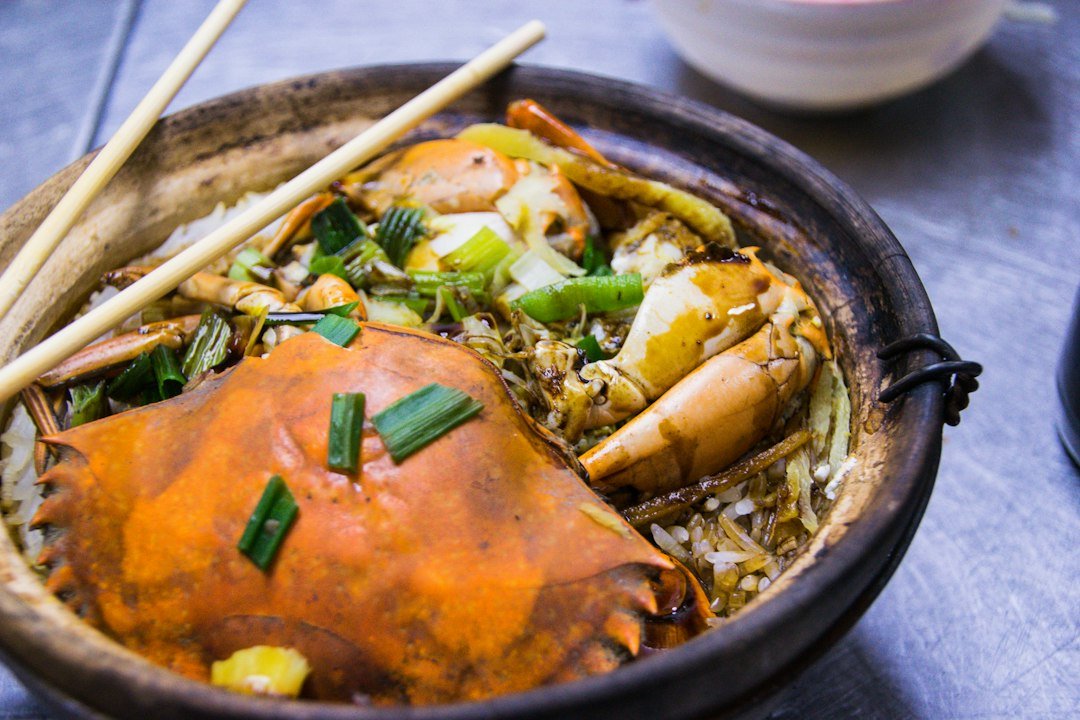
    Ganjang gejang is a Korean dish made by curing raw crab in a mild soy sauce based brine. It is eaten with steamed rice. According to The Korea Herald, the dish traditionally uses fresh blue crabs, known in Korean as kkotge.

    The Korea Herald notes that ganjang gejang began as a regional specialty in Korea’s coastal provinces. Over time, it became popular across the country.

    The Korea Herald (2018) describes the general method in broad terms: the soy brine is strained, boiled, and poured over the crabs several times across a few days. This post does not give exact amounts or timing.

    Seoul Economic Daily, citing TasteAtlas, describes the dish simply as blue crab marinated in a soy sauce that has been boiled with various ingredients, then aged. The crab itself is raw.

    Why Ganjang Gejang Is Called a “Rice Thief”

    Koreans have a nickname for this dish: bapdoduk, which translates to “rice thief.”

    The Korea Herald (2018) gives two reasons the nickname fits ganjang gejang. First, the salty brine pairs with rice, so people eat extra rice to balance the saltiness. Second, the dish is simply hard to stop eating once you start.

    • Bapdoduk means “rice thief” in Korean
    • Salty brine encourages eating more rice alongside it

    Seoul Economic Daily adds that the combination of savory soy sauce and sweet crab meat is what earned the dish this reputation.

    Ganjang Gejang vs. Yangnyeom Gejang

    There are two main versions of marinated crab in Korea. TasteAtlas, as cited by Seoul Economic Daily, distinguishes them by their base: soy sauce or spicy chili sauce.

    Ganjang gejang uses the soy based brine described above. Yangnyeom gejang swaps that brine for a spicy red sauce. The Korea Herald (2018) notes that for yangnyeom gejang, crabs are opened and cut into pieces before marinating, so the sauce coats the meat evenly.

    Type What It Is
    Ganjang Gejang Raw crab cured in a soy sauce based brine
    Yangnyeom Gejang Crab cut into pieces and marinated in spicy red sauce


    How Ganjang Gejang Is Eaten

    The Korea Herald (2024) says this dish is mainly eaten with rice. It calls the top shell the best part of the meal, where roe and tomalley, the creamy brown substance inside the shell, mix with a spoonful of rice.

    The Korea Herald (2013) offers a few practical tips worth knowing before you try it. Diners are advised to save a spoonful or two of rice specifically for the top shell. Meat is sucked from the shell, and claws are broken open with a cracker.

    • Save some rice for mixing with roe and tomalley in the top shell
    • Meat is sucked directly from the shell
    • Claws are typically cracked open with a tool
    • The Korea Herald (2018) notes restaurants often provide plastic gloves, since the brine can leave a smell on hands

    These are habits described by The Korea Herald, not universal rules. Practices can differ from one restaurant to another.

    When Is Ganjang Gejang in Season?

    According to The Korea Herald (2018), female crabs carrying roe are considered best in late spring. In autumn, preference shifts toward male crabs, which are fatter at that time of year. The Korea Herald (2013) also points to autumn as a good season for male crabs.

    That said, the 2018 article also mentions that frozen crabs are used today as well. This means ganjang gejang can be found year round, not only during these peak windows.

    • Late spring: female crabs with roe, according to The Korea Herald
    • Autumn: fatter male crabs, according to The Korea Herald
    • Frozen crab use means the dish is available outside these seasons too

    Why Ganjang Gejang Is in the News

    Seoul Economic Daily reported on July 6, 2026, that TasteAtlas ranked ganjang gejang first in its World Best Crab Dishes list, released in June 2026. The dish reportedly scored 4.2 out of 5 on that list.

    The same report notes that foreigners have traditionally been hesitant about eating raw crab.

    The Korea Herald (2024) offers a related observation: the bold, raw, and slightly briny flavors of ganjang gejang may be an acquired taste for some people. That’s worth keeping in mind if you’re trying it for the first time.

    A Note for First-Timers

    Ganjang gejang is served raw. If you have questions about eating raw seafood, it’s worth asking the restaurant directly or checking official health guidance in your situation.

    If you are curious about another Korean dish, our kimjang bossam guide covers boiled pork eaten with fresh kimchi.

    Not everyone will love ganjang gejang right away, and that’s fine. Flavor preferences vary, and so do how individual restaurants prepare and serve it.

    Photo by Vernon Raineil Cenzon on Unsplash

  • Kimjang Bossam: Why Boiled Pork Meets Fresh Kimchi

    Kimjang Bossam: Why Boiled Pork Meets Fresh Kimchi

    Every late autumn, many Korean households make kimchi in large batches for the long winter. This tradition is called kimjang, and UNESCO added it to its Representative List of the Intangible Cultural Heritage of Humanity in 2013. In many households, a pot of boiled pork joins the table that day. That dish is the star of this post: kimjang bossam.

    What Is Kimjang?

    Kimjang is the making and sharing of kimchi in large quantities, a community tradition. UNESCO describes it as a late-autumn custom that helps households have enough kimchi for the long winter. According to Korea JoongAng Daily, kimjang usually takes place between November and December.

    • Kimjang centers on making baechu kimchi, a napa cabbage kimchi.
    • It is traditionally a group activity rather than a solo kitchen task.

    Great British Chefs describes kimjang as the day when Korean families make a large batch of baechu kimchi together, and notes that it is traditional afterward to drink makgeolli, a milky rice wine, while eating suyuk and fresh kimchi. That “afterward” meal is where kimjang bossam comes in.

    Suyuk and Bossam: Two Different Words for the Same Table

    Suyuk and bossam are closely related, but they are not quite the same thing. Getting this straight makes the rest of kimjang day easier to follow.

    Suyuk is the boiled pork itself, typically shoulder or belly cut into slices. Bossam, according to SBS Food, refers to the way that meat is eaten: wrapped in a salted cabbage leaf or lettuce leaf, rather than the meat on its own.

    • Suyuk = the boiled pork.
    • Bossam = the act of wrapping that pork (plus kimchi) in a leaf before eating it.
    • Korea’s government media outlet KOCIS notes that bossam once referred to a Gaeseong-style kimchi dish, but the word is now commonly used for kimchi served together with boiled pork.

    So when people talk about “eating bossam” on kimjang day, they usually mean taking a piece of suyuk, adding a bit of freshly made kimchi, and wrapping both in a cabbage leaf. KOCIS describes this exact combination: a slice of pork and fresh kimchi wrapped together in a salted napa cabbage leaf.

    Why Pork Shows Up on Kimjang Day

    It’s a fair question: why boiled pork, specifically, on a day that is all about cabbage kimchi? Herald Business, a Korean press outlet, reported in October 2025 that suyuk is a dish that regularly appears when people gather for kimjang. The article also cited a Korean kimchi master who lists suyuk alongside kimjang kimchi among her recommended food pairings.

    One Korean food writer explains the practical reason behind this. On kimjang day, the salted cabbage and seasoned radish are already being prepared as part of the kimchi-making process itself. That means only the pork needs to be boiled.

    • Customs can vary by region and by family, and no single source covers every regional difference.
    • Kimjang bossam should not be assumed to be the only food served on kimjang day, just a common one.

    How Kimjang Bossam Is Eaten

    The pork is served with fresh kimchi, called baechu-geotjeori, made that same day.

    The eating method follows a simple pattern: take a salted napa cabbage leaf, add a slice of suyuk, top it with a bit of fresh kimchi, and wrap it up before eating. Wrapping meat in a leaf before eating it is a habit that shows up elsewhere in Korean dining too, and if you want the fuller picture of how leaf-wrapping works at the grill, our Korean BBQ etiquette guide covers it in more detail.

    • The wrapping leaf is typically a salted napa cabbage leaf.
    • Lettuce can also be used as the wrapping leaf, per SBS Food.
    • Great British Chefs mentions makgeolli as a traditional drink to go with this meal.
    What What it is
    Kimjang kimchi Large batch of baechu (napa cabbage) kimchi made and shared on kimjang day
    Suyuk Boiled pork, usually shoulder or belly, served in sliced pieces
    Bossam The way suyuk is eaten: wrapped with fresh kimchi in a salted cabbage or lettuce leaf

    Where to Learn More: Museum Kimchikan

    For a deeper look at kimjang culture, Museum Kimchikan in Insa-dong, Seoul, is dedicated to kimchi and kimjang traditions. According to its official English site, the museum is open Tuesday to Sunday from 10:00 to 18:00, with last admission at 17:30.

    It is closed on Mondays, January 1, Lunar New Year holidays, Chuseok holidays, and Christmas Day. The museum’s English site also features an online exhibition called “Essential Guide to Kimjang.” Programs, prices, and English-language availability can change, so check the official site or contact the museum directly before planning a visit.

    Kimjang bossam isn’t a fixed recipe with one correct way of doing things. It’s a custom that bends to whatever each family or region has always done around their kimchi tubs, and that variation is part of what makes it worth experiencing firsthand.

    Photo by Iuliia Pilipeichenko on Unsplash

  • Preventing Frozen Pipes in Korea: A Winter Checklist for Renters

    Preventing Frozen Pipes in Korea: A Winter Checklist for Renters

    Your first Korean winter as a renter can catch you off guard, especially the morning you turn on the tap and nothing comes out. Frozen pipes in Korea are a winter risk worth preparing for, and knowing the basics before the cold really sets in saves a lot of stress later.

    Most of this comes down to a few habits and a bit of insulation. None of it is complicated, but it helps to know the Korean terms, since that’s what you’ll see on signs, in building notices, or when you talk to your landlord.

    What Causes Frozen Pipes in Korea

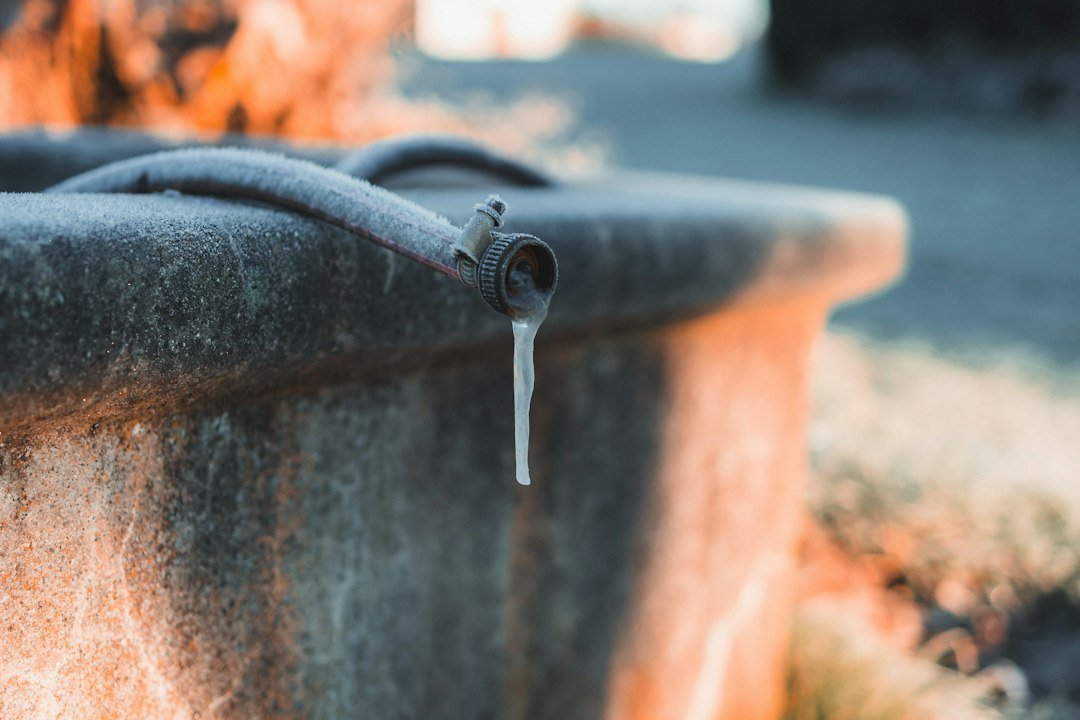
    Koreans call this problem dongpa (동파), which refers to water pipes freezing and sometimes bursting. It happens when the water in a pipe gets cold enough to freeze.

    Frozen pipes can occur even when temperatures are above -5°C. According to Seoul City’s guidance, the risk becomes more serious when temperatures remain below -10°C for two days or longer.

    Treat these numbers as general guidance rather than a strict rule. Always pay attention to local cold-wave warnings for your area.

    • Dongpa (동파) means pipes freezing, and sometimes bursting
    • Freezing can occur even above -5°C, and the risk becomes more serious after two days or longer below -10°C
    • Follow local cold-wave warnings

    Where Frozen Pipes in Korea Usually Start

    Frozen pipes in Korea tend to start wherever water sits exposed to outside air. These tend to be parts of a building that get little indoor heat.

    Not every home has all of these features. Walk around your own building once and see which of these actually apply to you.

    • Gyeryanggi-ham (계량기함), the water meter box
    • Outdoor water pipes
    • The washing machine’s water supply pipe
    • Boiler pipes

    A Practical Winter Checklist

    Once you know where the risk sits, the fixes are mostly about insulation and a couple of daily habits. Here’s a simple checklist to work through before a cold wave hits.

    What What to do
    Water meter box (계량기함) Fill the empty space inside with old clothes, bubble wrap, or styrofoam. Seal the lid and any gaps with plastic or tape.
    Exposed pipes Wrap outdoor water pipes, washing machine pipes, and boiler pipes with insulation material.
    During a cold wave Open the tap slightly so water flows in a thin, continuous stream.
    Going out for a long time Don’t switch the boiler off completely. Keep the power connected and lower the indoor temperature instead.

    Don’t turn off the boiler completely during freezing weather. Keep the power connected and lower the indoor temperature when you go out, following your boiler manufacturer’s instructions. Freeze-protection features vary by model.

    If you’re not sure how your boiler panel works, our ondol floor heating guide walks through the buttons and settings in detail.

    If a Pipe Freezes or Bursts Anyway

    Even with every precaution, pipes can still freeze during a hard cold snap. Knowing the first few steps keeps a bad situation from getting worse.

    • If a pipe bursts or starts leaking, turn off the water supply if you can do so safely. Never force a frozen valve.
    • If a pipe or water meter freezes, follow the official guidance for the affected part. Avoid open flames, boiling water, and electrical heating devices near wet areas.
    • If you notice cracks or leaks, contact your landlord or building management office. You can also report it to the local waterworks office.

    As a renter, contact your landlord or building management as soon as you notice a problem. Don’t wait to see if it resolves on its own.

    Every building is set up a little differently, and winter habits that work for one apartment may not fit another. When in doubt, ask your landlord or building management how your specific building handles cold-weather plumbing, and keep that answer somewhere you can find it quickly if a pipe ever freezes.

    For step-by-step guidance when water or heating has already stopped, read our Frozen Pipes in Korea: No Water or Heat? What to Do.

    Sources and References

    Photo by Anna Maria Gnadl on Unsplash

  • How to Use Korean Ondol Floor Heating: The Boiler Panel Explained

    How to Use Korean Ondol Floor Heating: The Boiler Panel Explained

    You walk into your Korean apartment on a cold night, sit down on the floor, and wait. Nothing happens. The floor stays cold, and the little panel by the front door is covered in Korean characters you can’t read yet. This is a common puzzle for newcomers to ondol floor heating, and the good news is that it only takes a few minutes to understand once someone explains it clearly.

    What Is Ondol Floor Heating, Really?

    Ondol is Korea’s traditional underfloor heating method. In modern apartments, a gas or electric boiler heats water, and that hot water circulates through pipes running under the floor.

    Instead of warming the air like a radiator does, the floor itself becomes warm and heats the room from the ground up. In everyday conversation, Koreans often just use the word “ondol” to mean home heating in general, even though the actual system is boiler-based.

    The same boiler usually does double duty: it heats the floor and also supplies hot water for your shower and sink. Both functions are controlled from one wall panel, typically placed near the front door or somewhere in the hallway.

    • Ondol heats the floor directly, not the air
    • One boiler often handles both floor heating and hot water
    • The control panel is usually near the entrance or hallway
    • Most panels are labeled only in Korean

    Decoding the Ondol Floor Heating Panel

    Every panel looks a little different, but several button names show up again and again. Learning these few words clears up much of the confusion.

    Korean Romanization What it usually means
    전원 jeonwon Power on/off
    난방 nanbang Heating. On some panels this sets room temperature, on others it sets the floor pipe water temperature
    온수 onsu Hot water for showers and taps
    외출 oechul Away mode
    예약 yeyak Schedule or timer
    난방끔 nanbang-kkeum Turns off floor heating only, while the system stays powered on. Not every panel has this button

    Panel layouts and button names can differ between brands, so don’t assume yours matches exactly. If your panel looks different from this list, it’s worth asking your landlord to walk you through it once.

    Away Mode vs. Turning Everything Off

    One detail trips up a lot of newcomers: 외출 (oechul), or away mode, does not shut the boiler down completely. It keeps the system running at a low level, mainly to stop the pipes from freezing and to save energy while you’re out.

    In winter, it’s better to switch to away mode when you leave rather than turning the heating off entirely. Fully powering down the system in cold weather can leave pipes vulnerable.

    • Away mode keeps a low background temperature running
    • It is meant for freeze prevention and energy saving, not full shutdown
    • Use away mode instead of full power-off during winter outings

    Seasonal habits matter too. Many people in Korea choose hot-water-only mode in summer, so the floor doesn’t heat up while they still get hot showers. In winter, they switch to heating plus hot water together.

    Why Is My Floor Cold? A Quick Checklist

    If your floor should be warm but isn’t, work through a short checklist.

    • Check that the panel is actually set to heating, not away mode or hot-water-only
    • Check that the target temperature is set high enough
    • In a rental or guesthouse, the boiler may have been left in away mode between guests, so ask your landlord or host
    • Some apartments allow room-by-room control, so the heating might simply be set for a different room

    Asking your landlord or host directly is often the fastest fix. This kind of quick check applies to plenty of everyday apartment questions in Korea, similar to working out Korean trash sorting rules when you first move in — the system makes sense once someone shows you the local version.

    A classic companion habit in Korean winters is putting bubble wrap on windows. It’s a common way to help keep heat inside the room.

    One Safety Note

    If the boiler panel shows an error message or you smell gas, don’t try to fix it yourself. Contact your landlord or building management right away instead of experimenting with the panel.

    Panels, button layouts, and even house rules around heating can differ from one building to another. When in doubt, your landlord or building management is the best source for how your specific ondol floor heating system works.

    Photo by Nayanika Mukherjee on Unsplash

  • Korea Tax Refund for Tourists: What the 15,000, 1,000,000 and 5,000,000 Won Limits Mean

    Korea Tax Refund for Tourists: What the 15,000, 1,000,000 and 5,000,000 Won Limits Mean

    You’re standing at the register with a basket full of sunscreen and sheet masks. A cashier asks whether you want a tax refund, and the process involves your passport and sometimes the airport. If you’ve ever felt lost in that moment, you’re not alone. The Korea tax refund system has real limits attached to specific won amounts, and knowing what they mean before you shop saves you time at checkout and at the airport.

    This isn’t a store-by-store guide. If you want store-level shopping tips for a popular beauty chain, our Olive Young shopping guide covers that separately. Here, we’re focused on the numbers and the routes.

    The Basics of a Korea Tax Refund

    Foreign tourists can get the value-added tax (VAT) refunded on qualifying purchases made at participating Tax Free stores. The minimum purchase is 15,000 won per receipt. This is a change worth noting: the threshold was lowered from 30,000 won, so if you come across an older travel guide that still says 30,000 won, that information is outdated.

    A few conditions apply no matter which refund route you use:

    • Goods must be new, unopened, and unused when you leave the country.
    • You must take the items out of Korea within three months of the purchase date.
    • A physical passport is required at the store. A photo of your passport is often not accepted.
    • Long-term residents generally do not qualify for tourist tax refunds, so check with the store or customs if your status is unclear.

    Three Routes for Your Korea Tax Refund

    Once your purchase qualifies, you choose how to actually receive the money. There are three routes, and each one has its own purchase limit.

    Route Where Purchase limit What to know
    Immediate refund (in store) At the checkout counter 15,000 won minimum, under 1,000,000 won per payment; 5,000,000 won total per trip Tax is deducted on the spot. A payment of exactly 1,000,000 won does not qualify.
    Airport or port refund Refund kiosk or counter at departure No limit during the stay Used for purchases of 1,000,000 won or more, or for stores without immediate refund. All companies are accepted here.
    Downtown refund booth City refund counters before your flight Up to 6,000,000 won per receipt Only handles its own company’s refunds. You still need to report at the airport customs counter on departure.

    Notice that the airport route has no stay-long purchase cap, which is why it’s the fallback for bigger spending. The downtown option lets you take the refund before your flight, but you still report at the airport.

    How to Choose the Right Korea Tax Refund Route

    With three options on the table, picking one is mostly about your receipt amount and what the store offers.

    • Small and medium purchases at a store offering immediate refund: take it at checkout, it’s the simplest option.
    • A single payment of 1,000,000 won or more: use the airport or port route instead.
    • Store doesn’t offer immediate refund: ask for the refund receipt and claim the amount at the airport before you fly out.

    If you plan to use the airport route, build in extra time. Customs needs to confirm the goods are actually leaving Korea, so complete your refund step before checking your bags, and keep the purchased items accessible for inspection. Some travel guides suggest adding roughly 30 to 60 minutes on top of your normal airport buffer, which is a reasonable cushion rather than a fixed rule.

    Don’t Expect the Full 10 Percent Back

    Here’s where expectations often go wrong. The VAT rate itself is 10 percent, but the amount you actually receive through a Korea tax refund is lower than that full rate.

    The refund is less than the full VAT, and different sources report different effective rates. Rather than promising a specific number, the safer approach is simply this: budget for a partial refund, not a full 10 percent return on your receipt total.

    Common Mistakes That Cost Tourists Their Refund

    Common problems include the following. Keep these in mind while you shop and pack:

    • Opening or using the item before you leave Korea — refund eligibility requires it to stay unused.
    • Forgetting the three-month window between purchase and departure.
    • Assuming a payment of exactly 1,000,000 won qualifies for the in-store immediate refund (it doesn’t — the limit is strictly under that amount).
    • Showing up without a physical passport, since photos are often not accepted at the counter.
    • Arriving at the airport without extra time for the customs confirmation and kiosk steps.

    None of these mistakes are complicated to avoid once you know they exist.

    Tax refund rules and purchase limits can change over time, and this guide reflects the structure as it currently stands. Before your trip, it’s worth checking the current VisitKorea tax refund guidance, or asking the store or customs directly, just to confirm nothing has shifted since you last read about it.

    Photo by Jonathan Phillips on Unsplash

  • Korean Trash Sorting: A Practical Guide for Foreign Residents

    Korean Trash Sorting: A Practical Guide for Foreign Residents

    You just moved into a new place in Korea, finished unpacking, and now you’re standing over your kitchen trash can wondering what on earth to do with it. Can you just use a regular plastic bag? Where does the chicken bone go? Korean trash sorting trips up almost every new resident at first, but the logic behind it is actually pretty simple once someone walks you through it.

    The Bag Is Not Optional: Understanding Jongnyangje

    Korea has run on a Volume-Based Waste Fee system, known as jongnyangje (종량제), since 1995. The core idea is that you pay for waste disposal by the bag, not through a flat tax.

    In practice, this means general household trash has to go into an official jongnyangje bag (종량제 봉투), sold at convenience stores and supermarkets. You cannot just grab a free plastic bag from a store and toss your trash in it.

    Here’s the part that surprises a lot of foreigners: these bags are specific to your district, called a gu (구) in Korean. A bag bought in one district will not be accepted in another, even one right next door.

    • Buy jongnyangje bags locally, ideally near where you live
    • Check the size options, since bags usually come in a few different volumes
    • Keep a few on hand so you’re not caught without one on collection day

    If you’re stopping by a nearby convenience store anyway, it’s worth asking staff where the jongnyangje bags for your area are kept.

    The Five Categories of Korean Trash Sorting

    Once you understand the bag system, the next step is learning the categories. Korean trash sorting generally breaks down into five types.

    Category What Goes Here
    General waste Everyday trash that isn’t food or recyclable, in a jongnyangje bag
    Food waste Edible scraps, disposed separately via bin, RFID machine, or food-waste bag
    Recycling Paper, plastic, cans, glass, styrofoam
    Special waste Batteries, fluorescent lamps, small electronics
    Bulky waste Furniture and large appliances, with a disposal sticker or permit

    For recycling, a little prep work matters. Rinse out containers, remove labels and stickers where you can, and flatten boxes before putting them in a clear bag or your building’s labeled bin.

    Dirty or greasy containers can get your whole batch of recycling rejected, so this step isn’t just a nicety. For bulky items like a broken chair or an old refrigerator, you’ll need to buy a disposal sticker or permit through your district office before leaving it out.

    Food Waste: Where Most People Get Korean Trash Sorting Wrong

    Food waste sounds straightforward, but it’s actually one of the trickiest parts of Korean trash sorting. The category is meant for things that can be processed back into animal feed or compost, not just anything that came from your kitchen.

    A surprising number of food-related items actually belong in general waste, not food waste. This catches almost every new resident off guard at least once.

    • Bones of any kind, including chicken, fish, or pork bones
    • Shells and eggshells
    • Fruit pits and hard seeds
    • Coffee grounds and used tea bags

    All of these go into your general waste jongnyangje bag, not the food waste bin. It feels counterintuitive since they’re technically food, but they don’t break down the way vegetable scraps or rice do.

    Food waste itself is often handled through a dedicated bin, and in many buildings you’ll find an RFID machine that weighs your waste and charges based on that weight. Other buildings rely on designated food-waste bags instead, so check which system your building actually uses.

    Apartments vs. Smaller Buildings: Why Your Experience Will Differ

    Where you live changes how all of this plays out day to day. High-rise apartment complexes tend to have a dedicated recycling and waste area inside the complex itself.

    These areas often allow disposal nearly any time, with separate containers already set up for each category. That setup makes the whole process far more forgiving for beginners, since the categories are physically laid out in front of you.

    Smaller multi-unit buildings and standalone houses work differently. Collection days, bag requirements, and specific rules are set by the local district office, and they vary more from one building to the next.

    In these buildings, trash might only go out on certain days of the week, or get left in a shared spot on the street rather than inside a complex. That means the system you learn from a friend in a different neighborhood might not match your own building at all.

    When the Rules Don’t Match What You Expected

    Because Korean trash sorting rules shift by district and by building type, don’t assume what worked in one apartment applies everywhere. Collection schedules, exact food waste bag requirements, and fees are all set locally.

    Your landlord or building management office is often the fastest source of answers, especially for a new tenant. Many district (gu) office websites also publish local waste rules, sometimes with English information for international residents.

    It’s worth asking these questions in your first week rather than guessing:

    • Where do I buy jongnyangje bags for this specific district?
    • Does this building use an RFID food waste machine or designated bags?
    • What are the collection days for general waste and recycling?
    • Who do I contact for bulky waste disposal, like an old desk or mattress?

    It genuinely feels like a lot in the first month. But once you’ve internalized the five categories and know your building’s quirks, sorting trash becomes a quick, almost automatic habit rather than a weekly puzzle.

    Photo by Otto Freijser on Unsplash

  • Gaecheonjeol: What Is Korea’s National Foundation Day?

    Gaecheonjeol: What Is Korea’s National Foundation Day?

    If you check a Korean calendar in early October, you’ll notice October 3 marked in red. Offices close, schools are out, and banks post holiday notices. This is Gaecheonjeol, Korea’s National Foundation Day, and it’s one of the oldest dates on the modern Korean calendar in spirit, even though the holiday itself is rooted in a much older story.

    For visitors and newcomers, the name alone can be confusing. What does it actually commemorate, and why does it fall on a fixed solar date instead of following the lunar calendar like most traditional Korean holidays? Here’s what the day is really about.

    What Does Gaecheonjeol Mean?

    The word Gaecheonjeol (개천절) translates literally as “the day the sky opened” or “the day heaven opened.” It refers to the legendary moment when a divine order was believed to have descended to the human world, giving rise to the first Korean kingdom.

    Specifically, Gaecheonjeol marks the founding of Gojoseon, considered the first kingdom in Korean history. According to tradition, Gojoseon was founded in 2333 BCE by a figure named Dangun Wanggeom.

    • Gaecheonjeol = “the day the sky/heaven opened”
    • Commemorates the founding of Gojoseon, Korea’s first kingdom
    • Traditional founding date: 2333 BCE
    • Observed every year on October 3

    One detail surprises many people: unlike Chuseok or Lunar New Year, which shift each year based on the lunar calendar, Gaecheonjeol always falls on the same solar-calendar date. This was a deliberate choice made for convenience, fixing a mythic, pre-calendar event to a modern, practical date.

    The Legend Behind Korea’s National Foundation Day

    The story behind Gojoseon’s founding is one of the most well-known myths in Korean culture. It begins with Hwanung, a son of the heavenly god, who wished to live among humans.

    Hwanung descended to earth with 3,000 followers and began ruling over the world below. Soon after, a bear and a tiger approached him, both asking to be transformed into humans.

    Hwanung set a trial for them. The animals had to endure a period of hardship, and only one proved able to complete it.

    • The tiger failed to complete the trial and left
    • The bear endured it and transformed into a woman named Ungnyeo
    • Ungnyeo married Hwanung
    • Their son, Dangun Wanggeom, went on to found Gojoseon

    This myth isn’t treated as literal history in modern Korea. Instead, it functions the way founding myths do in many cultures: as a symbolic origin story that ties a nation’s identity to something larger than ordinary history.

    From 1909 to a National Celebration Day

    Gaecheonjeol’s status as an official holiday has its own modern history, separate from the ancient myth itself. The day was first promoted as a national commemorative occasion in 1909, well before Korea’s division or the establishment of its current government.

    After the Republic of Korea’s government was established in 1948, Gaecheonjeol was formally designated in 1949 as one of the country’s National Celebration Days, known in Korean as gukgyeongil (국경일). These are a small group of dates considered significant enough to represent the nation’s identity and history.

    At the time, Korea recognized four such days. A fifth, Hangul Day, was added later in 2005, honoring the creation of the Korean alphabet.

    Date National Celebration Day
    March 1 Independence Movement Day
    July 17 Constitution Day
    August 15 Liberation Day
    October 3 Gaecheonjeol (National Foundation Day)
    October 9 Hangul Day (added 2005)

    How Korea’s National Foundation Day Is Observed Today

    On Gaecheonjeol, government offices, schools, and most businesses close for the day. It’s a public holiday in the straightforward sense: a day off, not a day built around elaborate public events.

    The Ministry of the Interior and Safety holds an official commemorative ceremony to mark the occasion. Beyond that formal event, though, there isn’t a major nationwide festival tied to the date.

    • Public offices and schools are closed
    • A government commemorative ceremony takes place
    • Most Koreans experience it simply as a quiet day off
    • No major public festival is tied specifically to this date

    For many visitors, this comes as a surprise. Compared to the visible scale of Chuseok, Korea’s autumn harvest holiday, Gaecheonjeol tends to be a much lower-key date on the calendar.

    If you’re curious about that contrast, our Chuseok explainer covers what that holiday involves and why it looks so different.

    Where Gaecheonjeol Sits on the October Calendar

    Gaecheonjeol’s position in the calendar is worth noting for travelers planning a trip. It falls roughly three weeks after Chuseok and just six days before Hangul Day on October 9.

    That makes early-to-mid October a period with several notable dates clustered close together on the calendar.

    If you’re planning an autumn trip, it’s worth checking both holiday closures and seasonal conditions in advance. Timing your visit around these dates can affect everything from transportation availability to how crowded certain areas might be.

    Understanding Gaecheonjeol, then, isn’t just a history lesson. It’s practical context for anyone trying to make sense of Korea’s October calendar, and a small window into how the country chooses to commemorate its own origin story.

    Photo by FUTC on Unsplash