You just moved into a new place in Korea, finished unpacking, and now you’re standing over your kitchen trash can wondering what on earth to do with it. Can you just use a regular plastic bag? Where does the chicken bone go? Korean trash sorting trips up almost every new resident at first, but the logic behind it is actually pretty simple once someone walks you through it.
The Bag Is Not Optional: Understanding Jongnyangje
Korea has run on a Volume-Based Waste Fee system, known as jongnyangje (종량제), since 1995. The core idea is that you pay for waste disposal by the bag, not through a flat tax.
In practice, this means general household trash has to go into an official jongnyangje bag (종량제 봉투), sold at convenience stores and supermarkets. You cannot just grab a free plastic bag from a store and toss your trash in it.
Here’s the part that surprises a lot of foreigners: these bags are specific to your district, called a gu (구) in Korean. A bag bought in one district will not be accepted in another, even one right next door.
- Buy jongnyangje bags locally, ideally near where you live
- Check the size options, since bags usually come in a few different volumes
- Keep a few on hand so you’re not caught without one on collection day
If you’re stopping by a nearby convenience store anyway, it’s worth asking staff where the jongnyangje bags for your area are kept.
The Five Categories of Korean Trash Sorting
Once you understand the bag system, the next step is learning the categories. Korean trash sorting generally breaks down into five types.
| Category | What Goes Here |
|---|---|
| General waste | Everyday trash that isn’t food or recyclable, in a jongnyangje bag |
| Food waste | Edible scraps, disposed separately via bin, RFID machine, or food-waste bag |
| Recycling | Paper, plastic, cans, glass, styrofoam |
| Special waste | Batteries, fluorescent lamps, small electronics |
| Bulky waste | Furniture and large appliances, with a disposal sticker or permit |
For recycling, a little prep work matters. Rinse out containers, remove labels and stickers where you can, and flatten boxes before putting them in a clear bag or your building’s labeled bin.
Dirty or greasy containers can get your whole batch of recycling rejected, so this step isn’t just a nicety. For bulky items like a broken chair or an old refrigerator, you’ll need to buy a disposal sticker or permit through your district office before leaving it out.
Food Waste: Where Most People Get Korean Trash Sorting Wrong
Food waste sounds straightforward, but it’s actually one of the trickiest parts of Korean trash sorting. The category is meant for things that can be processed back into animal feed or compost, not just anything that came from your kitchen.
A surprising number of food-related items actually belong in general waste, not food waste. This catches almost every new resident off guard at least once.
- Bones of any kind, including chicken, fish, or pork bones
- Shells and eggshells
- Fruit pits and hard seeds
- Coffee grounds and used tea bags
All of these go into your general waste jongnyangje bag, not the food waste bin. It feels counterintuitive since they’re technically food, but they don’t break down the way vegetable scraps or rice do.
Food waste itself is often handled through a dedicated bin, and in many buildings you’ll find an RFID machine that weighs your waste and charges based on that weight. Other buildings rely on designated food-waste bags instead, so check which system your building actually uses.
Apartments vs. Smaller Buildings: Why Your Experience Will Differ
Where you live changes how all of this plays out day to day. High-rise apartment complexes tend to have a dedicated recycling and waste area inside the complex itself.
These areas often allow disposal nearly any time, with separate containers already set up for each category. That setup makes the whole process far more forgiving for beginners, since the categories are physically laid out in front of you.
Smaller multi-unit buildings and standalone houses work differently. Collection days, bag requirements, and specific rules are set by the local district office, and they vary more from one building to the next.
In these buildings, trash might only go out on certain days of the week, or get left in a shared spot on the street rather than inside a complex. That means the system you learn from a friend in a different neighborhood might not match your own building at all.
When the Rules Don’t Match What You Expected
Because Korean trash sorting rules shift by district and by building type, don’t assume what worked in one apartment applies everywhere. Collection schedules, exact food waste bag requirements, and fees are all set locally.
Your landlord or building management office is often the fastest source of answers, especially for a new tenant. Many district (gu) office websites also publish local waste rules, sometimes with English information for international residents.
It’s worth asking these questions in your first week rather than guessing:
- Where do I buy jongnyangje bags for this specific district?
- Does this building use an RFID food waste machine or designated bags?
- What are the collection days for general waste and recycling?
- Who do I contact for bulky waste disposal, like an old desk or mattress?
It genuinely feels like a lot in the first month. But once you’ve internalized the five categories and know your building’s quirks, sorting trash becomes a quick, almost automatic habit rather than a weekly puzzle.
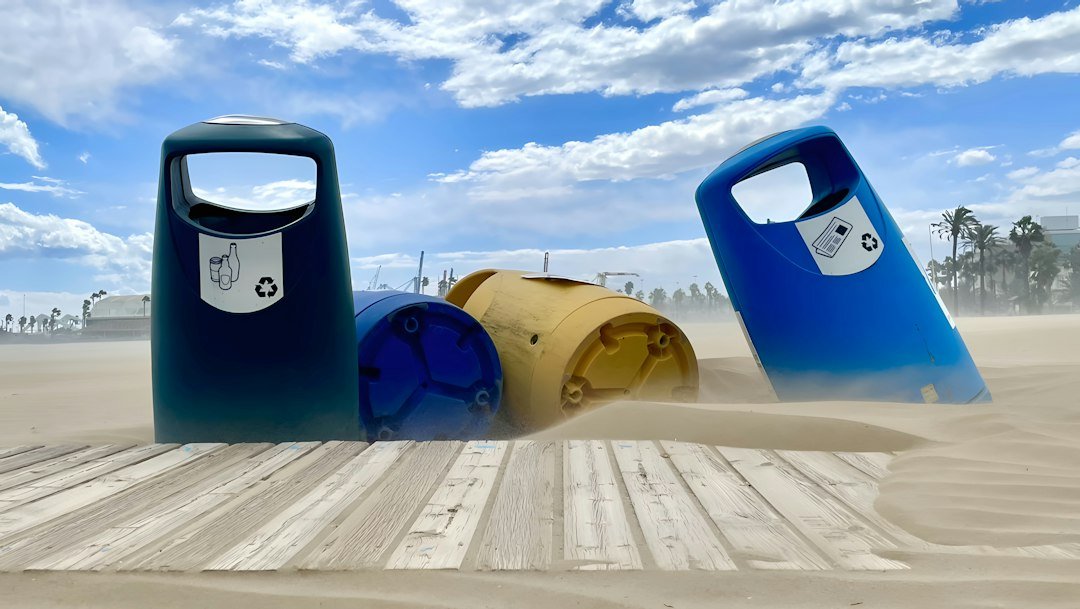
Photo by Otto Freijser on Unsplash