Category: Korean Culture & Holidays

  • Suneung 2026: Why South Korea Pauses Flights

    Suneung 2026: Why South Korea Pauses Flights

    Suneung 2026 falls on Thursday, November 19, and For 25 minutes that afternoon, South Korea adjusts aircraft takeoffs and landings to minimize noise during the English listening test. Commuting hours shift. Extra subways run. Streets near exam halls close to traffic.

    If you live in Korea or you’re visiting that week, this guide explains what’s actually happening and why. It also makes one thing clear early: the flight pause is short, not a full-day shutdown.

    What Is Suneung?

    Suneung (수능) is short for 대학수학능력시험, the College Scholastic Ability Test. English speakers often call it the CSAT. It’s South Korea’s national college entrance exam, held once a year.

    University admissions in Korea depend heavily on this single test for many students. That’s part of why the exam date draws national attention, not just from students and families but from the government and transportation networks.

    • Suneung is a one-day, nationwide exam.
    • It’s officially known as the College Scholastic Ability Test (CSAT).
    • Results affect university admissions for many test-takers.

    Suneung 2026 Date: Which Exam Is It?

    The Suneung held in November 2026 is the exam for the 2027 academic year (2027학년도). Korean exams are named for the academic year students will enter, not the calendar year the test happens in.

    Here’s the key schedule information confirmed by official sources:

    Item Detail
    Exam date Thursday, November 19, 2026
    Academic year 2027 (2027학년도)
    Date announced by Ministry of Education
    Detailed plan announced by Korea Institute for Curriculum and Evaluation (KICE), June 30, 2026
    Score notification December 11, 2026
    2026 support measures announced October 20, 2026 (Ministry of Education)

    Why Does South Korea Pause Flights During Suneung 2026?

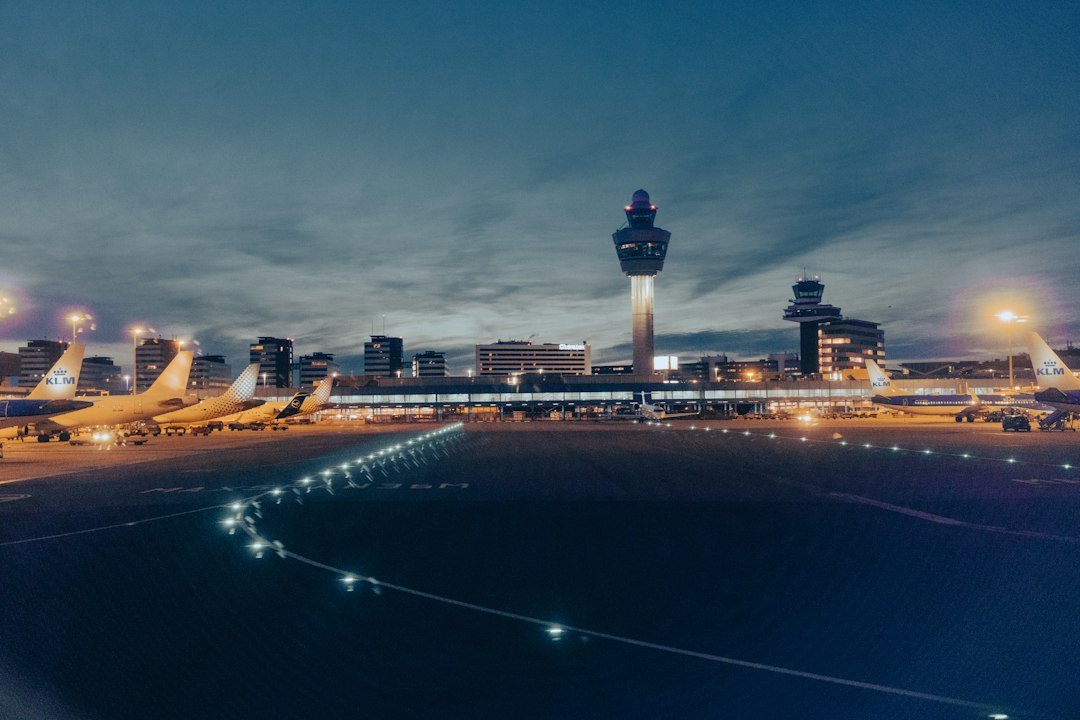
    The English section of Suneung includes a listening test. Airplane noise could disturb students during that portion, so authorities adjust takeoffs and landings while it runs.

    Specifically, aircraft takeoffs and landings are restricted from 1:10 p.m. to 1:35 p.m. on November 19, 2026. That’s a 25-minute window, not a full day of grounded planes.

    Takeoffs and landings are restricted during the 25-minute listening test. Some flights may experience schedule changes before or after this period.

    If you’re flying in or out of Korea that afternoon, check your airline’s updated schedule. Individual flights may be affected beyond the restriction window itself.

    • Restriction window: 1:10 p.m. to 1:35 p.m. on November 19, 2026.
    • Reason: noise control during the English listening test.
    • Scope: this applies only during the listening test, not all day.

    If you’re arranging transport to or from Incheon Airport around exam day, build in extra time and confirm your flight status directly with the airline.

    How Else Does Korea Adjust for Exam Day?

    Suneung’s effects reach beyond airports. The government coordinates several measures to help students arrive on time and sit for the exam without disruption.

    • Commuting hours: The government asked for work start times to shift to after 10 a.m. to ease morning traffic. This is a request, not a rule, so not every company will follow it.
    • Public transit: Extra subway service runs in the Seoul area from 6:00 a.m. to 8:10 a.m.
    • Traffic control: Vehicle access is controlled within 200 meters of test sites.
    • Emergency transport: Support is provided to get examinees to the exam in an emergency.

    These measures target the morning commute and the exam site perimeter. They don’t change how airports or train networks operate outside those specific windows.

    Suneung Exam Day Culture in Korea

    Suneung has its own set of traditions, commonly described in Korean media and explainers. Many of them center on cheering for students and wishing them luck.

    • Juniors gather outside school gates with banners to cheer on older students.
    • Sticky sweets like yeot (taffy) and tteok (rice cake) are popular gifts, since “sticking” puns on being accepted.
    • Some students avoid seaweed soup (miyeokguk) on exam morning, according to the Seoulz explainer.
    • Many parents pray for their children around exam time.

    These customs show how much weight the exam carries socially, beyond the logistics of flights and traffic.

    What Visitors and Residents Should Know

    Whether you’re new to Korea or just passing through in November, a few practical points can save you a headache on exam day.

    • Check your airline’s updated schedule if you fly in the early afternoon, since flights may be affected beyond the restriction window.
    • Expect busier morning transit and plan extra time; extra subway service runs in the Seoul area from 6:00 a.m. to 8:10 a.m.
    • Expect limits on vehicle access within 200 meters of test sites.
    • Some offices may start later, but remember this is a government request, not a mandatory rule.
    • Exam rules and timings can change, so check official announcements closer to the date.

    Frequently Asked Questions

    When is Suneung 2026?

    Suneung 2026 is scheduled for Thursday, November 19, 2026. It’s the exam for the 2027 academic year.

    Do all flights in Korea stop during Suneung?

    No. Takeoffs and landings are restricted from 1:10 p.m. to 1:35 p.m. on November 19, 2026, during the English listening test. Check your airline’s updated schedule, since individual flights may be affected beyond that window.

    What does Suneung stand for?

    It’s short for 대학수학능력시험, the College Scholastic Ability Test (CSAT).

    When are the Suneung results released?

    Scores are scheduled to be notified on December 11, 2026.

    Sources and References

    • Ministry of Education, 2027 Suneung detailed plan notice (June 30, 2026): moe.go.kr
    • Yonhap News Agency, 2026 Suneung flight and traffic measures (October 20, 2026): en.yna.co.kr
    • CBS Nocut News, KICE detailed plan (June 30, 2026): nocutnews.co.kr
    • YTN, KICE detailed plan (June 30, 2026): ytn.co.kr
    • Seoulz, Korea CSAT Exam Day (March 5, 2026): seoulz.com

    This guide was compiled on October 27, 2026 from the pages listed above under Sources and References. Exam arrangements can change, so check official announcements before you travel or plan around exam day.

    Photo by Rita Candeias on Unsplash
  • Templestay in Korea: Booking Steps, Schedule and Rules

    Templestay in Korea: Booking Steps, Schedule and Rules

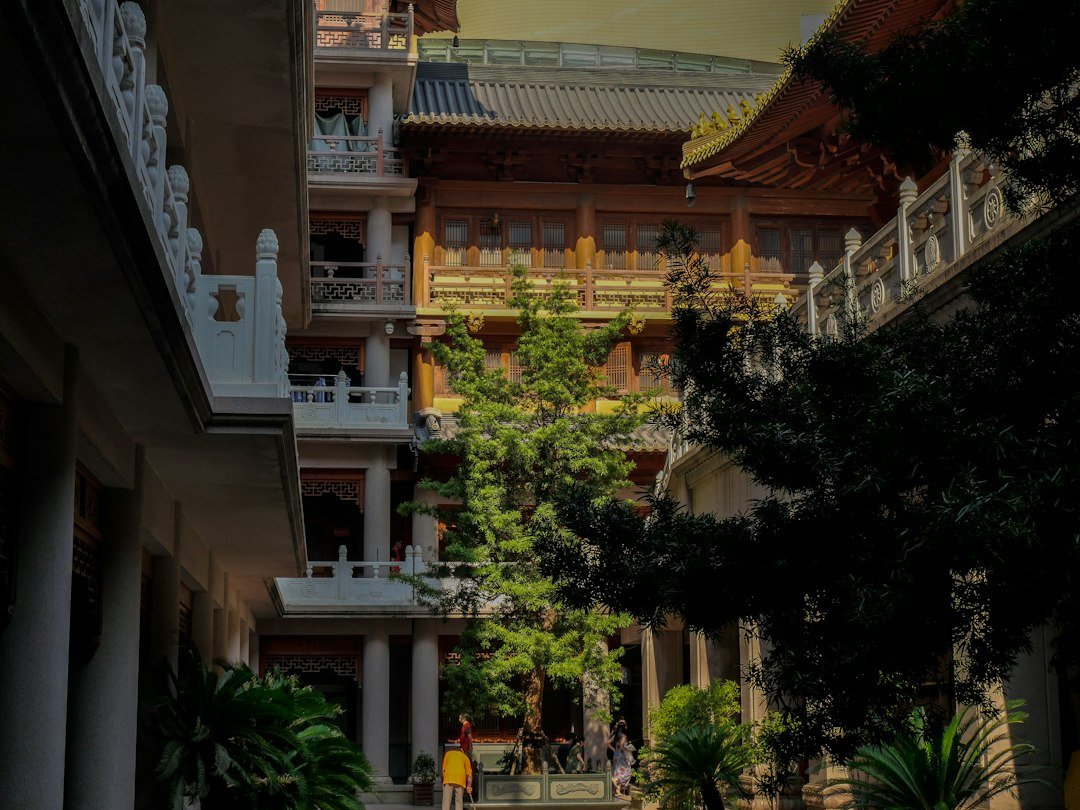
    A templestay in Korea is a cultural program run at traditional temples, built around chanting, meditation, tea conversation and Buddhist meals. The official Templestay website also describes it as a chance to live for a short time the way Buddhist practitioners do at a traditional temple. This guide walks through the program types, the booking process, a sample schedule and the rules you’ll be asked to follow.

    One thing to flag before anything else: schedules, refund rules and house rules differ from temple to temple, and they can change. This post reflects the official Templestay website as checked on October 16, 2026. Always confirm the details on the program page of the specific temple you plan to book.

    What Is a Templestay in Korea?

    Each day typically starts in the dark hours before dawn, when a temple bell marks the beginning of the schedule. Participants take part in chanting, meditation, tea ceremonies and temple meals together with other guests.

    You are not locked into every activity. According to the official FAQ, you may skip a program if you feel unwell or tired. In that case, rest in your room and simply tell the templestay staff which part of the schedule you’re sitting out.

    Three Program Types for a Templestay in Korea

    Every templestay in Korea falls into one of three categories, and the length and intensity differ quite a bit between them.

    Type Length What It Includes
    One-day Templestay About 2–3 hours Temple tour, meditation and tea ceremony; another official page also lists lotus flower making, Cham-Seon meditation and Da-Seon tea with a monk
    Experience-oriented (1 night, 2 days) Usually held on weekends Morning chanting, 108 prostrations, a monastic meal, meditation, walking meditation on forest paths, and optional crafts such as lotus lanterns or prayer beads
    Rest-oriented (Free-Style / One-Step Pause) Low-activity, held all year round Only the Yebul ceremony in the morning and evening, plus eating meals on time; otherwise free for relaxing, meditating and enjoying nature

    Experience-oriented and rest-oriented stays can also be combined into longer visits of more than two days. The maximum varies by temple and often reaches ten days. For anything longer than the standard programs, contact the temple directly or email support@templestay.com.

    Key Templestay Terms to Know

    A few Korean words show up repeatedly on program pages, so it helps to know them before you book.

    • Yebul: the morning and evening ceremony of respect and chanting.
    • Baru gongyang: the monastic meal, eaten from bowls, with an emphasis on sharing, cleanliness and avoiding waste.
    • Da-Seon / Dado: tea meditation or tea ceremony.
    • Cham-Seon: Seon meditation.
    • 108 prostrations: a practice listed in the experience-oriented program.
    • Sunim: a monk.
    • Option pay: the label used for private rooms at some temples, with a per-person fee added (see the rules section below).

    How to Book a Templestay in Korea

    Booking runs through the official Templestay website. You can filter listings by region (17 areas are listed), by temple, by program type, by group size from 1 to 10 people, by keyword, and by tags like Voucher Available, Check-in only, Temples for Foreigners and SNS Temples. Each listing shows a Reservation link and a Temple Info link.

    As one example, the Woljeongsa Relaxing Templestay page outlines these steps for its operating period of October 1 to December 1, 2026:

    • Choose a date on the calendar; reservations need to be made at least two days in advance.
    • Enter the number of guests by category: adult, teenager, child, pre-school.
    • Tick single occupancy if you want it, where offered.
    • Check the total and click Reservation. Rooms are pre-assigned at booking and can’t be changed at check-in.
    • Pay by bank transfer, using the account details shown on that page.

    These steps and conditions come from one temple’s page, and others can differ. Some temples don’t send confirmation letters at all. To check a booking, contact the temple or email support@templestay.com with your name, participation date and temple name — you won’t need a confirmation letter, since each temple keeps its own reservation list. One listing, Jeondeungsa, notes that groups of more than two people should contact them by email directly rather than booking through the standard form.

    Sample Schedule and Cancellation Policy

    Refund policies also vary by temple. Woljeongsa’s page lists this refund schedule as one example:

    Days Before Refund
    4 days before 100%
    3 days before 70%
    2 days before 50%
    1 day before No refund
    On the day No refund

    Other temples may use different numbers, so read the cancellation policy on the exact program page you’re booking. The official FAQ suggests contacting the temple directly or emailing support@templestay.com, and checking the website calendar first, since some dates aren’t open.

    Here’s the Woljeongsa Relaxing Templestay schedule as listed on the official site, which the page itself says may change:

    Time Activity
    15:00–15:30 Check-in
    16:30–17:00 Temple tour
    17:00–18:00 Temple dinner
    18:20–19:00 Evening Buddhist ceremony (optional)
    21:00 Bedtime
    04:20–04:50 Early morning Buddhist ceremony (optional)
    06:30–07:00 Temple breakfast
    07:00–11:00 Free time (e.g., walking the needle fir forest trail)
    11:00–11:30 Temple lunch
    12:00 Check-out

    The same page notes that early check-in before 15:00 isn’t available because rooms need preparation. Guests should arrive by 16:30 to join dinner, since there’s no check-in or refund after that time, and the templestay office closes at 17:00. Check-out happens between 11:30 and 12:00, after tidying the room. Other temples run different timetables.

    Room Rules and Etiquette

    Stays are communal by default, and sharing a room with other guests is expected under the official FAQ. Some temples offer private rooms for two to four people under an Option pay label, with a fee added per person, though no amount is listed here. Men and women are not placed in the same room, so couples cannot share a room during their stay.

    Woljeongsa’s house rules, shown as one temple’s example, cover the kind of etiquette you’ll likely meet elsewhere too:

    • All listed activities are optional.
    • Guests under 19 and over 75 must be accompanied by a guardian.
    • Children under 5 are not permitted, even with a guardian.
    • Smoking and alcohol are prohibited.
    • Avoid walking around the grounds after 21:00.
    • Bare feet are not allowed inside the temple.
    • The temple is not a hotel and has no 24-hour front desk.
    • If arriving by car, contact the temple in advance for parking information.

    What to Pack for a Templestay

    Official pages ask guests to bring their own towels, toiletries, underwear, socks, a change of clothes and a hair dryer. Most temples provide only soap, toothpaste and a temple uniform of vest and pants. In winter, pack warm layers like a jacket, sweater or pullover, since mountain temples can get quite cold.

    Woljeongsa’s page gives one concrete example of what’s provided versus what to bring:

    • Provided: uniform, soap, toothpaste and a hair dryer.
    • Bring: toiletries including a towel, a personal water bottle, socks, sneakers and personal clothing.
    • Not allowed: slippers or flip-flops.

    Choosing a Temple for Your Templestay in Korea

    The official FAQ groups temples by what’s nearby or what they’re known for, without ranking any of them.

    • Near Seoul by bus or subway: Bongeunsa, Geumsunsa, Hwagyesa, Jinkwansa, Jogyesa, Myogaksa and the International Seon Center. If you’re commuting to one of these, a T-money card covers buses and subways around the city.
    • Trees and mountains: Woljeongsa, Jikjisa, Naesosa.
    • Scenic settings: Naksansa (mountains and sea), Mihwangsa (sea and island views), Magoksa (forest and rivers), Guinsa (mountain ridges), Jeondeungsa (Ganghwa Island). Yongjoosa is described as especially peaceful.
    • Temple food: Baekyangsa hosts a cooking program led by Jeongkwan; Jinkwansa, staffed only by nuns, is known for temple cuisine; Bongsunsa offers lunch of rice steamed in lotus leaves.
    • Active experiences: Golgulsa is the only temple that teaches Sunmudo, an active meditation combining breath and movement. Its listed programs include a Special Weekend Templestay (two days, one night, check-in every Friday or Saturday by 14:30) and a Relaxation Templestay, running 365 days a year from its Gyeongju location.
    • Meditation: the International Seon Center teaches Ganhwa Seon; the Lotus Lantern International Meditation Center is open to non-Koreans and offers a monthly intensive course of three nights and four days.
    • Near hiking trails: Seonunsa, Hwaeomsa, Seoraksan Sinheungsa, Donghwasa, Yakchunsa, Beomeosa and Geumsansa.
    • UNESCO World Heritage temples: nine temples hold this status; Beopjusa, Bulguksa, Magoksa and Haeinsa offer English programs for foreign visitors.
    • One-day option: BONG-PASS at Bongeunsa in Seoul, held every Tuesday from 10:00 to 16:00 according to the program list.

    Use the Temples for Foreigners tag on the program list if English support matters to your choice.

    Frequently Asked Questions

    Do I need to bring a confirmation letter? No — each temple keeps its own reservation list, so you don’t need to bring one.

    Can I skip activities? Yes. If you feel unwell or tired, rest in your room and tell staff which programs you’re skipping.

    Can couples share a room? No. Men and women aren’t placed in the same room, so couples stay separately.

    How long can I stay? Programs range from a few hours to one night, two days; some temples allow longer stays, such as Woljeongsa’s 1 to 5 nights. Combined stays can run longer, with a maximum that varies by temple and often reaches ten days.

    Who do I contact to change or cancel a booking? Contact the temple directly, or email support@templestay.com, and check the cancellation policy on that program’s page first.

    This guide was compiled from the official Templestay website on October 16, 2026. Programs, schedules, refund rules and house rules differ by temple and can change, so confirm the details on the program page before you book. For contact: Templestay Center, 4F, 56 Ujeongguk-ro, Jongno-gu, Seoul; phone 02-2031-2000; email support@templestay.com.

    https://www.templestay.com/en/MI000000000000000020/html/view.do , https://eng.templestay.com/board-faq.asp , https://eng.templestay.com/page-templestay-type.asp

    Photo by Sacha Canivet on Unsplash

  • Gaecheonjeol: What Is Korea’s National Foundation Day?

    Gaecheonjeol: What Is Korea’s National Foundation Day?

    If you check a Korean calendar in early October, you’ll notice October 3 marked in red. Offices close, schools are out, and banks post holiday notices. This is Gaecheonjeol, Korea’s National Foundation Day, and it’s one of the oldest dates on the modern Korean calendar in spirit, even though the holiday itself is rooted in a much older story.

    For visitors and newcomers, the name alone can be confusing. What does it actually commemorate, and why does it fall on a fixed solar date instead of following the lunar calendar like most traditional Korean holidays? Here’s what the day is really about.

    What Does Gaecheonjeol Mean?

    The word Gaecheonjeol (개천절) translates literally as “the day the sky opened” or “the day heaven opened.” It refers to the legendary moment when a divine order was believed to have descended to the human world, giving rise to the first Korean kingdom.

    Specifically, Gaecheonjeol marks the founding of Gojoseon, considered the first kingdom in Korean history. According to tradition, Gojoseon was founded in 2333 BCE by a figure named Dangun Wanggeom.

    • Gaecheonjeol = “the day the sky/heaven opened”
    • Commemorates the founding of Gojoseon, Korea’s first kingdom
    • Traditional founding date: 2333 BCE
    • Observed every year on October 3

    One detail surprises many people: unlike Chuseok or Lunar New Year, which shift each year based on the lunar calendar, Gaecheonjeol always falls on the same solar-calendar date. This was a deliberate choice made for convenience, fixing a mythic, pre-calendar event to a modern, practical date.

    The Legend Behind Korea’s National Foundation Day

    The story behind Gojoseon’s founding is one of the most well-known myths in Korean culture. It begins with Hwanung, a son of the heavenly god, who wished to live among humans.

    Hwanung descended to earth with 3,000 followers and began ruling over the world below. Soon after, a bear and a tiger approached him, both asking to be transformed into humans.

    Hwanung set a trial for them. The animals had to endure a period of hardship, and only one proved able to complete it.

    • The tiger failed to complete the trial and left
    • The bear endured it and transformed into a woman named Ungnyeo
    • Ungnyeo married Hwanung
    • Their son, Dangun Wanggeom, went on to found Gojoseon

    This myth isn’t treated as literal history in modern Korea. Instead, it functions the way founding myths do in many cultures: as a symbolic origin story that ties a nation’s identity to something larger than ordinary history.

    From 1909 to a National Celebration Day

    Gaecheonjeol’s status as an official holiday has its own modern history, separate from the ancient myth itself. The day was first promoted as a national commemorative occasion in 1909, well before Korea’s division or the establishment of its current government.

    After the Republic of Korea’s government was established in 1948, Gaecheonjeol was formally designated in 1949 as one of the country’s National Celebration Days, known in Korean as gukgyeongil (국경일). These are a small group of dates considered significant enough to represent the nation’s identity and history.

    At the time, Korea recognized four such days. A fifth, Hangul Day, was added later in 2005, honoring the creation of the Korean alphabet.

    Date National Celebration Day
    March 1 Independence Movement Day
    July 17 Constitution Day
    August 15 Liberation Day
    October 3 Gaecheonjeol (National Foundation Day)
    October 9 Hangul Day (added 2005)

    How Korea’s National Foundation Day Is Observed Today

    On Gaecheonjeol, government offices, schools, and most businesses close for the day. It’s a public holiday in the straightforward sense: a day off, not a day built around elaborate public events.

    The Ministry of the Interior and Safety holds an official commemorative ceremony to mark the occasion. Beyond that formal event, though, there isn’t a major nationwide festival tied to the date.

    • Public offices and schools are closed
    • A government commemorative ceremony takes place
    • Most Koreans experience it simply as a quiet day off
    • No major public festival is tied specifically to this date

    For many visitors, this comes as a surprise. Compared to the visible scale of Chuseok, Korea’s autumn harvest holiday, Gaecheonjeol tends to be a much lower-key date on the calendar.

    If you’re curious about that contrast, our Chuseok explainer covers what that holiday involves and why it looks so different.

    Where Gaecheonjeol Sits on the October Calendar

    Gaecheonjeol’s position in the calendar is worth noting for travelers planning a trip. It falls roughly three weeks after Chuseok and just six days before Hangul Day on October 9.

    That makes early-to-mid October a period with several notable dates clustered close together on the calendar.

    If you’re planning an autumn trip, it’s worth checking both holiday closures and seasonal conditions in advance. Timing your visit around these dates can affect everything from transportation availability to how crowded certain areas might be.

    Understanding Gaecheonjeol, then, isn’t just a history lesson. It’s practical context for anyone trying to make sense of Korea’s October calendar, and a small window into how the country chooses to commemorate its own origin story.

    Photo by FUTC on Unsplash

  • What Is Chuseok? Korea’s Harvest Festival, Explained

    What Is Chuseok? Korea’s Harvest Festival, Explained

    If you’re planning a trip to Korea in late September and suddenly notice that the streets are quieter than expected — or that the highways look like one enormous parking lot — there’s a good chance Chuseok, Korea’s biggest harvest festival, is underway. Chuseok is one of the most important holidays on the Korean calendar, a multi-day celebration built around family, food, and gratitude. Here’s everything you need to know about what it is, what happens, and what to expect.

    What Is Chuseok — and When Does It Fall?

    Chuseok (추석), also known as Hangawi, falls on the 15th day of the 8th month of the lunar calendar. Because Korea follows the lunisolar calendar for traditional holidays, the date shifts each year on the Gregorian calendar. Chuseok is one of Korea’s most important traditional holidays. In 2026, Chuseok falls on Friday, September 25, with the holiday running from Thursday, September 24, to Saturday, September 26.

    The name itself translates to “Autumn Eve,” reflecting the deep seasonal meaning of the holiday. Chuseok is sometimes referred to as “Korean Thanksgiving” due to its harvest associations and its timing in autumn. That comparison is useful as a starting point — both holidays center on family gatherings and giving thanks for a good harvest. But the traditions are quite different, as you’ll see below.

    • Official name: Chuseok (추석)
    • Also called: Hangawi
    • Date: 15th day of the 8th lunar month (late September to early October, depending on the year)
    • 2026 dates: September 24–26 (public holiday)
    • Duration: Three-day national holiday
    Year Chuseok Main Day Holiday Period
    2025 October 6 October 5–7
    2026 September 25 September 24–26
    2027 September 15 September 14–16

    The Core Traditions: Charye, Seongmyo, and the Full Moon

    At the heart of Chuseok is charye (차례), a family ritual held early on the morning of the holiday. Families arrange tables with ceremonial foods — including rice, fruits, vegetables, meat, and fish — and perform a series of bows. The ritual typically takes place early in the morning before the family eats together. Think of it as a formal, structured way of acknowledging the ancestors who came before and expressing gratitude for the harvest. It’s a family tradition practiced across households, not tied to any single religion.

    After charye, many families practice seongmyo (성묘). For seongmyo, families travel to ancestral graves — clearing weeds, tidying the burial site, and performing a simple outdoor ceremony to show respect to the departed. The act of physically caring for a grave is seen as an extension of the same respect shown at the home altar.

    The full moon plays a meaningful role in Chuseok. Because the holiday always falls on the 15th day of the lunar month, the moon is at its fullest and brightest. Traditionally, Koreans would gaze at this harvest moon and make wishes for a good year ahead. This practice is tied to the ancient agrarian roots of the festival, when the moon’s brightness was deeply connected to ideas of abundance and fortune.

    • Charye (차례): A morning ritual where families set a ceremonial table and bow to honor their ancestors
    • Seongmyo (성묘): Visiting and tidying ancestral grave sites as an act of respect
    • Full moon: Traditionally associated with wishes for health, prosperity, and a good harvest in the year ahead
    • Hanbok (한복): Many families wear traditional Korean dress for the occasion, especially during charye

    Songpyeon: The Rice Cake You Only Get at Chuseok

    No Chuseok table is complete without songpyeon (송편). These are small, half-moon shaped rice cakes made from rice flour, typically filled with ingredients like sesame seeds, chestnuts, red beans, or sweet bean paste. Cooks steam songpyeon over pine needles — a detail that gives the cakes a subtle, distinctive fragrance.

    Making songpyeon together is itself part of the tradition. Families often gather the night before Chuseok to shape the rice cakes by hand. There’s even a lighthearted folk belief that making beautifully shaped songpyeon means you’ll have beautiful children — or a handsome husband, depending on who’s telling the story.

    Beyond songpyeon, the Chuseok table overflows with autumn produce. Korean pears, persimmons, red dates, chestnuts, and grapes — all harvested at this time of year — are placed as offerings before being shared among family members. If you’re in Korea around this time, you’ll notice these fruits piled high in supermarkets and gift boxes everywhere.

    • Songpyeon (송편): Half-moon rice cakes, steamed over pine needles, filled with sesame, chestnuts, or beans
    • Seasonal fruits: Pears, persimmons, chestnuts, and grapes are central to the holiday table
    • Taro soup (toranguk): A traditional soup made with taro root, often eaten on Chuseok morning
    • Rice wine (makgeolli or dongdongju): Commonly poured during charye and shared among family members

    Food is one of the easiest ways for visitors to engage with Chuseok. Many bakeries and traditional markets sell Korean snacks and seasonal treats in the days leading up to the holiday — look out for Chuseok-edition gift sets in convenience stores and supermarkets.

    Traveling in Korea During Chuseok: What to Expect

    Chuseok is one of the two biggest domestic travel periods in Korea each year, alongside Seollal (Lunar New Year). Because so many families travel to their hometowns at the same time, the roads and rails get extremely crowded. Koreans call it 민족 대이동 (minjok dae-idong), meaning “the great migration of the people.” Tens of millions of people make the journey home, causing major traffic on highways nationwide.

    This mass movement is called gwiseong (귀성) — the journey back to one’s hometown. Trains sell out weeks in advance. Major expressways slow to a crawl. A trip that normally takes two hours can take five or six.

    What Visitors Can Do During Chuseok

    During the holiday, major cultural attractions such as royal palaces and museums offer free admission, while traditional performances and hands-on programs are held across the country. That’s genuinely worth knowing if you’re a visitor — some of the best experiences in Seoul during Chuseok are at cultural institutions, not restaurants.

    However, the flip side is real: many small businesses, local restaurants, and tourist-facing shops close for the full three days. If you’re visiting Korea during Chuseok, check opening hours in advance and build flexibility into your itinerary. Convenience stores and large chains generally stay open, but the independent spots you found on your favorite travel blog may well be shut.

    • Book transport early: KTX trains and intercity buses sell out fast — sometimes weeks ahead
    • Expect highway delays: Gwiseong traffic is a nationwide phenomenon; avoid driving on major expressways on the first and last day of the holiday
    • Check closures: Many independent restaurants, shops, and markets close during the three-day period
    • Visit palaces and museums: Several major cultural sites offer free entry and traditional programs during Chuseok
    • Enjoy the atmosphere: Seoul itself becomes noticeably quieter — locals joke that it’s the one time you can actually walk freely through Myeongdong

    Visiting Korea around Chuseok can be a genuinely memorable experience. The holiday gives travelers a rare window into how Korean families actually live, gather, and celebrate — a side of the country that no amount of K-drama watching fully prepares you for. Just go in with realistic expectations, plan your meals in advance, and embrace the slower pace. And if you find yourself with a free evening, step outside and look up: the Chuseok full moon is reliably one of the most beautiful sights Korea has to offer.

    Planning your first trip and not sure what to do once you’re there? Start with the basics — understanding everyday customs like Korean BBQ etiquette will help you feel at home the moment you sit down to eat.

    Photo by 9picturebyng on Unsplash

  • Korean Jjimjilbang (Sauna) Etiquette: What to Expect on Your First Visit

    Korean Jjimjilbang (Sauna) Etiquette: What to Expect on Your First Visit

    You’ve heard about jjimjilbangs (찜질방), Korea’s famous public bathhouse and sauna complexes, and you’re curious, maybe even a little nervous. The nudity thing. The communal sleeping. Not knowing where to put your shoes. These are all reasonable concerns, and every single one of them dissolves within about ten minutes of walking through the door. This jjimjilbang etiquette guide will walk you through exactly what to expect, so you can show up relaxed instead of anxious.

    Step One: Shoes Off, Locker Up, Before You Even Pay

    The moment you step inside a jjimjilbang, the first thing you do is remove your shoes. This happens right at the entrance, before you reach the front desk. You’ll typically find shoe lockers in the lobby — stow your footwear there before checking in, as it reflects the deeply rooted Korean custom of keeping indoor spaces clean.

    At the front desk, you’ll pay your entry fee and receive a few things. You’ll get a locker key, often worn on your wrist like a bracelet. You’ll also get a set of the facility’s standard uniform, usually a simple cotton t-shirt and shorts, and sometimes a small towel. Keep that key on you at all times — it’s your access card for your main locker, and in many places, you’ll use it for cashless purchases throughout the facility.

    • Remove shoes at the entrance and place them in the lobby shoe lockers before paying
    • You’ll receive a wristband or key, a uniform set, and possibly a towel at check-in
    • Some facilities charge extra for towels — it’s worth bringing your own just in case
    • Facilities may or may not provide toiletries (shampoo, conditioner, body wash); bringing your own is always a safe bet, though many jjimjilbangs sell single-use packets on-site

    The Bathing Area (Mogyoktang): What the Nudity Is, and Isn’t

    Here’s the part that trips up most first-timers, so let’s address it directly. The mogyoktang (목욕탕), the wet bathing section, strictly separates men and women, and nudity is standard there. Not optional, not edgy: just normal. Koreans of all ages have grown up doing this, and no one pays any attention to you or your body. The atmosphere is far more matter-of-fact than a locker room at a gym.

    The cardinal rule of the mogyoktang is simple: shower thoroughly before entering any communal pool or tub. Rows of individual washing stations line the room, each with a low stool and faucet. Sit down, scrub up, and only then ease into the hot baths. You may also notice locals going through a vigorous skin-scrubbing process called seshin (세신) — a coarse mitt rubs away layers of dead skin during this treatment. You can pay for a professional seshin service inside the bathing area if you’re curious. It’s genuinely satisfying, if slightly alarming the first time.

    • Nudity is mandatory in the mogyoktang — swimwear is not worn here
    • Always shower at the individual washing stations before entering shared pools
    • Hot tubs, cold plunge pools, steam rooms, and sometimes whirlpool baths are standard features
    • Tie back long hair before entering the water
    • If you have tattoos: unlike Japan’s onsen culture, most Korean jjimjilbangs are welcoming — restrictions are rare
    • Try not to overthink the nudity; acting casually is exactly what the locals do, and it becomes unremarkable within minutes

    The Common Areas: Heat Rooms and Ondol Floors

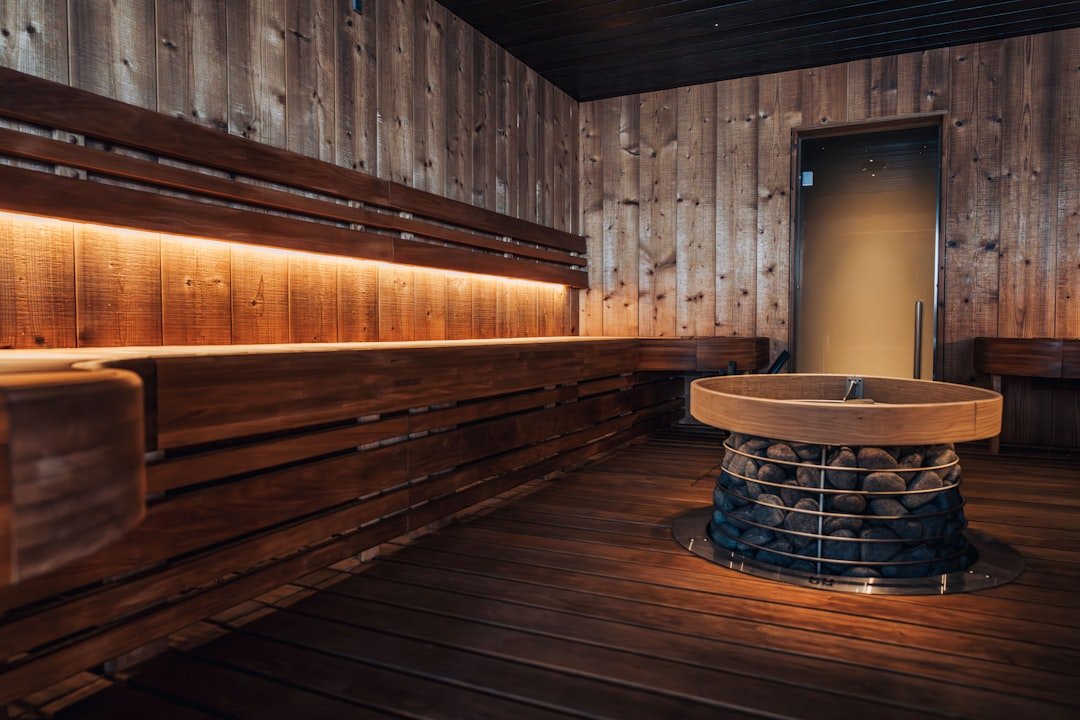
    After bathing, you change into your provided uniform. Then you enter the jjimjilbang’s shared common area — the heart of the experience, and entirely co-ed. This is where friends catch up and families sprawl out on heated floors. Strangers nap side by side here without a second thought. The floors are ondol-style, meaning they radiate gentle warmth from below — a traditional Korean heating method that makes lying directly on the floor genuinely comfortable.

    Scattered through the common area, you’ll find a variety of themed heat rooms with different temperatures or materials. Salt rooms, charcoal rooms, clay rooms, and jade rooms are common, and some facilities even add an ice room for contrast. Each one usually displays its temperature and benefits on a sign nearby. The general approach is to rotate between hot and cool environments, rest, hydrate, and repeat.

    Many visitors spend three, four, or more hours doing exactly this. A number of jjimjilbangs operate 24 hours, so overnight stays are common. The sleeping hall — a large communal room with mats or cushions on a warm floor — costs little extra and stays perfectly safe.

    Look around the common area and you’ll almost certainly spot people wearing their small towels twisted into a sheep-head shape (양머리, yangmeori). This turban-like loop balances on top of the head. It’s playful, and it keeps sweat out of your eyes in hot rooms. Over time, it’s become something of a jjimjilbang trademark — feel free to try it yourself.

    • Wear your provided uniform in all co-ed areas — never enter these spaces from the bathing area without changing first
    • Try the themed heat rooms (salt, clay, charcoal) and rotate with rest breaks in between
    • The yangmeori towel turban is a fun and functional jjimjilbang tradition — do try it
    • 24-hour facilities allow overnight stays; bring an eye mask if you’re a light sleeper

    Jjimjilbang Snacks You Shouldn’t Skip

    When hunger hits, the snack corner is an essential stop. Two items are practically synonymous with jjimjilbang culture. The first is sikhye (식혜), a chilled sweet fermented rice drink that’s mildly sweet and surprisingly refreshing. The second is maekbanseok gyeran, eggs slow-roasted in the heat rooms until the whites turn a pale brown. The heat deepens their flavor along the way. People eat them simply, with a bit of salt, and they taste inexplicably perfect in that context.

    If you enjoy exploring Korean snacks, you might also recognize some favorites from convenience stores. Our guide to Korean convenience store snacks covers plenty of portable options worth knowing before your trip.

    • Order sikhye and a roasted egg from the snack area — they’re a non-negotiable part of the experience

    Practical Tips Before You Go

    Facilities vary quite a bit. A large upscale jjimjilbang in a city center will feel very different from a smaller neighborhood bathhouse. It’s worth checking what a specific location provides before you arrive. That said, a few universal tips apply almost everywhere.

    Item / Situation What to Know
    Towels Facilities usually provide small towels; larger towels may cost extra. We recommend bringing your own full-size towel.
    Toiletries Soap is common; shampoo and conditioner less reliably so. Bring your own or buy single-use packets on-site.
    Payment Many facilities use your wrist key for in-facility purchases (snacks, add-ons). Settle the bill when you leave.
    Overnight stays Common and affordable at 24-hour locations. The communal sleeping area has cushions on a warm floor — bring an eye mask.
    Phones & valuables Lock valuables in your main locker. Be mindful of photographing in or near the bathing areas — it’s a strict privacy issue.
    Noise Keep voices low in the sleeping areas and heat rooms. The atmosphere is calm and communal, not a party venue.

    One genuinely easy-to-miss tip: don’t rush. Jjimjilbangs invite you to linger. Koreans treat them as a full evening activity — bathing, sweating, eating, napping, and repeating. Let go of the clock, and you’ll start to understand why this place has been a cornerstone of everyday Korean life for decades.

    A jjimjilbang visit fits naturally into a broader Korean wellness and self-care culture. It pairs well with the country’s famous skincare philosophy too. Our beginner’s guide to the Korean skincare routine makes a great companion read for understanding how Koreans approach taking care of their skin from the inside out.

    Show up once, and follow these basics. By the time you’re sipping cold sikhye on a warm floor in your matching uniform, towel twisted into a lopsided sheep on your head, you’ll wonder what you were ever nervous about.

    Photo by HUUM on Unsplash