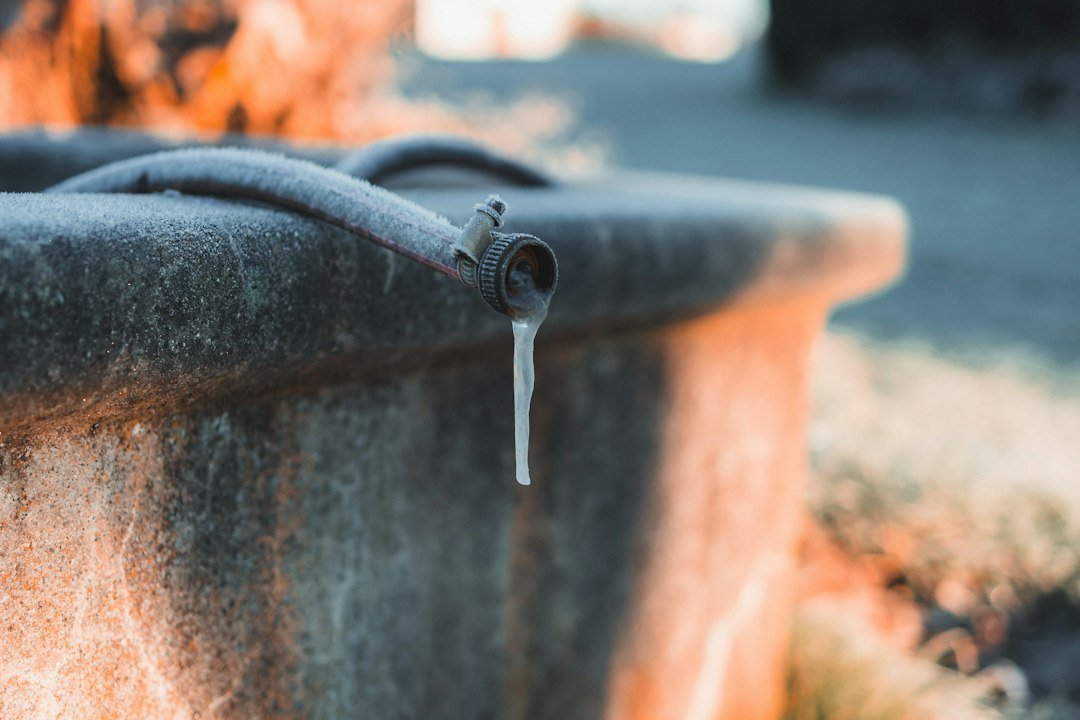
Your first Korean winter as a renter can catch you off guard, especially the morning you turn on the tap and nothing comes out. Frozen pipes in Korea are a winter risk worth preparing for, and knowing the basics before the cold really sets in saves a lot of stress later.
Most of this comes down to a few habits and a bit of insulation. None of it is complicated, but it helps to know the Korean terms, since that’s what you’ll see on signs, in building notices, or when you talk to your landlord.
What Causes Frozen Pipes in Korea
Koreans call this problem dongpa (동파), which refers to water pipes freezing and sometimes bursting. It happens when the water in a pipe gets cold enough to freeze.
Frozen pipes can occur even when temperatures are above -5°C. According to Seoul City’s guidance, the risk becomes more serious when temperatures remain below -10°C for two days or longer.
Treat these numbers as general guidance rather than a strict rule. Always pay attention to local cold-wave warnings for your area.
- Dongpa (동파) means pipes freezing, and sometimes bursting
- Freezing can occur even above -5°C, and the risk becomes more serious after two days or longer below -10°C
- Follow local cold-wave warnings
Where Frozen Pipes in Korea Usually Start
Frozen pipes in Korea tend to start wherever water sits exposed to outside air. These tend to be parts of a building that get little indoor heat.
Not every home has all of these features. Walk around your own building once and see which of these actually apply to you.
- Gyeryanggi-ham (계량기함), the water meter box
- Outdoor water pipes
- The washing machine’s water supply pipe
- Boiler pipes
A Practical Winter Checklist
Once you know where the risk sits, the fixes are mostly about insulation and a couple of daily habits. Here’s a simple checklist to work through before a cold wave hits.
| What | What to do |
|---|---|
| Water meter box (계량기함) | Fill the empty space inside with old clothes, bubble wrap, or styrofoam. Seal the lid and any gaps with plastic or tape. |
| Exposed pipes | Wrap outdoor water pipes, washing machine pipes, and boiler pipes with insulation material. |
| During a cold wave | Open the tap slightly so water flows in a thin, continuous stream. |
| Going out for a long time | Don’t switch the boiler off completely. Keep the power connected and lower the indoor temperature instead. |
Don’t turn off the boiler completely during freezing weather. Keep the power connected and lower the indoor temperature when you go out, following your boiler manufacturer’s instructions. Freeze-protection features vary by model.
If you’re not sure how your boiler panel works, our ondol floor heating guide walks through the buttons and settings in detail.
If a Pipe Freezes or Bursts Anyway
Even with every precaution, pipes can still freeze during a hard cold snap. Knowing the first few steps keeps a bad situation from getting worse.
- If a pipe bursts or starts leaking, turn off the water supply if you can do so safely. Never force a frozen valve.
- If a pipe or water meter freezes, follow the official guidance for the affected part. Avoid open flames, boiling water, and electrical heating devices near wet areas.
- If you notice cracks or leaks, contact your landlord or building management office. You can also report it to the local waterworks office.
As a renter, contact your landlord or building management as soon as you notice a problem. Don’t wait to see if it resolves on its own.
Every building is set up a little differently, and winter habits that work for one apartment may not fit another. When in doubt, ask your landlord or building management how your specific building handles cold-weather plumbing, and keep that answer somewhere you can find it quickly if a pipe ever freezes.
For step-by-step guidance when water or heating has already stopped, read our Frozen Pipes in Korea: No Water or Heat? What to Do.
Sources and References
- Seoul Metropolitan Government, water meter freeze prevention measures (November 14, 2025)
- Kiturami, cold wave warning: boiler freeze prevention and heating cost management (January 21, 2026)
Photo by Anna Maria Gnadl on Unsplash