You turn the hot water tap, and nothing but cold water comes out. Having no hot water in a Korean apartment is especially frustrating in winter, when a cold shower is the last thing you want.
The good news is that a few quick checks can often solve the problem, or at least tell you who to call. This guide covers the situation where the boiler has power but the hot water simply isn’t coming.
If your boiler won’t turn on at all, that’s a different issue. Read our guide, Boiler Won’t Turn On in Korea: What to Check Before Calling Service, instead.
First, What Kind of Hot Water Problem Do You Have?
Before you do anything else, work out exactly what’s happening. The pattern you see points to where the problem is.
| What you see | What to suspect first |
|---|---|
| Neither cold nor hot water comes out | Water supply, the water meter, or frozen incoming pipes |
| No water from the hot side only | Frozen hot-water or incoming pipes |
| Water comes out but stays cold | Settings, flow, or an error code on the controller |
| Only one tap has no hot water | That tap, its mixer valve, or the pipe to it |
Try turning on the bathroom and kitchen taps at the same time. A problem across the whole home usually points to the heating system itself. A problem at a single tap points to that tap.
5 Things to Check When You Have No Hot Water in a Korean Apartment
Run through these five checks before you pick up the phone. They take only a few minutes each.
1. Check the hot water setting on the controller
Look at your wall controller first. Make sure hot water (온수) is switched on, and check that the hot water temperature isn’t set too low.
Controllers differ by boiler maker and model, so follow your model’s manual. According to the Korea Experience guide, you’ll commonly see these terms: 난방 (heating), 온수 (hot water), 온수전용 (hot water only, which turns off floor heating while keeping tap hot water running), 외출 (away mode), and 예약 (timer). If the panel itself still confuses you, our guide to the Korean ondol boiler panel breaks down what each button does.
2. Try another tap
If only the shower runs cold, check the kitchen sink and the bathroom sink too. If those give hot water fine, the shower mixer valve is more likely the culprit than the boiler itself.
3. Adjust how much water is flowing
A very weak stream, or water that stays lukewarm, can sometimes be fixed just by changing the flow. Turn the tap up or down slowly and watch what happens. Some boilers behave differently depending on how much water passes through.
4. Look for an error code
Check the controller for a number or an error symbol. Write it down along with the boiler’s model name, since the same number can mean different things depending on the maker and model. Your model’s official manual is the place to confirm what it means.
5. Think about frozen pipes in cold weather
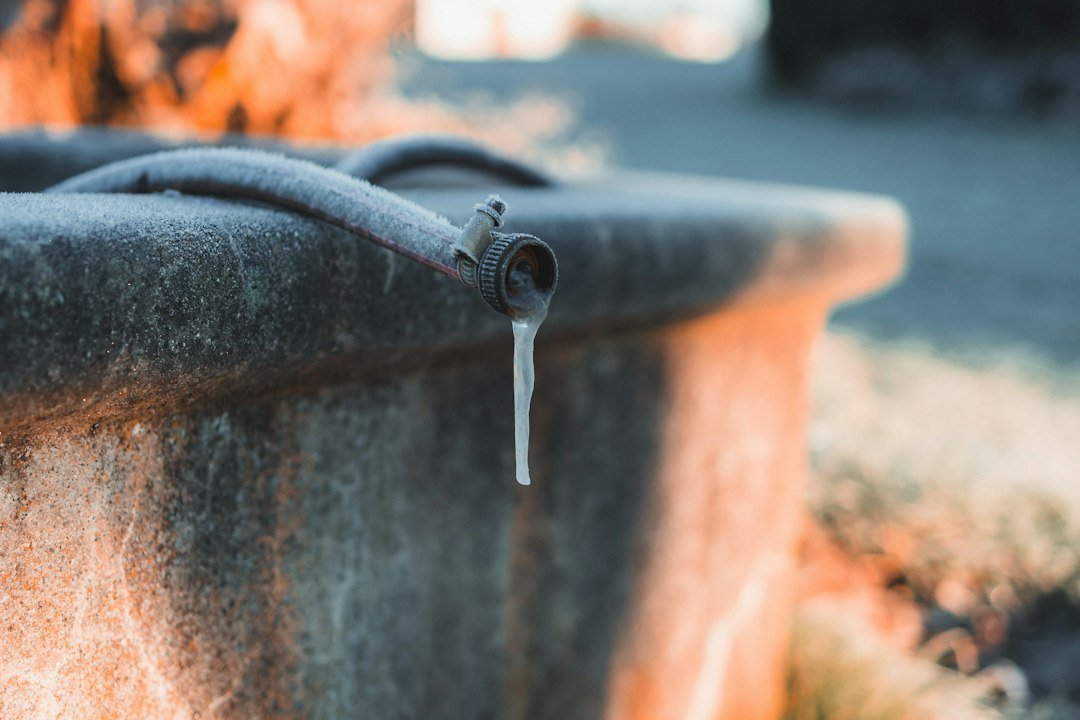
If temperatures have stayed below freezing, or your pipes run somewhere exposed, freezing is a real possibility. A common sign is cold water running fine while nothing comes from the hot side.
Pipes connected to the boiler can freeze in winter and stop hot water from reaching the tap. If you suspect this, check your boiler maker’s official thawing method first. Kiturami, for example, explains thawing a frozen pipe slowly using a warm towel at about 50-60°C. If that doesn’t feel safe to do, or you spot a leak, call a professional instead.
- Do not pour boiling water directly on the pipe
- Do not heat it with a torch or lighter
- Do not force a frozen valve
- Do not take the boiler apart yourself
For a longer-term fix, our winter checklist for preventing frozen pipes in Korea covers how to stop this from happening again.
Individual Boiler or Building Heating: Who Should You Contact?
Korean apartments get heat in different ways. The Seoul Metropolitan Government’s 2023 release groups apartment heating into central heating (중앙난방), district heating (지역난방), and individual heating (개별난방).
Which type you have decides who you should call, so check your lease or ask your landlord or the building’s management office (관리사무소) if you’re unsure.
| Your situation | Who to contact first |
|---|---|
| You have your own boiler in your unit | The boiler maker’s A/S center. The Seoul release says boiler faults and abnormal operation go to the maker’s A/S center, as usual. |
| Heat comes from a central or district system, or you aren’t sure | Your landlord or management office. Seoul Energy Corporation’s guide says to contact the management office right away if you suspect a problem with the heat meter (열량계). |
How hot water is produced differs by building. If you’re not sure how yours works, ask your landlord or the management office rather than guessing.
Korean Phrases for Your Landlord or Management Office
A short, clear message tends to get a faster answer. Feel free to copy these.
| English | Korean |
|---|---|
| There is no hot water. | 온수가 안 나와요. |
| There is no hot water in the whole house. | 집 전체에서 온수가 안 나와요. |
| Only the shower has no hot water. | 샤워기에서만 온수가 안 나와요. |
| An error code is showing on the controller. | 온도조절기에 오류 표시가 떠요. |
| The pipe might be frozen. | 배관이 얼었을 수도 있어요. |
| Could you check the boiler? | 보일러 좀 확인해 주실 수 있을까요? |
| Could you tell me the boiler’s A/S number? | 보일러 A/S 번호를 알려 주실 수 있을까요? |
Example message: 안녕하세요. 집 전체에서 온수가 안 나와요. 보일러 좀 확인해 주실 수 있을까요?
Try to mention four things: the boiler’s model name, the symptom, whether it’s heating or hot water that’s affected, and whether you suspect a frozen or leaking pipe.
When to Call A/S and What Not to Do
Some situations call for a professional rather than more DIY troubleshooting. Contact the manufacturer’s A/S center or your landlord in these cases:
- An error code keeps coming back
- Water leaks from the boiler or the pipes
- You strongly suspect frozen pipes
- No tap gives hot water and the basic checks didn’t help
If you ever smell gas, don’t touch electrical switches or use any flame. Move to a safe place right away and report it to 119 or your gas supplier. Never take the boiler or gas pipes apart yourself.
Frequently Asked Questions
Can the heating work while there is no hot water?
Yes. Heating and hot water operate under different conditions, so your floor heating can run normally while hot water has a separate problem.
If only the shower is cold, is the boiler broken?
Not necessarily. If the sinks still give hot water, check the shower mixer valve before blaming the boiler.
Does sudden no hot water on a cold day mean the pipes froze?
Frozen pipes can be the cause, but other problems are possible too. Check the cold water supply and the hot water at every tap together before deciding.
This guide was compiled on October 26, 2026 from the pages listed under Official Sources and manufacturer guidance. Boiler models and building heating systems differ, so always check your own boiler manual and ask your landlord or management office when in doubt.
Official Sources:
Seoul Energy Corporation, Heat Use Guide: https://www.i-se.co.kr/mass101
Seoul Metropolitan Government, heating-efficiency inspection news release (February 9, 2023): https://mediahub.seoul.go.kr/archives/2006912
Korea Experience, Korean Apartment Heating Controls Explained (October 12, 2026): https://koreaexperience.com/blog/korean-apartment-heating-controls-explained-safe-ways-to-understand-ondol-settin
Photo by Raphael (Ajani Kamali Akio) on Unsplash