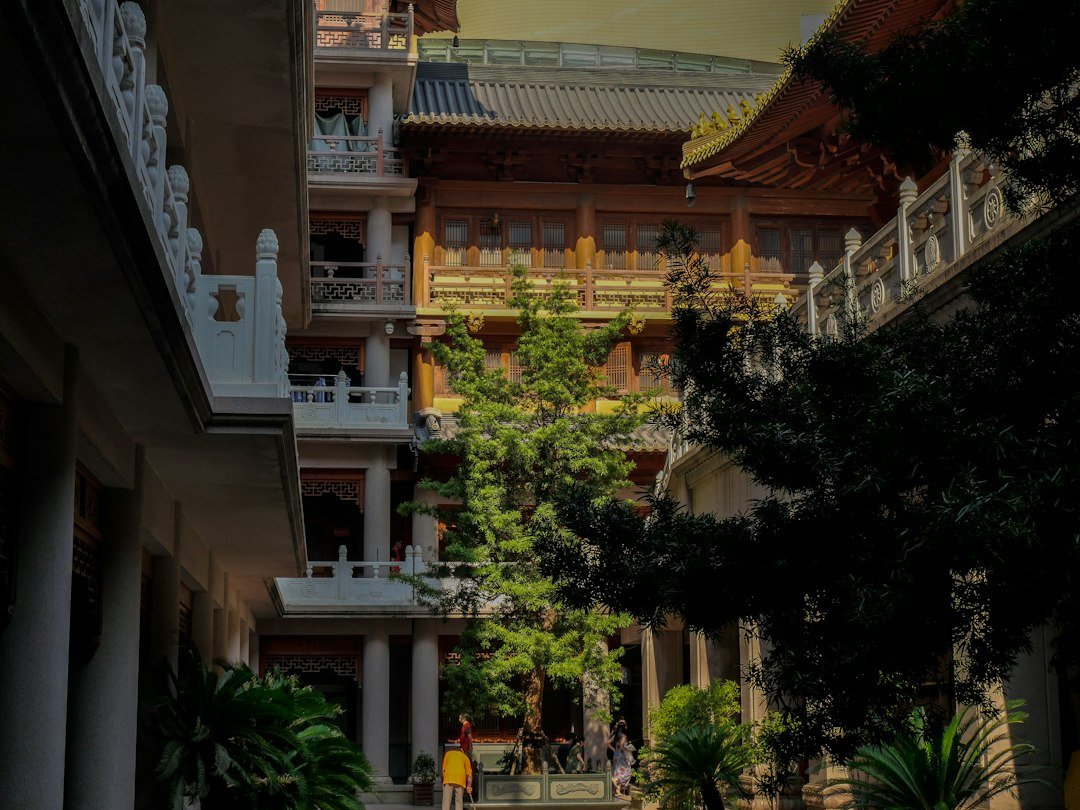
A templestay in Korea is a cultural program run at traditional temples, built around chanting, meditation, tea conversation and Buddhist meals. The official Templestay website also describes it as a chance to live for a short time the way Buddhist practitioners do at a traditional temple. This guide walks through the program types, the booking process, a sample schedule and the rules you’ll be asked to follow.
One thing to flag before anything else: schedules, refund rules and house rules differ from temple to temple, and they can change. This post reflects the official Templestay website as checked on October 16, 2026. Always confirm the details on the program page of the specific temple you plan to book.
What Is a Templestay in Korea?
Each day typically starts in the dark hours before dawn, when a temple bell marks the beginning of the schedule. Participants take part in chanting, meditation, tea ceremonies and temple meals together with other guests.
You are not locked into every activity. According to the official FAQ, you may skip a program if you feel unwell or tired. In that case, rest in your room and simply tell the templestay staff which part of the schedule you’re sitting out.
Three Program Types for a Templestay in Korea
Every templestay in Korea falls into one of three categories, and the length and intensity differ quite a bit between them.
| Type | Length | What It Includes |
|---|---|---|
| One-day Templestay | About 2–3 hours | Temple tour, meditation and tea ceremony; another official page also lists lotus flower making, Cham-Seon meditation and Da-Seon tea with a monk |
| Experience-oriented (1 night, 2 days) | Usually held on weekends | Morning chanting, 108 prostrations, a monastic meal, meditation, walking meditation on forest paths, and optional crafts such as lotus lanterns or prayer beads |
| Rest-oriented (Free-Style / One-Step Pause) | Low-activity, held all year round | Only the Yebul ceremony in the morning and evening, plus eating meals on time; otherwise free for relaxing, meditating and enjoying nature |
Experience-oriented and rest-oriented stays can also be combined into longer visits of more than two days. The maximum varies by temple and often reaches ten days. For anything longer than the standard programs, contact the temple directly or email support@templestay.com.
Key Templestay Terms to Know
A few Korean words show up repeatedly on program pages, so it helps to know them before you book.
- Yebul: the morning and evening ceremony of respect and chanting.
- Baru gongyang: the monastic meal, eaten from bowls, with an emphasis on sharing, cleanliness and avoiding waste.
- Da-Seon / Dado: tea meditation or tea ceremony.
- Cham-Seon: Seon meditation.
- 108 prostrations: a practice listed in the experience-oriented program.
- Sunim: a monk.
- Option pay: the label used for private rooms at some temples, with a per-person fee added (see the rules section below).
How to Book a Templestay in Korea
Booking runs through the official Templestay website. You can filter listings by region (17 areas are listed), by temple, by program type, by group size from 1 to 10 people, by keyword, and by tags like Voucher Available, Check-in only, Temples for Foreigners and SNS Temples. Each listing shows a Reservation link and a Temple Info link.
As one example, the Woljeongsa Relaxing Templestay page outlines these steps for its operating period of October 1 to December 1, 2026:
- Choose a date on the calendar; reservations need to be made at least two days in advance.
- Enter the number of guests by category: adult, teenager, child, pre-school.
- Tick single occupancy if you want it, where offered.
- Check the total and click Reservation. Rooms are pre-assigned at booking and can’t be changed at check-in.
- Pay by bank transfer, using the account details shown on that page.
These steps and conditions come from one temple’s page, and others can differ. Some temples don’t send confirmation letters at all. To check a booking, contact the temple or email support@templestay.com with your name, participation date and temple name — you won’t need a confirmation letter, since each temple keeps its own reservation list. One listing, Jeondeungsa, notes that groups of more than two people should contact them by email directly rather than booking through the standard form.
Sample Schedule and Cancellation Policy
Refund policies also vary by temple. Woljeongsa’s page lists this refund schedule as one example:
| Days Before | Refund |
|---|---|
| 4 days before | 100% |
| 3 days before | 70% |
| 2 days before | 50% |
| 1 day before | No refund |
| On the day | No refund |
Other temples may use different numbers, so read the cancellation policy on the exact program page you’re booking. The official FAQ suggests contacting the temple directly or emailing support@templestay.com, and checking the website calendar first, since some dates aren’t open.
Here’s the Woljeongsa Relaxing Templestay schedule as listed on the official site, which the page itself says may change:
| Time | Activity |
|---|---|
| 15:00–15:30 | Check-in |
| 16:30–17:00 | Temple tour |
| 17:00–18:00 | Temple dinner |
| 18:20–19:00 | Evening Buddhist ceremony (optional) |
| 21:00 | Bedtime |
| 04:20–04:50 | Early morning Buddhist ceremony (optional) |
| 06:30–07:00 | Temple breakfast |
| 07:00–11:00 | Free time (e.g., walking the needle fir forest trail) |
| 11:00–11:30 | Temple lunch |
| 12:00 | Check-out |
The same page notes that early check-in before 15:00 isn’t available because rooms need preparation. Guests should arrive by 16:30 to join dinner, since there’s no check-in or refund after that time, and the templestay office closes at 17:00. Check-out happens between 11:30 and 12:00, after tidying the room. Other temples run different timetables.
Room Rules and Etiquette
Stays are communal by default, and sharing a room with other guests is expected under the official FAQ. Some temples offer private rooms for two to four people under an Option pay label, with a fee added per person, though no amount is listed here. Men and women are not placed in the same room, so couples cannot share a room during their stay.
Woljeongsa’s house rules, shown as one temple’s example, cover the kind of etiquette you’ll likely meet elsewhere too:
- All listed activities are optional.
- Guests under 19 and over 75 must be accompanied by a guardian.
- Children under 5 are not permitted, even with a guardian.
- Smoking and alcohol are prohibited.
- Avoid walking around the grounds after 21:00.
- Bare feet are not allowed inside the temple.
- The temple is not a hotel and has no 24-hour front desk.
- If arriving by car, contact the temple in advance for parking information.
What to Pack for a Templestay
Official pages ask guests to bring their own towels, toiletries, underwear, socks, a change of clothes and a hair dryer. Most temples provide only soap, toothpaste and a temple uniform of vest and pants. In winter, pack warm layers like a jacket, sweater or pullover, since mountain temples can get quite cold.
Woljeongsa’s page gives one concrete example of what’s provided versus what to bring:
- Provided: uniform, soap, toothpaste and a hair dryer.
- Bring: toiletries including a towel, a personal water bottle, socks, sneakers and personal clothing.
- Not allowed: slippers or flip-flops.
Choosing a Temple for Your Templestay in Korea
The official FAQ groups temples by what’s nearby or what they’re known for, without ranking any of them.
- Near Seoul by bus or subway: Bongeunsa, Geumsunsa, Hwagyesa, Jinkwansa, Jogyesa, Myogaksa and the International Seon Center. If you’re commuting to one of these, a T-money card covers buses and subways around the city.
- Trees and mountains: Woljeongsa, Jikjisa, Naesosa.
- Scenic settings: Naksansa (mountains and sea), Mihwangsa (sea and island views), Magoksa (forest and rivers), Guinsa (mountain ridges), Jeondeungsa (Ganghwa Island). Yongjoosa is described as especially peaceful.
- Temple food: Baekyangsa hosts a cooking program led by Jeongkwan; Jinkwansa, staffed only by nuns, is known for temple cuisine; Bongsunsa offers lunch of rice steamed in lotus leaves.
- Active experiences: Golgulsa is the only temple that teaches Sunmudo, an active meditation combining breath and movement. Its listed programs include a Special Weekend Templestay (two days, one night, check-in every Friday or Saturday by 14:30) and a Relaxation Templestay, running 365 days a year from its Gyeongju location.
- Meditation: the International Seon Center teaches Ganhwa Seon; the Lotus Lantern International Meditation Center is open to non-Koreans and offers a monthly intensive course of three nights and four days.
- Near hiking trails: Seonunsa, Hwaeomsa, Seoraksan Sinheungsa, Donghwasa, Yakchunsa, Beomeosa and Geumsansa.
- UNESCO World Heritage temples: nine temples hold this status; Beopjusa, Bulguksa, Magoksa and Haeinsa offer English programs for foreign visitors.
- One-day option: BONG-PASS at Bongeunsa in Seoul, held every Tuesday from 10:00 to 16:00 according to the program list.
Use the Temples for Foreigners tag on the program list if English support matters to your choice.
Frequently Asked Questions
Do I need to bring a confirmation letter? No — each temple keeps its own reservation list, so you don’t need to bring one.
Can I skip activities? Yes. If you feel unwell or tired, rest in your room and tell staff which programs you’re skipping.
Can couples share a room? No. Men and women aren’t placed in the same room, so couples stay separately.
How long can I stay? Programs range from a few hours to one night, two days; some temples allow longer stays, such as Woljeongsa’s 1 to 5 nights. Combined stays can run longer, with a maximum that varies by temple and often reaches ten days.
Who do I contact to change or cancel a booking? Contact the temple directly, or email support@templestay.com, and check the cancellation policy on that program’s page first.
This guide was compiled from the official Templestay website on October 16, 2026. Programs, schedules, refund rules and house rules differ by temple and can change, so confirm the details on the program page before you book. For contact: Templestay Center, 4F, 56 Ujeongguk-ro, Jongno-gu, Seoul; phone 02-2031-2000; email support@templestay.com.
https://www.templestay.com/en/MI000000000000000020/html/view.do , https://eng.templestay.com/board-faq.asp , https://eng.templestay.com/page-templestay-type.asp
Photo by Sacha Canivet on Unsplash