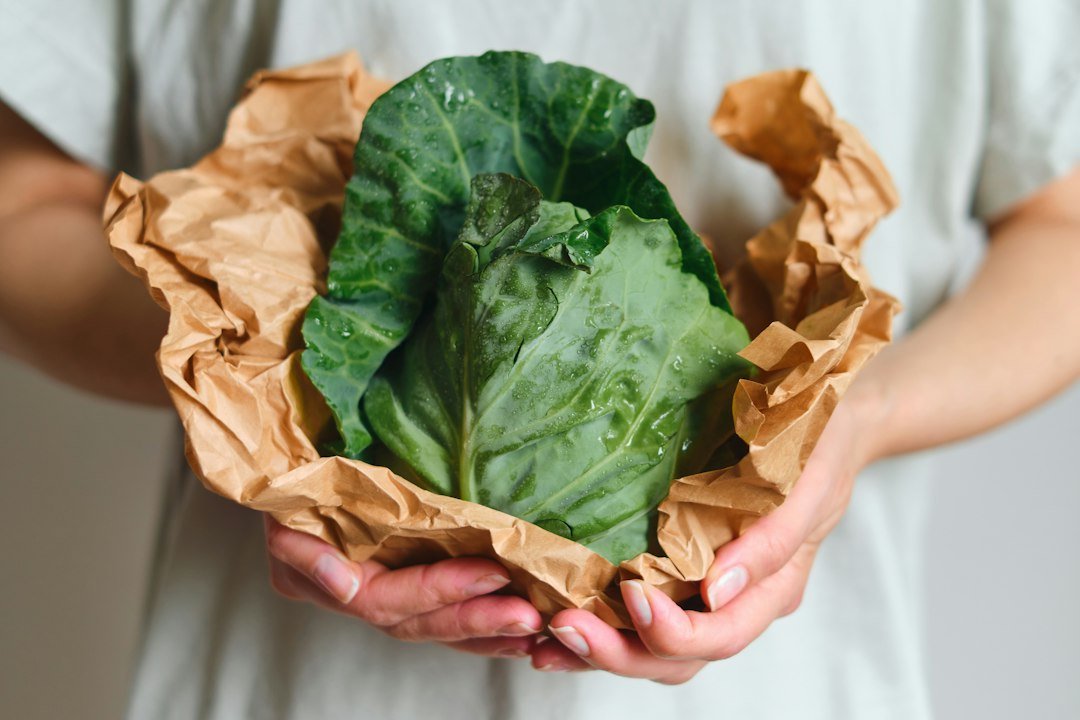
Every late autumn, many Korean households make kimchi in large batches for the long winter. This tradition is called kimjang, and UNESCO added it to its Representative List of the Intangible Cultural Heritage of Humanity in 2013. In many households, a pot of boiled pork joins the table that day. That dish is the star of this post: kimjang bossam.
What Is Kimjang?
Kimjang is the making and sharing of kimchi in large quantities, a community tradition. UNESCO describes it as a late-autumn custom that helps households have enough kimchi for the long winter. According to Korea JoongAng Daily, kimjang usually takes place between November and December.
- Kimjang centers on making baechu kimchi, a napa cabbage kimchi.
- It is traditionally a group activity rather than a solo kitchen task.
Great British Chefs describes kimjang as the day when Korean families make a large batch of baechu kimchi together, and notes that it is traditional afterward to drink makgeolli, a milky rice wine, while eating suyuk and fresh kimchi. That “afterward” meal is where kimjang bossam comes in.
Suyuk and Bossam: Two Different Words for the Same Table
Suyuk and bossam are closely related, but they are not quite the same thing. Getting this straight makes the rest of kimjang day easier to follow.
Suyuk is the boiled pork itself, typically shoulder or belly cut into slices. Bossam, according to SBS Food, refers to the way that meat is eaten: wrapped in a salted cabbage leaf or lettuce leaf, rather than the meat on its own.
- Suyuk = the boiled pork.
- Bossam = the act of wrapping that pork (plus kimchi) in a leaf before eating it.
- Korea’s government media outlet KOCIS notes that bossam once referred to a Gaeseong-style kimchi dish, but the word is now commonly used for kimchi served together with boiled pork.
So when people talk about “eating bossam” on kimjang day, they usually mean taking a piece of suyuk, adding a bit of freshly made kimchi, and wrapping both in a cabbage leaf. KOCIS describes this exact combination: a slice of pork and fresh kimchi wrapped together in a salted napa cabbage leaf.
Why Pork Shows Up on Kimjang Day
It’s a fair question: why boiled pork, specifically, on a day that is all about cabbage kimchi? Herald Business, a Korean press outlet, reported in October 2025 that suyuk is a dish that regularly appears when people gather for kimjang. The article also cited a Korean kimchi master who lists suyuk alongside kimjang kimchi among her recommended food pairings.
One Korean food writer explains the practical reason behind this. On kimjang day, the salted cabbage and seasoned radish are already being prepared as part of the kimchi-making process itself. That means only the pork needs to be boiled.
- Customs can vary by region and by family, and no single source covers every regional difference.
- Kimjang bossam should not be assumed to be the only food served on kimjang day, just a common one.
How Kimjang Bossam Is Eaten
The pork is served with fresh kimchi, called baechu-geotjeori, made that same day.
The eating method follows a simple pattern: take a salted napa cabbage leaf, add a slice of suyuk, top it with a bit of fresh kimchi, and wrap it up before eating. Wrapping meat in a leaf before eating it is a habit that shows up elsewhere in Korean dining too, and if you want the fuller picture of how leaf-wrapping works at the grill, our Korean BBQ etiquette guide covers it in more detail.
- The wrapping leaf is typically a salted napa cabbage leaf.
- Lettuce can also be used as the wrapping leaf, per SBS Food.
- Great British Chefs mentions makgeolli as a traditional drink to go with this meal.
| What | What it is |
|---|---|
| Kimjang kimchi | Large batch of baechu (napa cabbage) kimchi made and shared on kimjang day |
| Suyuk | Boiled pork, usually shoulder or belly, served in sliced pieces |
| Bossam | The way suyuk is eaten: wrapped with fresh kimchi in a salted cabbage or lettuce leaf |
Where to Learn More: Museum Kimchikan
For a deeper look at kimjang culture, Museum Kimchikan in Insa-dong, Seoul, is dedicated to kimchi and kimjang traditions. According to its official English site, the museum is open Tuesday to Sunday from 10:00 to 18:00, with last admission at 17:30.
It is closed on Mondays, January 1, Lunar New Year holidays, Chuseok holidays, and Christmas Day. The museum’s English site also features an online exhibition called “Essential Guide to Kimjang.” Programs, prices, and English-language availability can change, so check the official site or contact the museum directly before planning a visit.
Kimjang bossam isn’t a fixed recipe with one correct way of doing things. It’s a custom that bends to whatever each family or region has always done around their kimchi tubs, and that variation is part of what makes it worth experiencing firsthand.
Photo by Iuliia Pilipeichenko on Unsplash